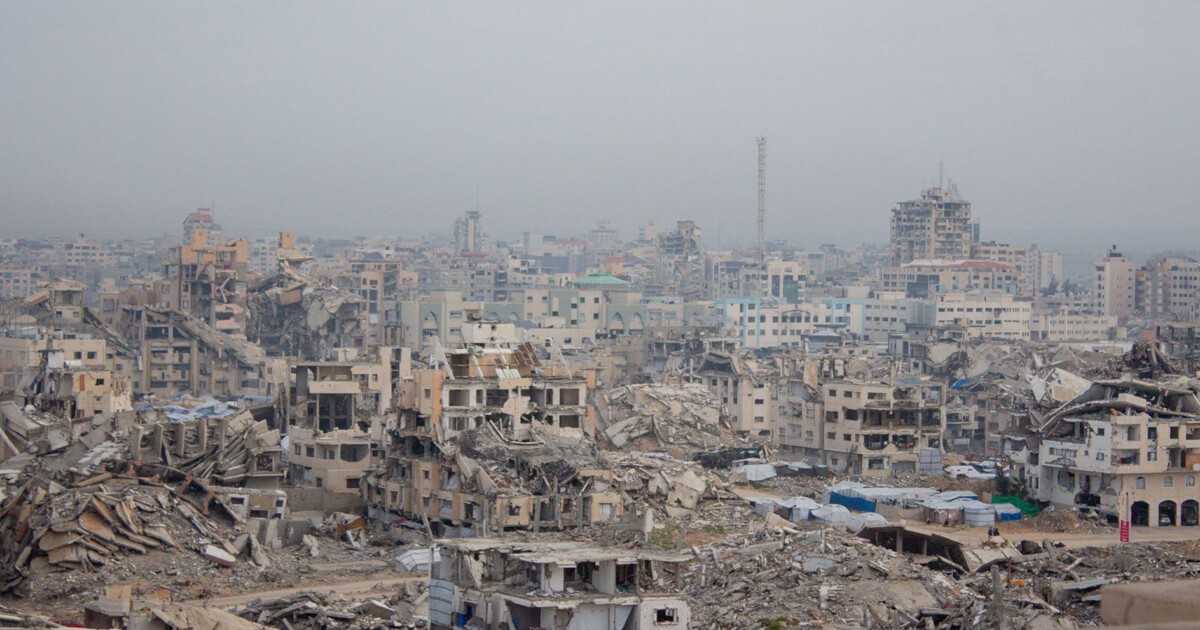
The systematic dismantling of the Gaza Strip has moved beyond the strategic destruction of individual targets to a wholesale transformation of the environment. Cities, refugee camps, and the essential networks of civic life—schools, universities, and hospitals—have been reduced to rubble. This is not merely the erasure of architecture; it is the dissolution of the "lived-in landscape," a concept that encompasses the social and physical fabric of a society.
The environmental impact is equally profound. The soil itself has been rendered toxic by a relentless accumulation of bombs, artillery shells, and chemical residues. Agriculture and water systems, the literal lifelines of the territory, have been compromised to the point of failure. What remains is a landscape where the basic requirements for human biological and social existence are being systematically unmade.
This process reflects a grim realization of what former Israeli general Giora Eiland described as a place "where no human being can exist." By targeting the very ground upon which a society stands, the conflict is producing a territory that may remain uninhabitable long after the kinetic violence ends. It is an architecture of erasure that leaves behind a legacy of dust and toxicity.
With reporting from London Review of Books.
Source · London Review of Books