The "gaming chair" was once a loud, niche aesthetic defined by racing stripes and synthetic leather — a product marketed almost exclusively to competitive gamers and streamers. Today, it has matured into something closer to a functional necessity for the hybrid workforce. As the home office becomes a permanent site of both professional output and digital recreation, the demand for seating that can withstand extended cycles of focus and relaxation has driven a quiet but meaningful evolution in how specialized furniture is designed, marketed, and understood.
From Subculture to Infrastructure
The trajectory of the gaming chair mirrors a broader pattern in consumer technology: products born in enthusiast subcultures gradually migrate into the mainstream as the behaviors they support become universal. The same arc played out with mechanical keyboards, high-refresh-rate monitors, and noise-canceling headsets — all initially positioned for gamers, all now standard equipment in knowledge-work environments. The underlying driver is the same in each case: the average duration of a seated digital session has expanded well beyond what conventional office furniture was designed to accommodate.
Traditional office chairs were engineered for an eight-hour workday punctuated by meetings, lunch breaks, and commutes. The hybrid-remote reality that consolidated after 2020 introduced a different usage profile — one in which the same seat serves for morning video calls, afternoon deep work, and evening entertainment. This blurring of labor and leisure into a single continuous session has created a market opening for chairs that prioritize endurance, adjustability, and thermal comfort over the narrow ergonomic assumptions of the twentieth-century cubicle.
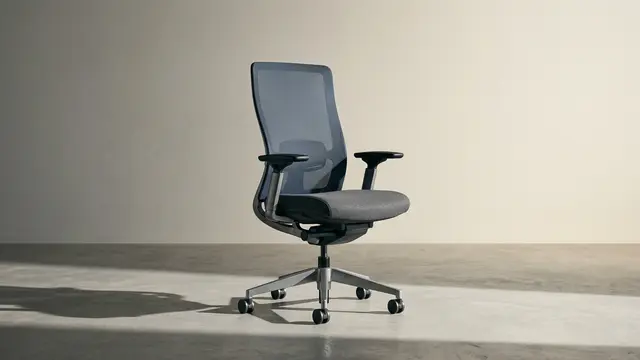
Current market offerings reflect this shift toward versatile ergonomics. Models like the ThunderX3 TGC12 prioritize structural durability, catering to users who view their workstations as high-performance environments. Meanwhile, ergonomic designs featuring integrated footrests — available in minimalist whites or more expressive palettes — acknowledge that the modern desk is no longer just for upright tasks, but for the fluid transitions between intensive labor and passive consumption. The footrest, once an afterthought or a separate accessory, signals a design philosophy that treats reclined postures as legitimate working positions rather than signs of inattention.
Material Science Meets Daily Endurance
Material innovation is playing a larger role in the design of these interfaces. The Python Fly, for instance, utilizes breathable fabrics instead of traditional faux leather, addressing the thermal challenges of long-duration sessions. This pivot toward textile-based breathability and adjustable flexibility suggests a more sophisticated understanding of human physiology in the digital age, where the chair is treated less like furniture and more like a critical component of the user's workflow.
The shift from synthetic leather to mesh and woven textiles echoes developments in the premium office-chair segment, where manufacturers like Herman Miller and Steelcase moved toward breathable materials decades ago. What is notable is that the gaming-chair category is now converging on similar conclusions through a different route — driven not by corporate procurement standards but by direct consumer feedback from users who spend the longest continuous hours seated. The result is a category that increasingly borrows engineering logic from ergonomic research while retaining the aesthetic identity and price accessibility that made gaming chairs popular in the first place.
The broader question is whether these two product categories — the traditional ergonomic office chair and the gaming-derived endurance seat — will continue to converge or maintain distinct identities. Premium office furniture carries institutional credibility and decades of biomechanical research. Gaming chairs carry cultural relevance and a direct relationship with the consumers who stress-test them hardest. The tension between those two lineages may determine what the default chair of the next decade's home office actually looks like — and which set of design assumptions wins the right to define comfort for the long session.
With reporting from Olhar Digital.
Source · Olhar Digital