The home office, once an afterthought furnished with whatever chair happened to be available, has become a primary workspace for a significant share of the global workforce. With that shift, the equipment that supports prolonged screen time has moved from peripheral concern to central investment. Among the most visible beneficiaries of this transition is the gaming chair — a product category born in the enthusiast periphery that now competes directly with traditional ergonomic office furniture for the attention and budgets of remote professionals.
Recent retail listings across major platforms reflect a market in active expansion, with a growing roster of models targeting not just gamers but anyone who spends eight to twelve hours seated. The product landscape now spans a wide range of price points, materials, and design philosophies, suggesting that the category has moved well past its novelty phase and into a period of genuine maturation.
From Niche Accessory to Ergonomic Infrastructure
The gaming chair's origins lie in the racing-seat aesthetic popularized by esports in the early 2010s. The initial appeal was largely visual — bold colors, aggressive contours, a signifier of identity more than a solution to a physical problem. But as remote work became a structural feature of the labor market rather than a temporary arrangement, the demands placed on seating changed. Chairs needed to support not a two-hour gaming session but an entire workday, often followed by evening leisure at the same desk.
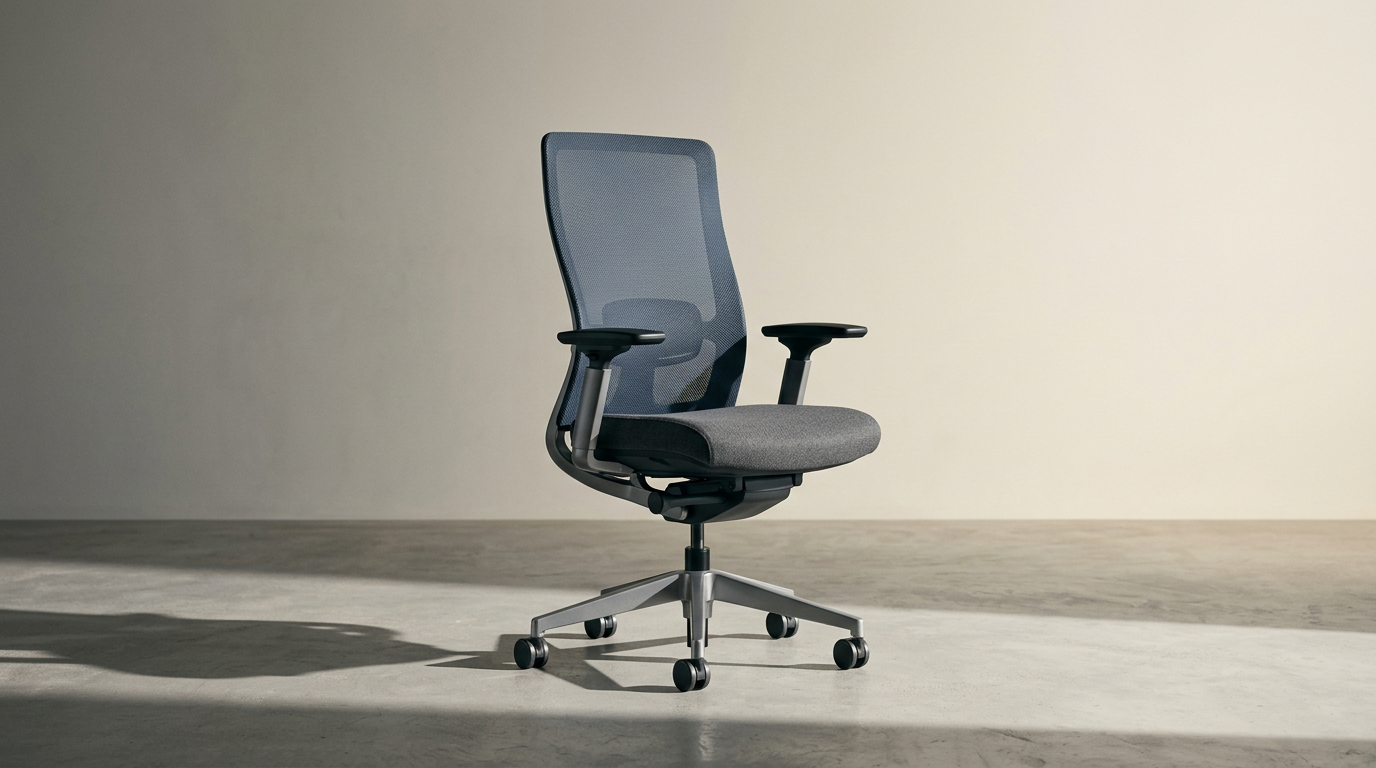
This functional pressure has driven meaningful design evolution. Models now emphasize thermal regulation through breathable mesh and fabric blends, addressing the discomfort that synthetic leather — long the default material in the category — tends to produce over extended use. Brands like Python Fly have leaned into eco-friendly materials and airflow-oriented construction, while established names such as ThunderX3 continue to refine the high-back, heavily bolstered silhouette that became the category's signature. Lumbar support systems, adjustable armrests, and integrated footrests have shifted from premium differentiators to expected features across a broadening price spectrum.
The aesthetic range has widened in parallel. Where the market once defaulted to black-and-red racing livery, current offerings include minimalist white, muted tones suited to professional video calls, and vibrant options that cater to personal expression. The visual diversification signals a customer base that no longer fits a single demographic profile.
The Accessibility Question
Design sophistication matters little if the products remain out of reach. A notable feature of the current market cycle is the frequency of significant discounts on major retail platforms, a pattern consistent with a category entering a more competitive, volume-driven phase. When multiple manufacturers offer comparable ergonomic features, price becomes a sharper differentiator, and consumers benefit from the resulting pressure.
This dynamic mirrors what happened in adjacent categories. The standing desk market, for instance, moved from premium pricing to broad accessibility over roughly five years as competition intensified and manufacturing scaled. Gaming chairs appear to be on a similar trajectory, with the added tailwind of a remote-work infrastructure that shows no sign of contracting.
The broader question is whether the gaming chair will ultimately converge with — or displace — the traditional ergonomic office chair. The two categories increasingly share core engineering principles: adjustable lumbar support, seat-depth customization, tilt mechanisms calibrated for sustained use. What separates them is largely branding, aesthetics, and distribution channels. Whether those distinctions hold as the customer base continues to overlap remains an open tension in the furniture market.
For the individual making a purchasing decision, the calculus is straightforward in principle but personal in practice. The chair is the primary physical interface between the human body and the digital workspace. Its selection is, in effect, a hardware decision — one that compounds over thousands of hours of use. The market now offers more options at more price points than at any previous moment. What it does not yet offer is a consensus on what "good enough" looks like for the average remote worker, a gap that both manufacturers and consumers are still negotiating in real time.
With reporting from Olhar Digital.
Source · Olhar Digital