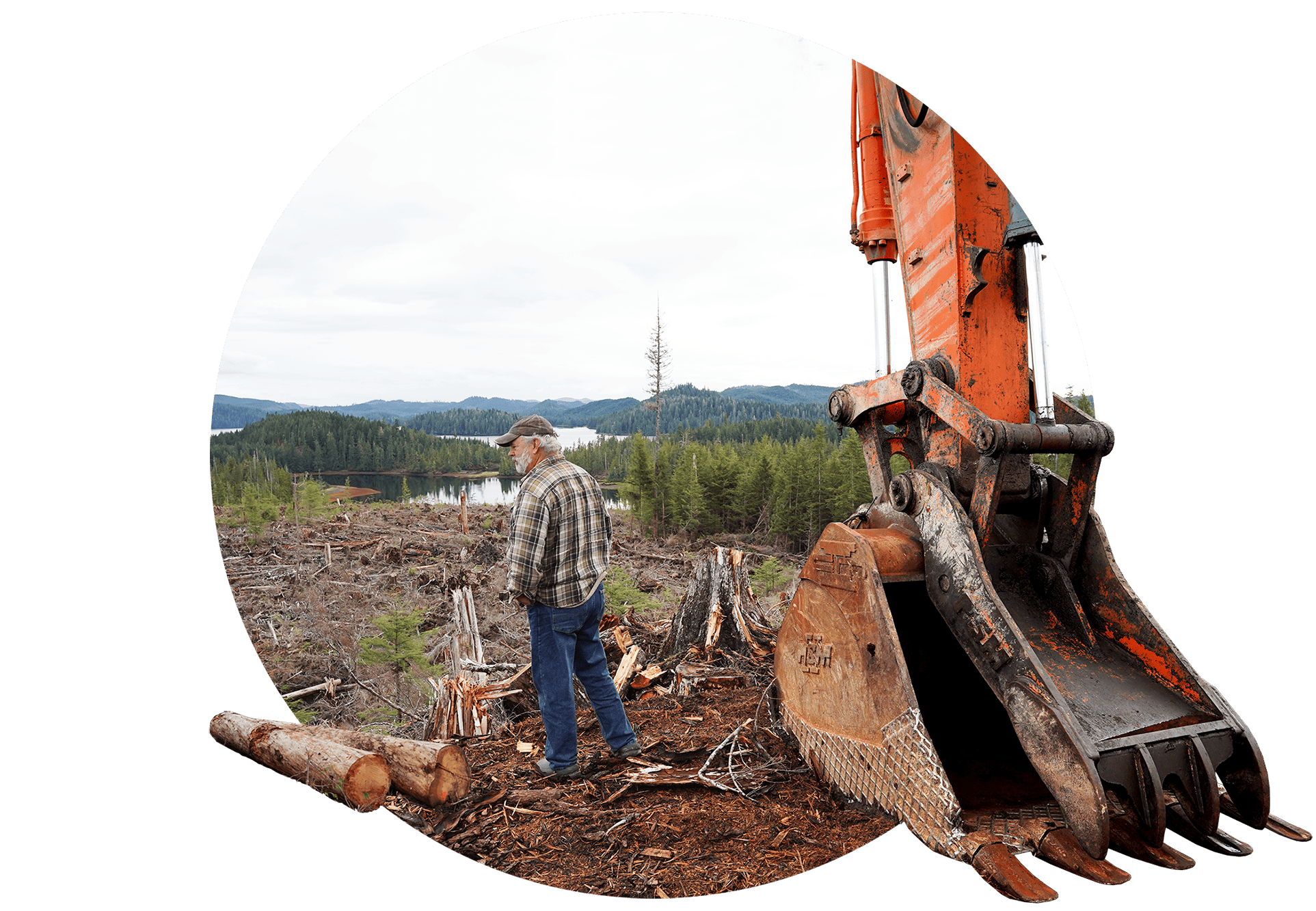
In 2001, the U.S. Forest Service codified a realization that was as much about fiscal pragmatism as it was about ecology: the agency had built more roads than it could afford to maintain. The resulting Roadless Area Conservation Rule effectively froze development across nearly 60 million acres of national forest, preventing new road construction and logging in the country’s most pristine remaining wildlands. While often associated with the sweeping vistas of the American West, the rule also protects vital, fragmented patches of forest across the densely developed East.
These eastern woodlands serve as essential carbon sinks and biodiversity corridors in a region defined by urban sprawl. However, the Trump administration has moved to dismantle these protections, arguing that the restrictions hamper the Forest Service’s ability to manage wildfire risks and maintain land access. By opening these areas to logging and mining, the administration seeks to reclassify these lands as active industrial resources rather than protected ecological preserves.
The debate highlights a fundamental tension in land management: the balance between industrial utility and the preservation of "roadless" integrity. For conservationists, the removal of the rule represents more than just a policy shift; it is an invitation to fragment the last remaining buffers against environmental degradation in the East. As the Department of Agriculture pushes for more flexible land use, the future of these forests—and the water quality and habitats they sustain—remains precarious.
With reporting from Grist.
Source · Grist


