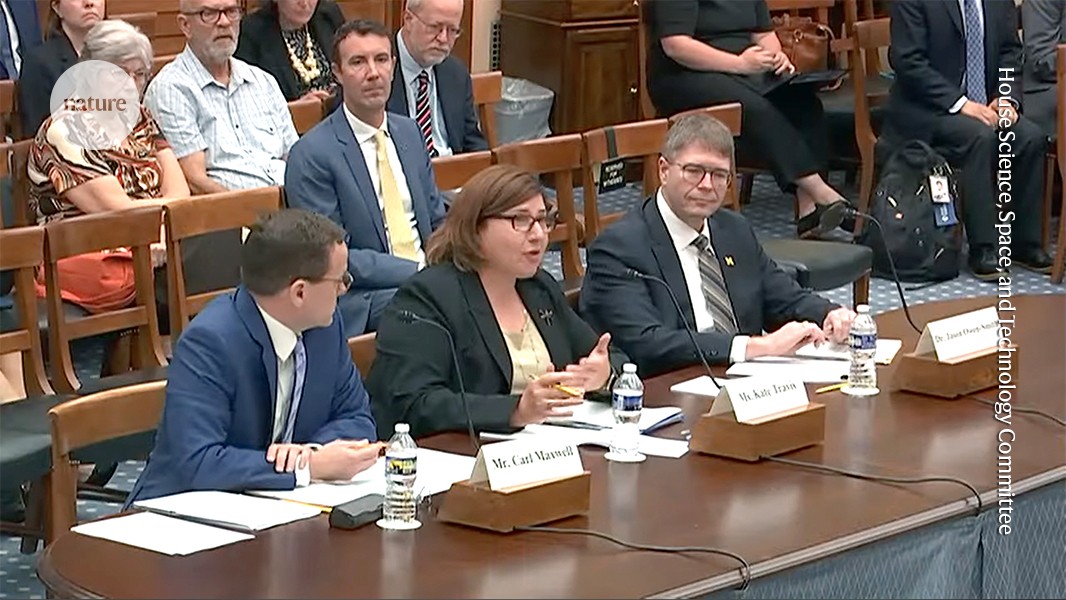
The machinery of academic publishing, long a quiet engine of progress, is now facing a public audit. A recent congressional hearing brought to the fore deep-seated anxieties about the reliability of the scientific record and the economic structures that support it. At the heart of the discussion is the proliferation of "paper mills"—entities that churn out fraudulent or low-quality manuscripts to meet the relentless demand for publication metrics.
Beyond the threat of fraud, lawmakers tackled the complex economics of open-access publishing. While the push to make research freely available to the public is philosophically sound, the transition has birthed a new set of financial hurdles. The "author-pays" model, intended to democratize reading, has instead created a barrier for researchers who lack the institutional funding to cover high processing fees, potentially narrowing the field of scientific inquiry.
Despite the bipartisan recognition that the current system is under strain, the hearing revealed a stark lack of agreement on how to fix it. Proposals range from stricter oversight of journal quality to more radical shifts in how research is funded and disseminated. For now, the scientific community remains in a state of uneasy tension, caught between the traditional prestige of legacy journals and the urgent need for a more transparent, equitable ecosystem.
With reporting from Nature News.
Source · Nature News