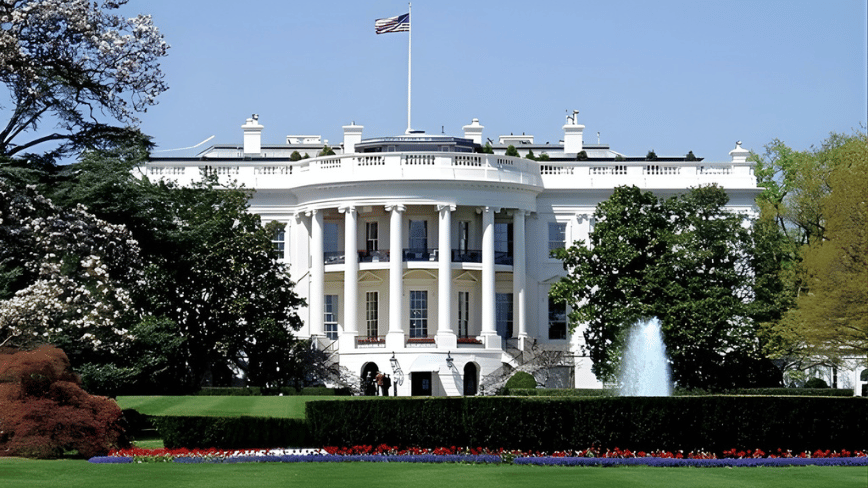
The Trump administration has launched a concentrated effort to centralize the governance of artificial intelligence, viewing the current wave of state-level oversight as a potential hurdle to American competitiveness. This strategy involves a multi-pronged approach: a Department of Justice task force dedicated to litigation, and a Commerce Department mandate to evaluate state laws deemed "burdensome." The ultimate goal is to persuade Congress to pass a "minimally burdensome national standard" that would effectively preempt local regulations.
This push for federal preemption aims to solve the "patchwork" problem—a scenario where technology companies must navigate dozens of different sets of rules on algorithmic bias, data privacy, and safety. By establishing a national ceiling rather than a floor, the administration seeks to create a predictable environment for developers. However, the move faces significant friction from both state legislatures and members of Congress who view local oversight as a necessary safeguard against immediate, localized risks.
The momentum on the ground suggests a widening gap between federal ambition and state action. While Washington debates a light-touch framework, state lawmakers have accelerated in the opposite direction, moving forward with over 1,200 bills and regulatory actions related to AI. This legislative surge reflects a growing consensus at the state level that the risks of automation—from deepfakes to hiring discrimination—require more granular and rapid intervention than a singular federal standard might provide.
With reporting from The Next Web.
Source · The Next Web