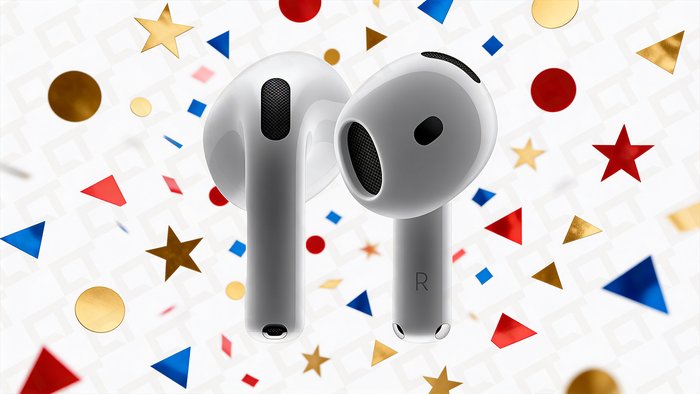
When Apple debuted the AirPods in 2016, the reception was characterized more by skepticism than awe. Critics mocked their aesthetic—likening them to severed toothbrush heads—and questioned the wisdom of a design so seemingly easy to lose. Yet, in the years since, the AirPods have transcended their status as a mere accessory to become a cultural and financial juggernaut, generating billions in revenue and reshaping the consumer electronics landscape.
The foundation of this success was not just the removal of wires, but the removal of friction. By developing proprietary silicon—starting with the W1 chip and evolving through the H1 and H2—Apple bypassed the notoriously clunky pairing process of traditional Bluetooth. This allowed for near-instant connectivity and seamless switching between devices within the Apple ecosystem. The hardware was designed to feel less like a peripheral and more like a natural extension of the primary device.
Beyond connectivity, the AirPods introduced a level of automation that redefined user expectations. Integrated optical sensors and accelerometers enabled the device to understand its environment: music pauses when a bud is removed and resumes when replaced. As the product line matured to include active noise cancellation and spatial audio, Apple began repositioning the earbuds as sophisticated wearables. Today, the focus has shifted toward health and utility, turning what was once a controversial design experiment into a cornerstone of modern personal computing.
With reporting from Canaltech.
Source · Canaltech