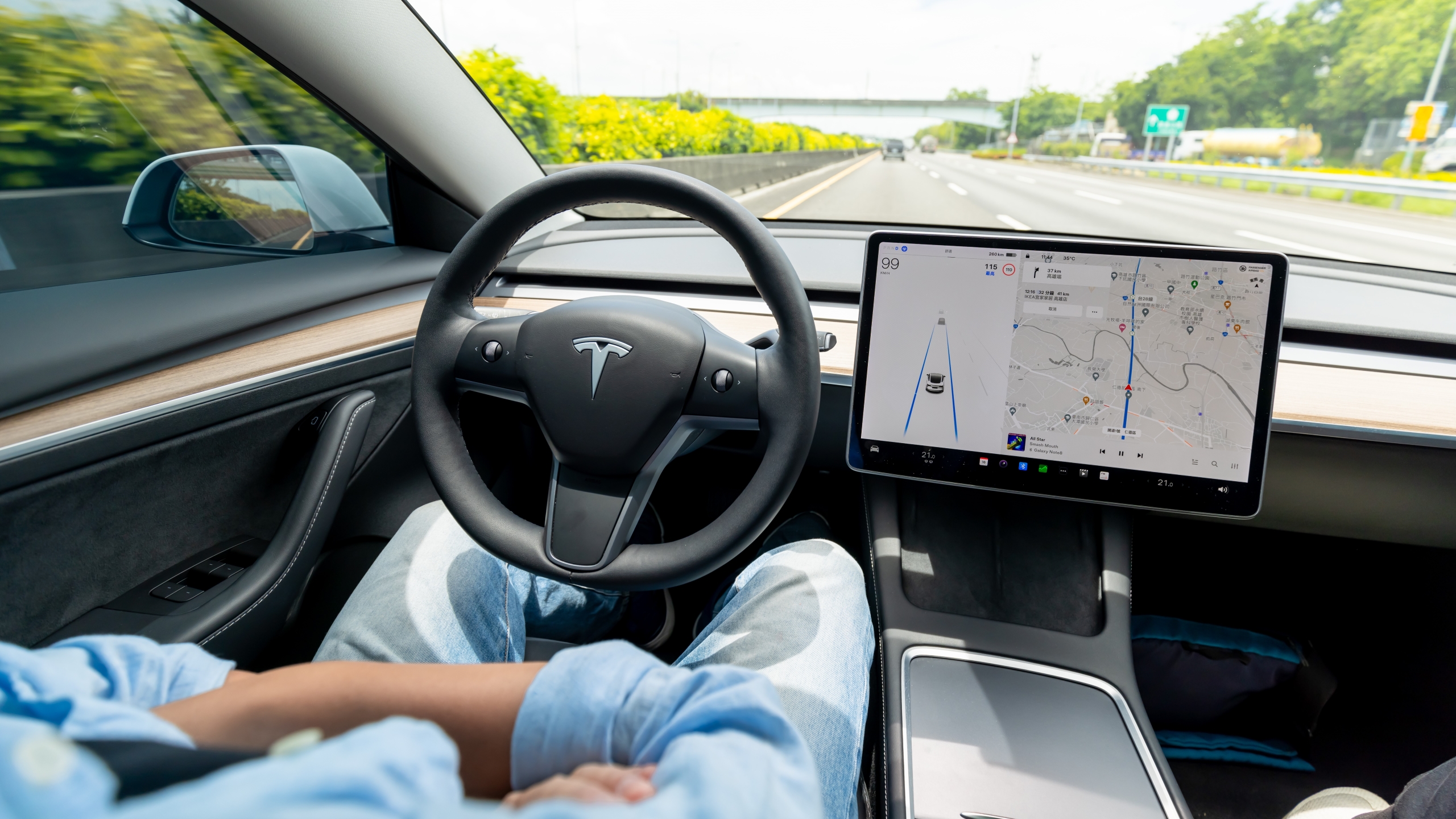
Tesla has long treated its vehicles more like software platforms than traditional hardware, and its latest update to the Full Self-Driving (FSD) interface reinforces this ethos. A new dedicated app not only streamlines the subscription process for the controversial driver-assistance suite but also introduces a \"streaks\" feature. By tracking how many consecutive days or trips a driver engages the system, Tesla is applying the behavioral incentives of social media and language-learning apps to the act of operating a vehicle.
The move is quintessentially Tesla—a blend of consumer tech culture and industrial engineering. Beyond mere engagement, these streaks serve a functional purpose for the company: the more frequently owners use FSD, the more data Tesla collects to train its neural networks. By gamifying the experience, the company is effectively incentivizing its customer base to act as a massive, distributed fleet of beta testers, turning routine commutes into data-harvesting sessions.
This shift toward a utility-plus model of autonomous driving is mirrored elsewhere in the industry. Alphabet’s Waymo, for instance, has begun a secondary mission of alerting city municipalities to potholes detected by its sensors during routine trips. As vehicles become increasingly sensor-rich and software-defined, the primary task of getting from point A to point B is being augmented by secondary layers of data collection and digital feedback loops.
With reporting from *The Drive*.
Source · The Drive