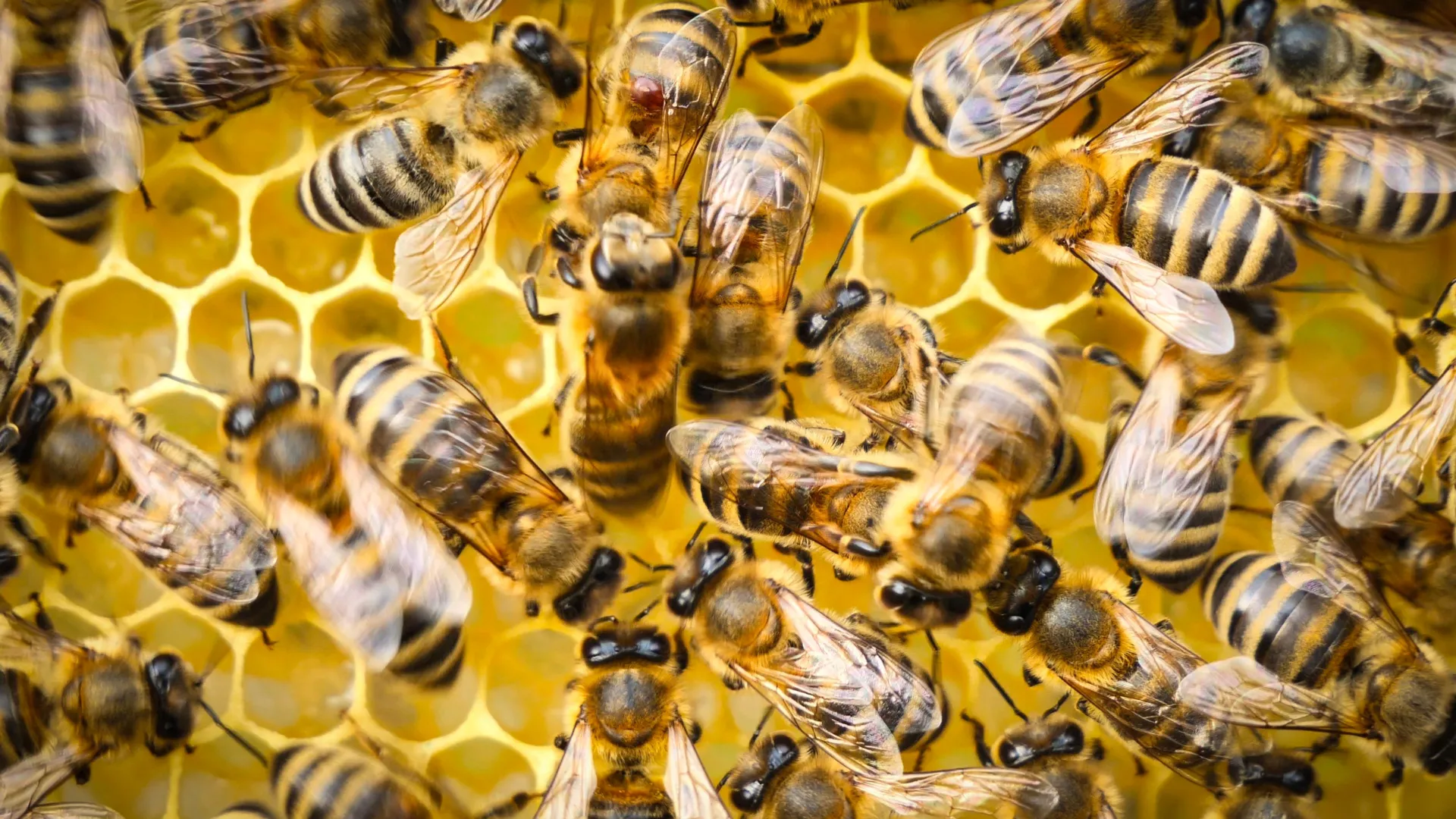
For decades, the *Varroa destructor* mite has been the primary antagonist of North American apiculture, a parasite capable of hollowing out entire colonies and forcing beekeepers into a cycle of chemical dependency. Across the United States, colony loss remains a persistent threat to both the honey industry and the broader agricultural systems that rely on pollination. Yet, in the feral landscapes of Southern California, a specific hybrid honeybee is quietly rewriting the narrative of collapse.
These bees are not a product of a controlled laboratory, but rather a robust mixture of diverse and feral lineages that have adapted to their local environment over time. Researchers have found that these colonies are thriving where others fail, maintaining significantly lower mite loads without the need for miticides or other chemical treatments. The resilience of these bees suggests that genetic diversity, rather than isolated breeding for specific commercial traits, may be the most effective shield against parasitic pressure.
Perhaps most striking is that this defense begins in the hive’s earliest stages. The larvae of these Southern California hybrids appear to be naturally less attractive to Varroa mites, effectively disrupting the parasite’s reproductive cycle before it can gain a foothold in the colony. By shifting the scientific focus from treating the adult population to understanding the biological cues of the brood, researchers may have found a sustainable path forward for a species that underpins the stability of the global food supply.
With reporting from Science Daily.
Source · Science Daily