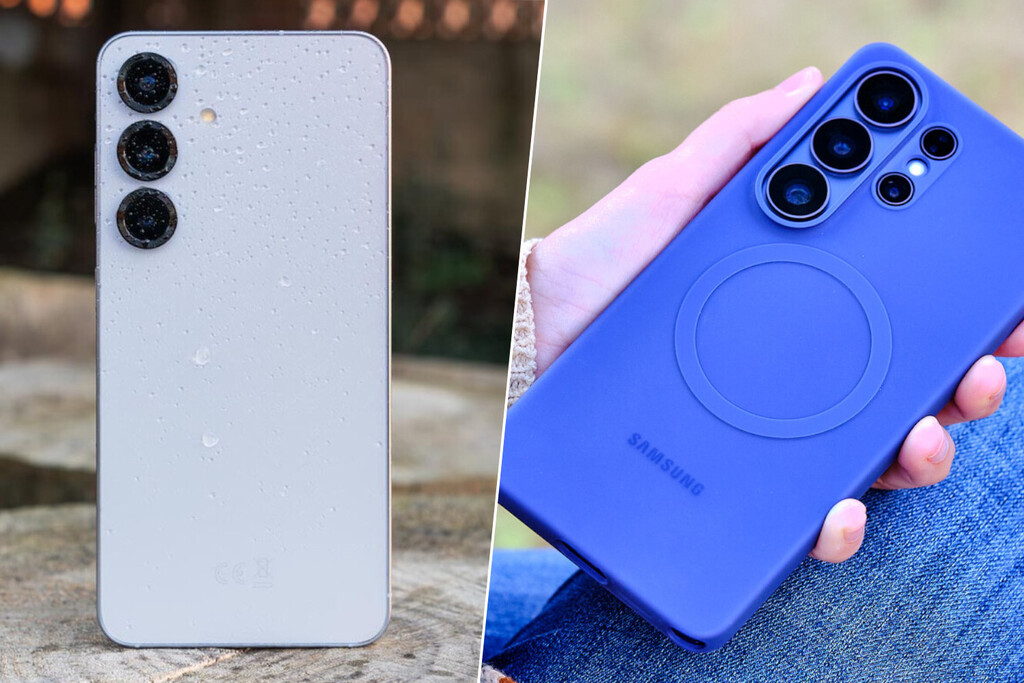
Samsung’s recent product cycle reveals a brand leaning into the commoditization of high-end hardware. By 2026, features once reserved for the flagship S-series—specifically AMOLED panels and high-refresh-rate displays—have become the baseline for the company’s more accessible offerings. This strategy suggests a shift in focus from pure spec-chasing to a more nuanced segmentation of the global consumer market.
At the entry-level, the Galaxy A17 exemplifies this democratization. Priced under €200, it pairs an AMOLED screen with a 90Hz refresh rate, providing a visual fluidity that was a luxury only a few years ago. Interestingly, the device retains a microSD slot—a feature that has largely vanished from the premium market—positioning the entry-level tier as a refuge for users who prioritize local storage and physical flexibility over the sleek, sealed enclosures of the high-end.
Moving into the mid-range, the Galaxy A26 and A36 offer more iterative refinements. The A26 introduces a 120Hz display and expanded RAM, bridging the gap between basic utility and the smoother performance required for modern multitasking. While the A36 represents a more conservative evolution, the collective lineup demonstrates Samsung’s ability to maintain a dominant presence in the mid-market by ensuring that even its most affordable devices feel fundamentally contemporary.
With reporting from Xataka.
Source · Xataka