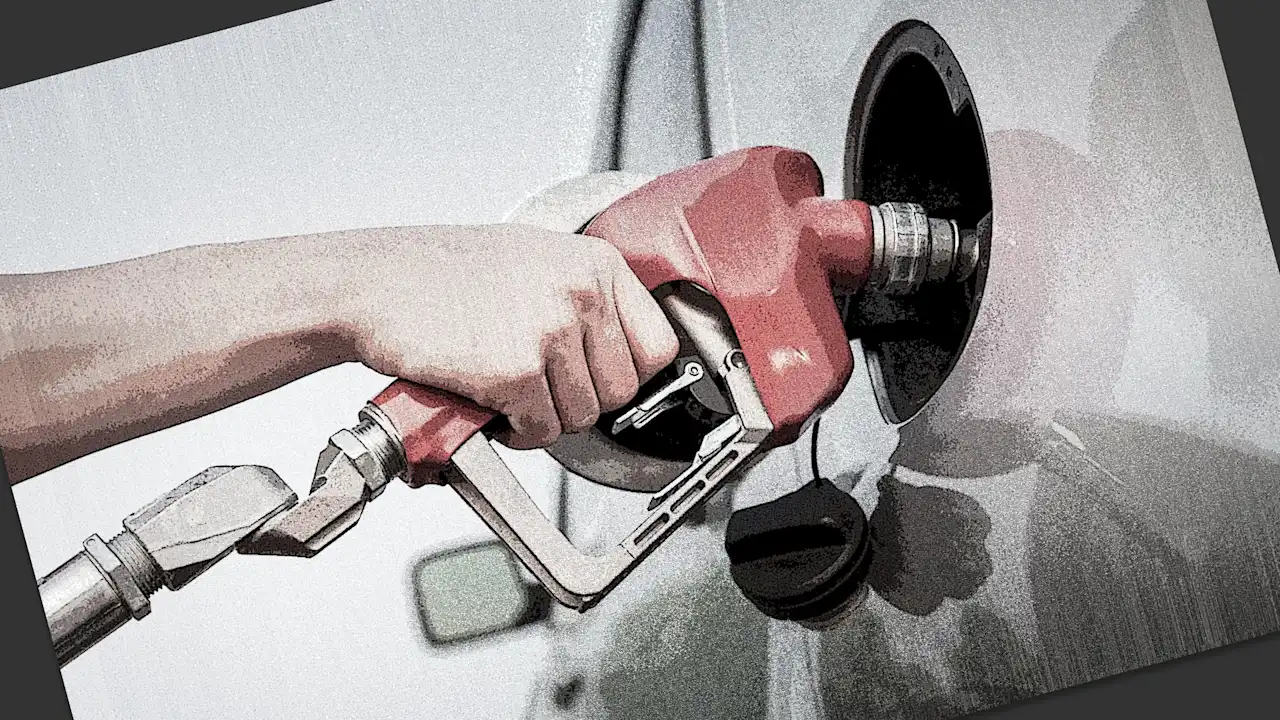
The three-dollar gallon of gasoline has long functioned as a psychological and political barometer in American life. For the Trump administration, returning to this threshold—and eventually the $2 mark promised on the campaign trail—is a central pillar of its economic narrative. However, recent internal friction suggests that the timeline for this relief remains tethered more to volatile geopolitical shifts than to immediate executive mandates.
Energy Secretary Chris Wright recently offered a sober assessment, suggesting on CNN’s *State of the Union* that gas prices might not dip below $3 until 2027. President Trump was quick to dismiss this conservative estimate, labeling Wright “totally wrong” and asserting that prices would fall as soon as the conflict with Iran concludes. While both men agree that a resolution to Middle Eastern hostilities is the primary catalyst for lower costs, the lack of a clear diplomatic or military timeline leaves the administration’s energy goals in a state of suspended animation.
The physical reality of the oil market remains centered on the Strait of Hormuz, a narrow choke point through which roughly 20% of the world’s oil supply flows. Ongoing blockades and regional instability have created a risk premium that domestic policy can struggle to offset. While Secretary Wright maintains that prices have likely peaked and will descend during this presidential term, the discrepancy between his cautious forecast and the president’s urgent rhetoric highlights the difficulty of managing expectations in a globalized commodity market.
With reporting from Fast Company.
Source · Fast Company