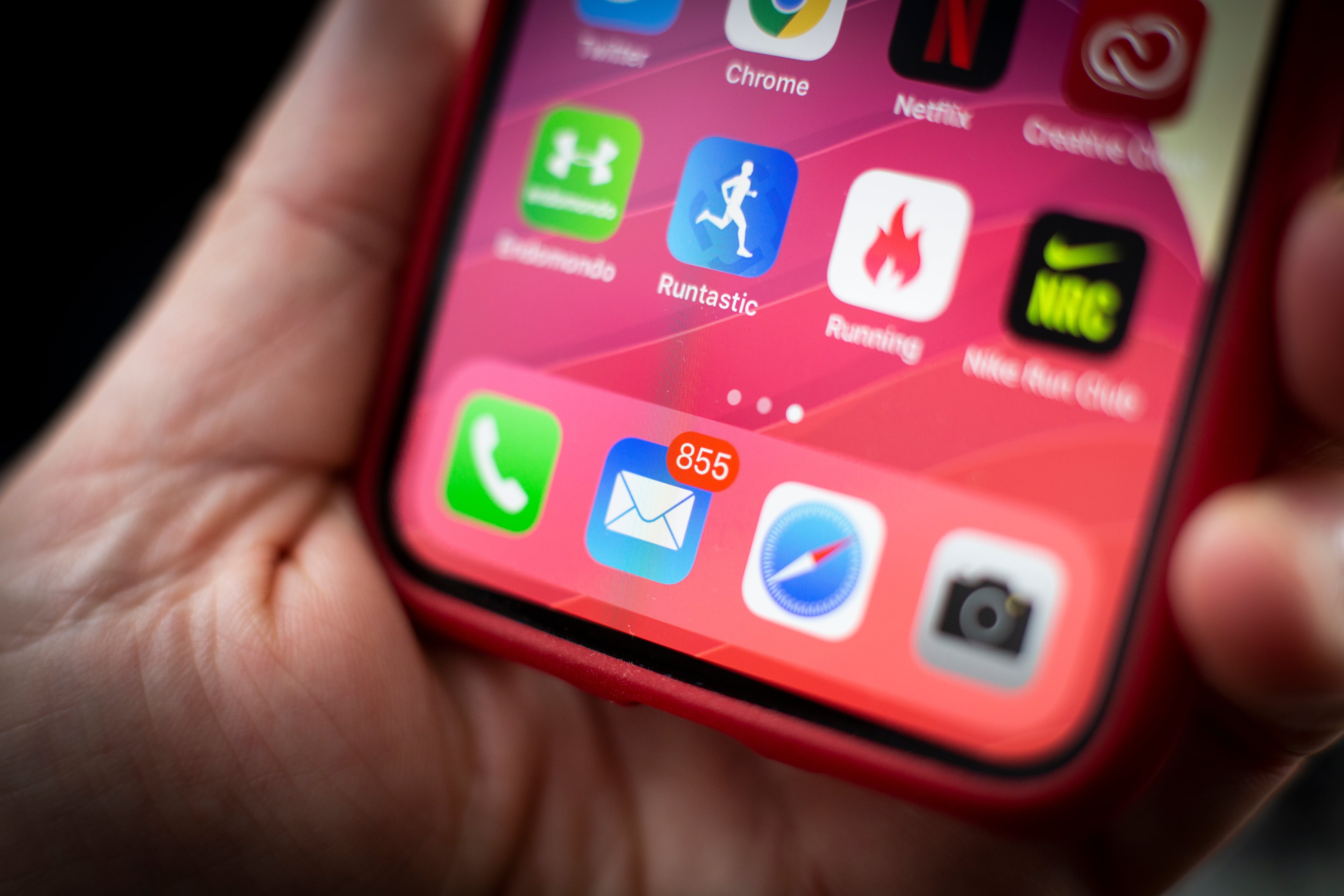
Email, once the digital equivalent of a handwritten letter, has largely transitioned into a protocol for automated scripts. According to a recent analysis by Hostinger, a web hosting provider, 87% of global email traffic is now generated by automated systems rather than people. A mere 13% of the world's digital mailboxes is filled by actual human thought and composition. The finding crystallizes a shift that has been underway for more than a decade but has now reached a tipping point: the medium designed for person-to-person correspondence is overwhelmingly occupied by machines talking to machines — or, more often, machines talking to no one at all.
The deluge of automated content has created an ecosystem defined by constant filtering. The analysis highlights that more than half of all emails never reach a human eye; only 44% of messages successfully navigate the gauntlet of anti-spam and antivirus protocols to arrive in an inbox. The remaining majority is intercepted, quarantined, or silently discarded. What was once a delivery problem — getting a message from sender to recipient — has become a sorting problem of industrial scale.
A medium buried by its own efficiency
The trajectory is not new. Since the early 2000s, spam has constituted the majority of email volume. What has changed is the composition of the non-human traffic. Early spam was crude: mass-distributed advertisements, phishing attempts, and scams sent from botnets. The current landscape is more layered. Automated email now includes transactional receipts, shipping notifications, two-factor authentication codes, calendar invitations generated by scheduling software, CRM drip campaigns, SaaS onboarding sequences, and alerts from an expanding constellation of connected services. Each individually serves a function. Collectively, they have transformed the inbox from a communication channel into a log file.
The rise of generative AI adds a further dimension. Tools capable of drafting personalized outreach at scale have lowered the marginal cost of sending a plausible-sounding email to near zero. The boundary between "automated" and "human" correspondence is itself becoming blurred: a message composed by a large language model on behalf of a sales representative occupies an ambiguous category. It may read as personal, but its economics are those of automation. For spam filters, the challenge of distinguishing legitimate machine-generated correspondence from unwanted machine-generated correspondence grows more complex with each improvement in language model fluency.
The generational fault line
For younger cohorts — particularly Gen Alpha, the first generation to grow up entirely within the smartphone era — email already functions less as a communication tool and more as a bureaucratic requirement. Account verification, school notices, and institutional correspondence arrive by email; actual conversation happens elsewhere, across messaging platforms and social apps designed for immediacy and brevity. The pattern mirrors earlier generational transitions: landline telephones did not disappear when mobile phones arrived, but their social function narrowed until they became largely ceremonial.
This generational divergence raises a strategic question for businesses and institutions that still treat email as a primary engagement channel. If the inbox is increasingly a space where automated messages compete with other automated messages for the attention of filters rather than people, the return on email as a marketing or communication vehicle changes fundamentally. Open rates, click-through rates, and deliverability metrics — the standard currency of email marketing — may be measuring activity within a system that fewer humans actively inhabit.
The structural nature of the shift is worth underscoring. Email is not declining in volume; by most measures, traffic continues to grow. What is declining is the share of that traffic that represents genuine human exchange. The protocol endures, but its social meaning is narrowing. Whether email stabilizes as a reliable infrastructure layer — a kind of digital postal service for receipts and verifications — or whether the noise eventually undermines even that utility depends on the arms race between automated senders and the filters built to stop them. The inbox, in other words, has become a contested space in which humans are increasingly bystanders.
With reporting from El País Tecnología.
Source · El País Tecnología