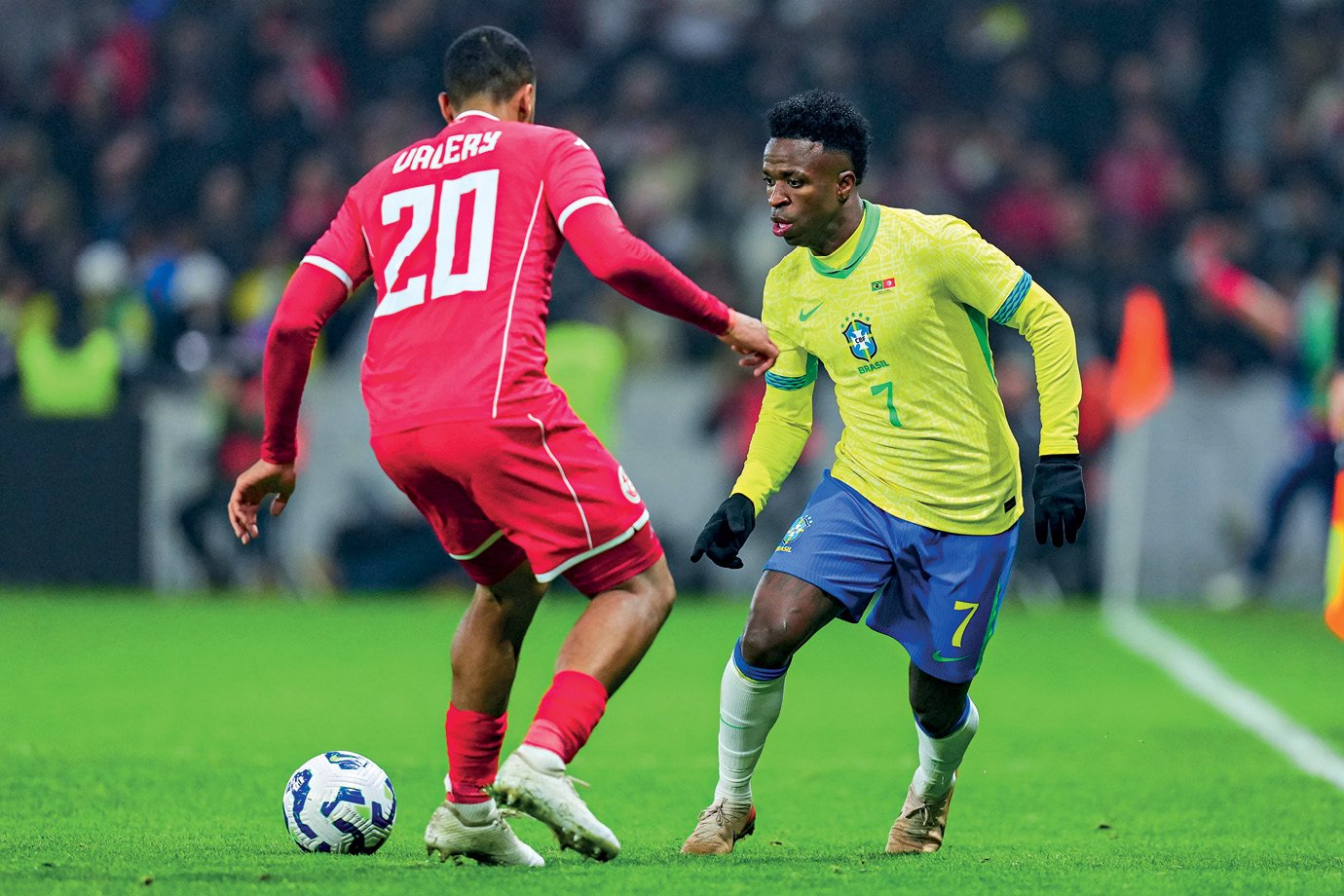
For decades, the pursuit of the \"Hexa\"—a sixth World Cup title—has served as a primary pillar of Brazilian national identity. However, new polling from Datafolha suggests that the myth of inevitability surrounding the *Seleção* is fracturing. As the 2026 tournament cycle progresses, public confidence in the team has plummeted to its lowest level in nearly three decades, signaling a profound shift in how the country views its most famous cultural export.
The skepticism follows years of underwhelming performances on the international stage and a perceived disconnect between the domestic fan base and a roster increasingly dominated by European-based stars. This erosion of faith is not merely a sports statistic; it reflects a broader cultural fatigue. The unwavering optimism that once defined the Brazilian pre-tournament ritual has been replaced by a pragmatic, if somber, realism regarding the team's standing in the modern game.
As football becomes more systematized and data-driven, the traditional Brazilian reliance on individual brilliance—the \"ginga\" that defined previous generations—appears to be losing its psychological hold. For a nation that has long used football as a primary form of soft power, this crisis of confidence suggests a turning point in the relationship between the Brazilian people and the jersey that once symbolized their highest global aspirations.
With reporting from Exame Inovação.
Source · Exame Inovação