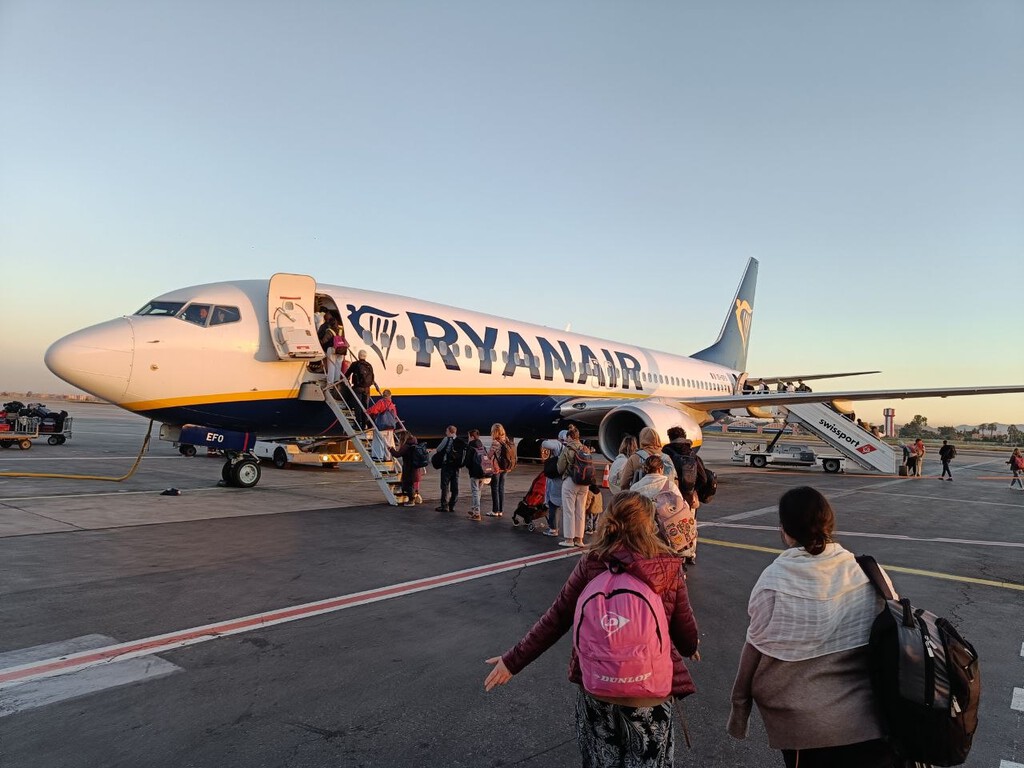
Michael O’Leary’s Ryanair has long treated the economics of European aviation as a game of chicken. Its current standoff with Aena, the Spanish airport operator, follows a familiar script: in response to proposed fee hikes, the carrier has begun a strategic withdrawal, slashing millions of seats across Spain’s regional network. It is a classic exercise in leverage, using the threat of diminished tourism to force a regulatory hand.
Yet, the efficacy of such brinkmanship depends on the absence of alternatives. At Barcelona’s El Prat airport, the data suggests that Ryanair’s tactical retreat is creating a void that its rivals are eager to occupy. During the first quarter of the year, the airline's market share at the hub fell to 15.9%, a notable dip from the previous year. For a company that prides itself on relentless expansion, this contraction represents a calculated risk that may be yielding diminishing returns.
The primary beneficiaries of this friction are Vueling and Wizz Air. Vueling, the IAG-owned carrier that maintains a dominant presence in Barcelona, has seen its passenger numbers climb toward the five-million mark, while Wizz Air continues to pick up the slack in the low-cost segment. In the commoditized world of short-haul travel, where price and schedule dictate consumer behavior, Ryanair’s decision to pull back is less a siege and more an invitation to the competition.
With reporting from Xataka.
Source · Xataka