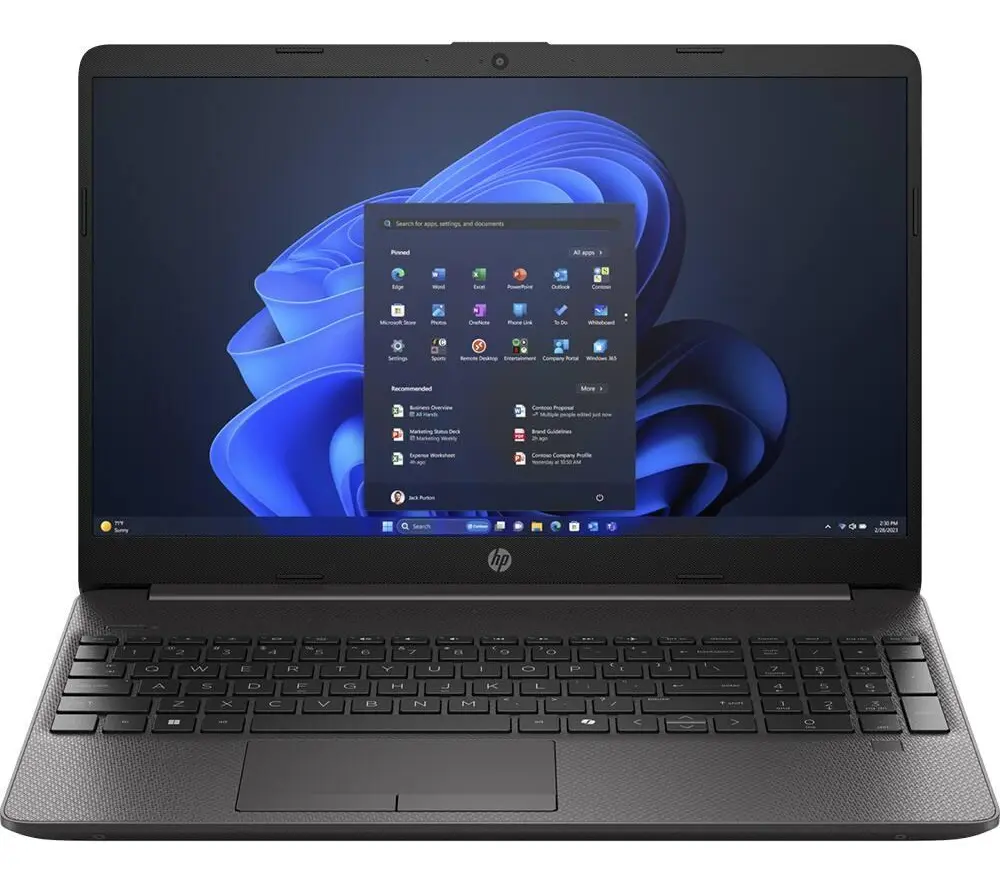
In the hierarchy of personal computing, the mid-range laptop often serves as the invisible backbone of the modern workforce. While flagship devices capture headlines with foldable screens and specialized neural processing units, machines like the HP 256R G9 represent the pragmatic reality for most students and remote professionals. It is a tool designed for the "good enough" era, where reliability and efficiency outweigh aesthetic experimentation.
The 256R G9 is built around the 13th-generation Intel Core i3-1315U, a chip that prioritizes energy efficiency without sacrificing the burst speed required for modern web-based workflows. Paired with 8GB of RAM and a 256GB SSD, the hardware configuration reflects the current industry standard for a functional office environment. It is a reminder that the primary bottleneck in productivity is rarely the processor’s peak clock speed, but rather the friction of system boot times and multitasking latency—both of which this model aims to minimize.
As software demands continue to scale, the value proposition of such hardware shifts. For the intermediate user, the inclusion of Windows 11 Home and a 15.6-inch display positions the device as a utilitarian bridge between cost and capability. In an era of escalating hardware prices, the persistence of well-built, entry-level workstations ensures that the digital tools necessary for participation in the global economy remain accessible.
With reporting from Olhar Digital.
Source · Olhar Digital