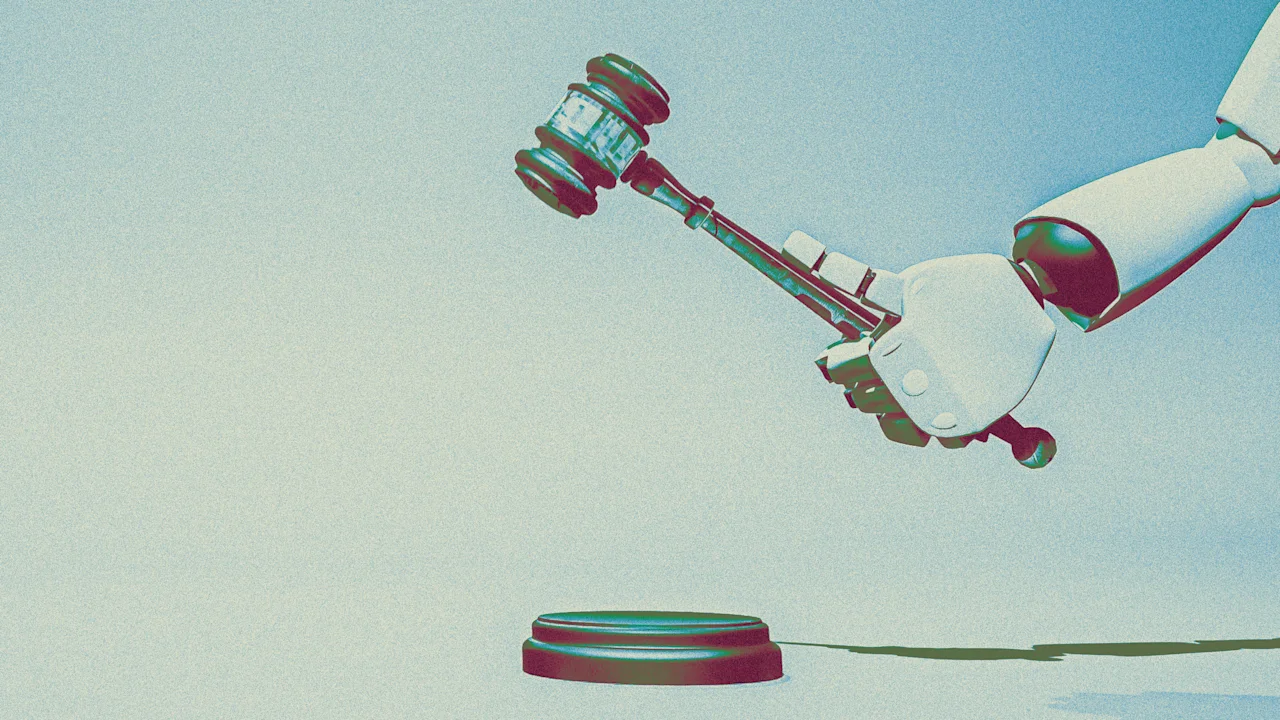
The legal profession has long been defined by its permanence—wood-paneled courtrooms, leather-bound volumes, and a deliberate, often glacial, pace of change. When technology does intrude, the results are frequently cautionary tales. From the "Lawyer Cat" Zoom incident of the pandemic era to recent sanctions against attorneys who submitted court filings containing ChatGPT-hallucinated citations, the industry’s relationship with automation has been fraught with public embarrassment and professional risk.
Yet, a fundamental shift is underway. Beyond the headlines of botched filings lies a structural reality: the fiduciary duty of a lawyer. As large language models and AI agents become more efficient at document review and legal research, the "standard of care" expected of a competent professional is beginning to evolve. If a tool exists that can significantly reduce costs or improve accuracy, failing to use it may soon be viewed not as a conservative choice, but as a breach of duty to the client.
This dynamic creates a paradox for the AI-skeptical. In fields like law, medicine, and accounting, the very caution that protects practitioners from new risks may eventually expose them to malpractice claims for inefficiency or oversight. As the technology matures, the question for the legal establishment is no longer whether they trust the machine, but whether they can afford the liability of ignoring it.
With reporting from Fast Company.
Source · Fast Company


