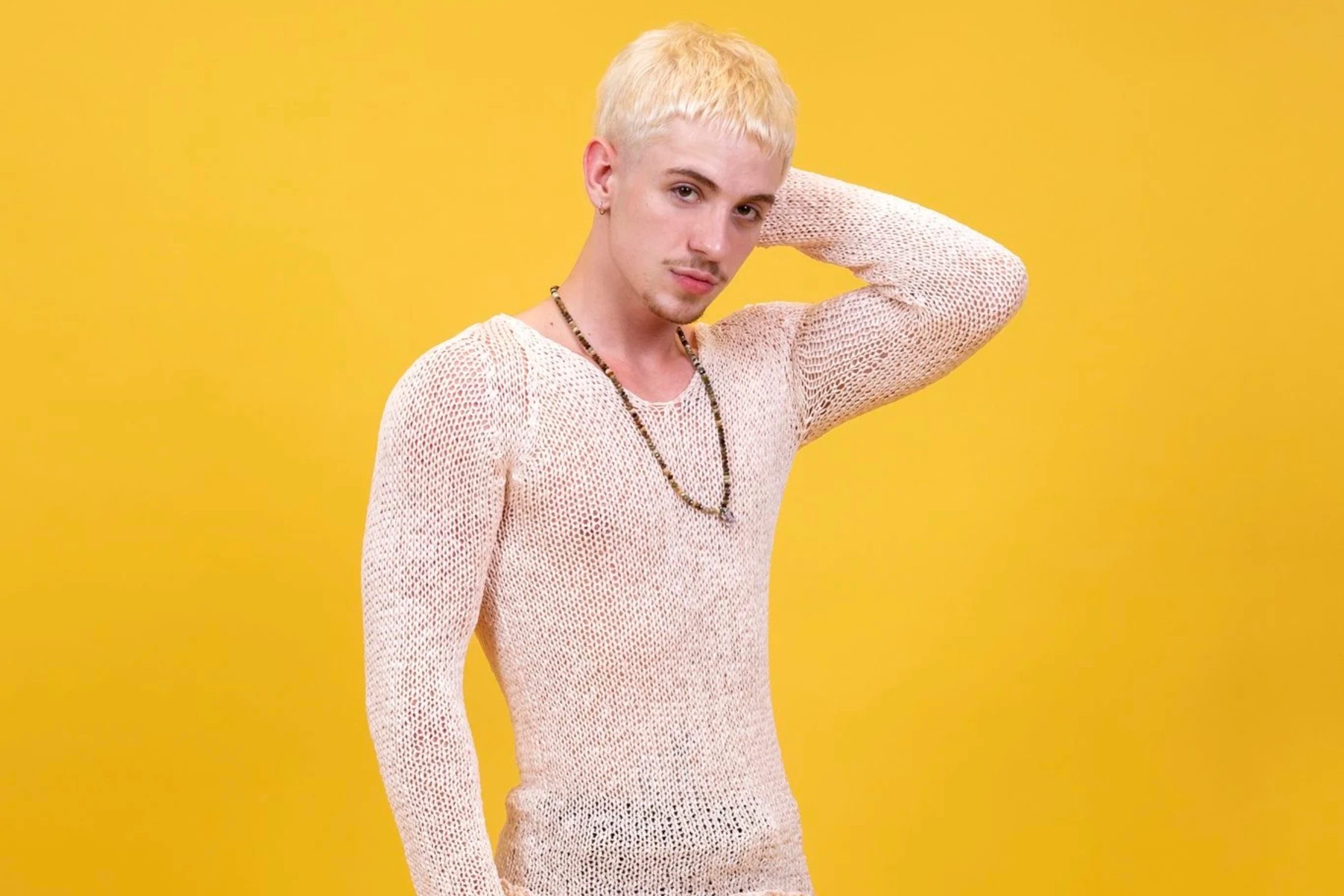
Juliano Floss's ascent to the finals of Big Brother Brasil 26 marks a significant data point in the ongoing merger of the creator economy and legacy television. Entering the house as a member of the "Camarote"—the show's designated tier for established public figures—Floss arrived with a pre-existing digital footprint that defined his initial perception. Known to millions for his choreographed precision on TikTok, his challenge was to exchange the curated brevity of social media for the relentless, unscripted scrutiny of 24-hour surveillance. His journey from short-form content creator to reality television finalist encapsulates a broader transformation in how fame is built, tested, and consolidated across media formats.
Throughout the season, Floss earned the moniker "The Little Prince," a title that reflects both his youthful aesthetic and a specific brand of charismatic vulnerability. His trajectory suggests a sophisticated understanding of modern celebrity; he did not merely exist within the house but actively translated his digital-native appeal into a narrative that resonated with the show's broader, more traditional television audience.
From algorithm to living room
The Camarote-Pipoca structure of Big Brother Brasil—which splits contestants into celebrities and ordinary citizens—has functioned since its introduction as a controlled experiment in cultural capital. Celebrities enter with name recognition but face the risk of overexposure; unknowns enter with authenticity but must build relevance from scratch. For digital creators like Floss, the calculus is distinct from that of actors, athletes, or musicians who have previously occupied the Camarote slots. A TikTok following, however large, is built on algorithmic distribution and brief, highly edited moments. The BBB house strips away every tool that makes that model work: there are no retakes, no filters, no comment sections to gauge reception in real time.
This makes the show an unusually rigorous stress test for influencer brands. Previous seasons have seen digitally famous contestants struggle when their online personas proved too thin to sustain weeks of unscripted interaction. Floss's ability to reach the finals suggests he managed something that eludes many of his peers—translating parasocial familiarity into genuine audience investment. The crossover appeal this requires is increasingly the gold standard for influencers seeking longevity beyond the algorithmic whims of social platforms.
The pattern is not unique to Brazil. Globally, reality television formats have shifted from star-making machines to brand-validation arenas. In the United States, contestants on shows like Love Island and The Traitors increasingly arrive with established social media followings. The logic is circular but powerful: platforms drive viewers to television, and television drives followers back to platforms. What distinguishes BBB is its sheer scale within Brazilian culture—it remains one of the highest-rated programs on Globo's schedule and commands an outsized share of national conversation during its run.
The creator economy meets legacy media
Floss's finalist position also raises questions about the evolving economics of reality television itself. For networks, casting creators with built-in audiences reduces the marketing cost of generating viewer interest. For the creators, the exposure operates on a different register than anything a sponsored post can deliver: sustained, narrative-driven visibility that reaches demographics who may never open TikTok. The exchange is symbiotic but not without tension. Legacy broadcasters need the cultural currency that digital-native talent brings; creators need the legitimacy and reach that traditional television still commands in markets like Brazil, where free-to-air broadcasting retains enormous penetration.
The deeper question is whether this convergence changes the nature of either medium. Reality television, in absorbing influencer logic, risks becoming a showcase rather than a crucible. And creators who optimize for television legibility may sand down the very edges that made them compelling online. Floss navigated this tension well enough to reach the final stage, but the structural forces pulling legacy media and the creator economy together are still early in their interaction.
As the season concludes, Floss's trajectory confirms that the transition from a smartphone screen to a national stage is not just possible but increasingly a strategic imperative. Whether this path produces durable careers or merely accelerates the cycle of attention remains an open question—one that the next generation of creators and the networks courting them will answer in real time.
With reporting from Exame Inovação.
Source · Exame Inovação