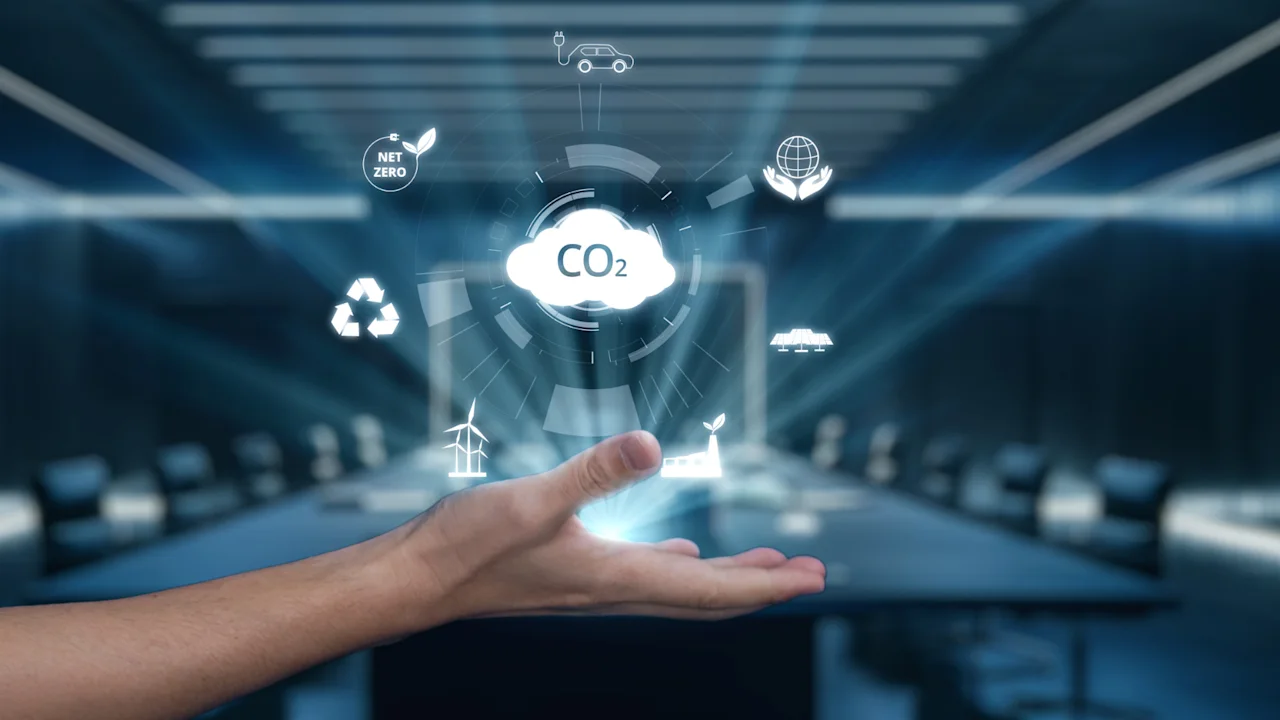
The metaphor of the "cloud" has long served as a convenient marketing tool, suggesting a digital realm that is ethereal and weightless. In reality, our online existence is tethered to a vast, energy-hungry physical infrastructure. Every email sent, every video streamed, and every query posed to an AI model is processed in industrial-scale data centers. According to recent estimates, the average internet user generates roughly 229 kilograms of carbon dioxide annually—a figure that accounts for nearly 4% of average per capita greenhouse gas emissions.
Despite its scale, the environmental impact of the digital ecosystem remains largely invisible to the consumer. While the carbon footprints of the fashion, agriculture, and transportation industries are subjects of intense public scrutiny, the "invisible exhaust" of our smartphone screens rarely enters the conversation. We have come to view the internet as a utility as essential as air, forgetting that its maintenance requires a massive expansion of physical storage and cooling systems.
This footprint is only growing as digital design trends toward the immersive. Modern user experiences now prioritize high-resolution visuals, autoplay video, and seamless motion—features that demand significantly more data processing than the static web of the past. As we integrate generative AI into our daily workflows, each interaction adds another layer to a mounting energy bill. Reconciling our demand for a frictionless digital life with the physical limits of the planet remains one of the most overlooked challenges of the modern age.
With reporting from Fast Company.
Source · Fast Company

