In an industry often defined by the relentless pursuit of the bleeding edge, the enduring relevance of AMD’s AM4 platform serves as a compelling case study in architectural longevity. Even in 2026, this legacy ecosystem remains a cornerstone for builders who prioritize pragmatic performance over the high costs of the latest socket transitions. The continued availability of mid-range components suggests that for a significant segment of the market, "good enough" is a moving target that hasn't yet outpaced older, well-engineered silicon.
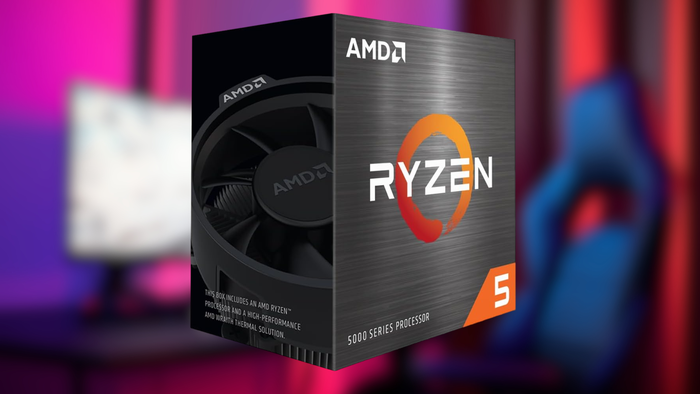
The Ryzen 5 5500, built on the Zen 3 architecture, remains the heart of this value proposition. With 6 cores and 12 threads, the processor offers the kind of multi-threaded efficiency that was once reserved for high-end workstations. When paired with a stable, utilitarian motherboard like the MSI A520M-A PRO, the kit provides a foundation for 1080p gaming that avoids the diminishing returns of more expensive, enthusiast-grade hardware. It is a configuration designed for the rational user—one who understands that frames-per-dollar is often a more critical metric than raw benchmarking scores.
This specific combination reflects a broader trend in the PC hardware landscape: the democratization of entry-level gaming. By opting for a mature platform, users can reallocate their budgets toward more volatile components like GPUs or high-speed memory. As the gap between high-end consoles and budget PCs continues to fluctuate, the AM4 platform stands as a stable entry point, proving that in computing, the most sophisticated choice is often the one that balances cost with a clear-eyed understanding of one's needs.
With reporting from Canaltech.
Source · Canaltech