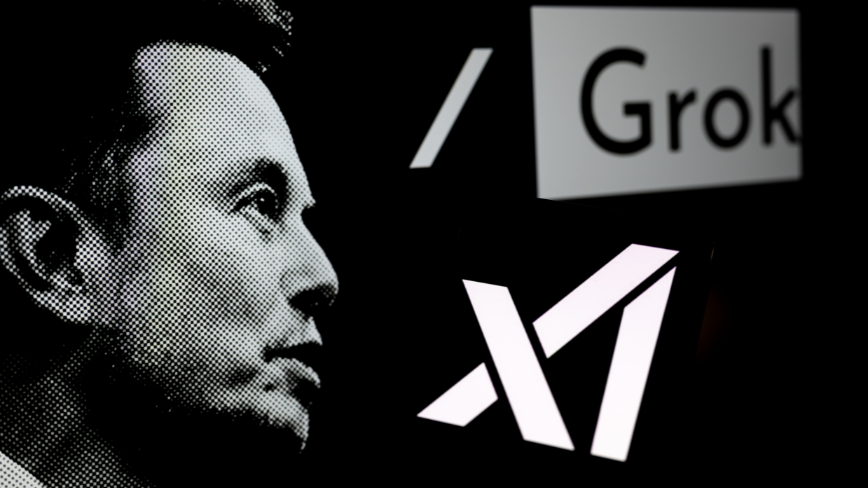
SpaceX’s long-anticipated transition from a private juggernaut to a public entity is taking shape with the release of its S-1 prospectus. The filing outlines an ambitious June listing that seeks a $1.75 trillion valuation and a capital raise of up to $75 billion. Yet, beneath the staggering figures lies a governance framework that ensures the company’s trajectory remains tethered to the singular vision of its founder.
The prospectus confirms that Elon Musk retains roughly 79% of the company’s voting power, despite owning approximately 42% of its equity. This disparity is achieved through a dual-class share structure, a common but controversial mechanism in Silicon Valley that decouples financial stake from corporate influence. For SpaceX, this arrangement effectively insulates Musk from the standard pressures of public shareholders, allowing him to maintain long-term strategic control over the company’s Mars-bound mission.
In a notable departure from typical institutional-heavy IPOs, SpaceX is reserving 30% of its allocation for retail investors. This unusually high percentage suggests a desire to cultivate a broad, loyal base of individual supporters—perhaps a nod to the cult of personality that has historically buoyed Musk’s ventures. As the company prepares to enter the public markets, it does so not as a traditional democracy of shareholders, but as a sovereign enterprise under a single command.
With reporting from The Next Web.
Source · The Next Web

/s3/static.nrc.nl/wp-content/uploads/2026/04/21084841/210426VER_2033103397_.jpg)