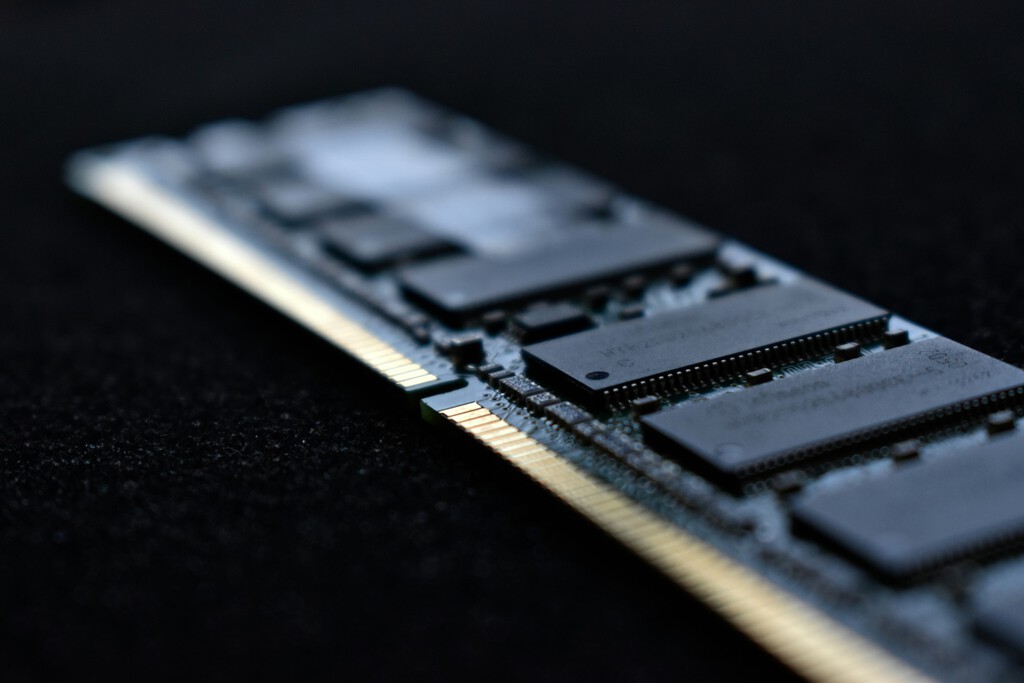
The primary bottleneck in the artificial intelligence gold rush is no longer just the scarcity of sophisticated models or raw compute power. Instead, the industry is hitting a physical limit in memory production. Three dominant players—Samsung, SK Hynix, and Micron—control roughly 90 percent of the global market, yet current estimates suggest they will only be able to meet about 60 percent of projected demand through 2027.
This shortfall is a direct result of a strategic pivot toward High Bandwidth Memory (HBM). Because HBM offers significantly higher margins and is essential for AI accelerators, manufacturers have prioritized it over standard DRAM, the workhorse memory found in smartphones, personal computers, and modern vehicles. The result is a structural deficit that has been driving up prices across the consumer electronics and automotive sectors since late 2025.
Relief is unlikely to arrive in the immediate future. While Samsung is expanding its manufacturing footprint with new facilities in Pyeongtaek, South Korea, mass production at these sites isn’t expected until 2027 at the earliest. A fifth planned plant, dedicated specifically to HBM, won't be operational until 2028. For the next three years, the tech industry must navigate a landscape where the intelligence of our machines is effectively being subsidized by the scarcity of our everyday hardware.
With reporting from Xataka.
Source · Xataka


