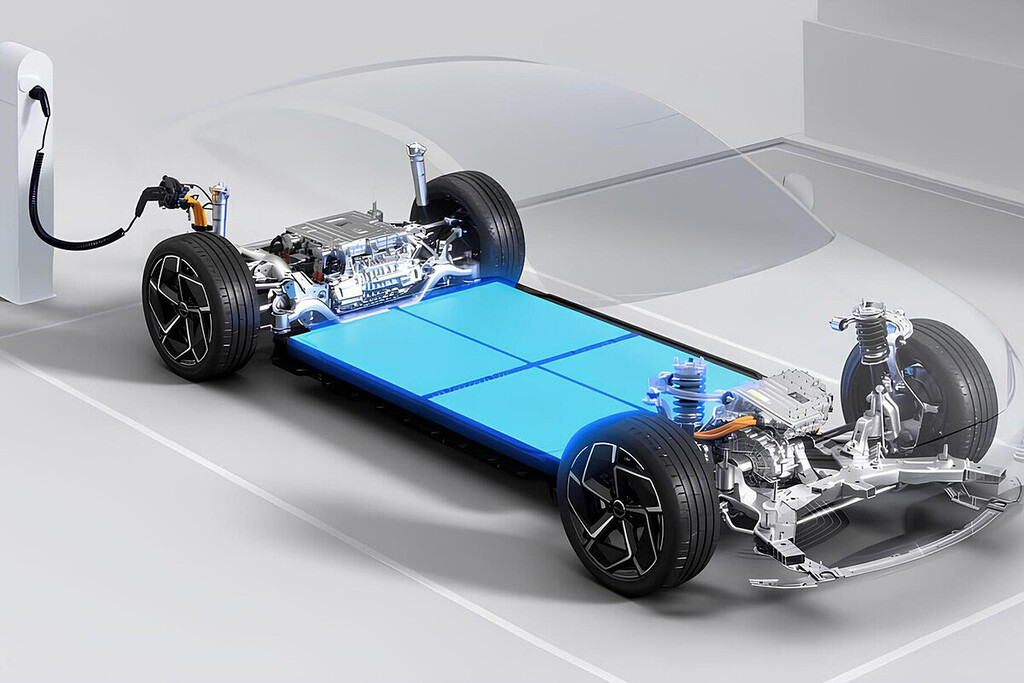
China’s grip on the electric vehicle supply chain is near-total. The nation currently produces 80 percent of the world’s EV batteries, a hegemony anchored by two titans: CATL and BYD. According to data from SNE Research, these firms command a combined market share of over 55 percent, a position built on a decade of aggressive vertical integration, control over lithium and rare earth processing, and a prescient bet on lithium iron phosphate (LFP) chemistry.
However, this green industrial complex rests on a fragile foundation. To sustain the intense thermal processes required for battery manufacturing at scale, Chinese plants remain deeply dependent on natural gas. This creates a striking paradox: the essential hardware of the global energy transition is being forged in furnaces fueled by the very hydrocarbons it is designed to replace.
This reliance introduces a significant strategic bottleneck. While China has secured the raw materials of the future, its manufacturing engine remains tethered to the geopolitical volatility of the present. As global energy markets face ongoing instability, the reliance on natural gas represents a singular point of failure for the world’s most critical decarbonization technology. The transition to a battery-powered world, it seems, still requires a steady flow of methane to keep the lights on.
With reporting from Xataka.
Source · Xataka