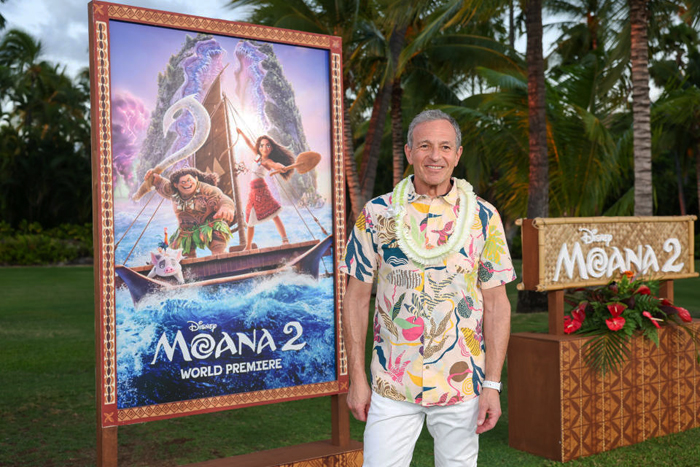
In late 2020, at the height of the pandemic's disruption to the global cinema industry, Disney announced that the sequel to its 2016 animated hit Moana would bypass theaters entirely. Reimagined as a television series for Disney+, the project was emblematic of a moment when Hollywood believed the future was exclusively digital and the multiplex was a relic of a pre-vaccine era. The pivot reflected a broader industry-wide bet that streaming subscriptions would provide a more stable and lucrative revenue stream than the volatile box office.
That bet, shared across nearly every major studio, rested on a simple thesis: if consumers were willing to pay monthly fees for unlimited content, the economics of direct-to-consumer distribution would eventually surpass those of theatrical release. Disney, which had launched Disney+ in late 2019, was among the most aggressive proponents of this logic, funneling marquee titles like Mulan (2020) and Pixar's Soul (2020), Luca (2021), and Turning Red (2022) directly to the platform. The calculus seemed straightforward — each high-profile release served as a subscriber acquisition tool, and subscriber growth was the metric Wall Street rewarded.
The Streaming Correction
As the so-called streaming wars matured, the promised windfall proved elusive. The cost of producing enough content to retain subscribers — and attract new ones in an increasingly saturated market — escalated faster than revenue. Disney's direct-to-consumer division reported substantial operating losses across multiple quarters, a pattern mirrored at Warner Bros. Discovery, Paramount, and NBCUniversal's Peacock. The fundamental problem was structural: theatrical releases generate concentrated bursts of revenue through ticket sales, premium formats, and downstream licensing windows, while streaming spreads returns thin across a subscription base whose growth has natural ceilings in each market.
This financial reality triggered a period of retrenchment across Hollywood. Studios began pulling back on content spending, raising subscription prices, and — critically — reconsidering the strategic value of the theatrical window. The decision to re-engineer Moana 2 from a Disney+ series back into a theatrical feature, announced roughly a year before its release, was more than a creative shift. It was a calculated admission that the traditional release window remains the most effective engine for generating outsized returns on flagship intellectual property. A theatrical run creates cultural event status that no streaming premiere has reliably replicated — the kind of collective audience experience that drives merchandise sales, theme park interest, and long-tail franchise value.
The Box Office as Brand Engine
The strategy appears to have been vindicated. Moana 2 emerged as a box-office powerhouse, rivaling the domestic gross of other major tentpoles like Wicked. Its performance reinforced a pattern visible across the industry's recent slate: audiences will still turn out in large numbers for the right titles on the big screen, and the revenue generated in that window dwarfs what the same title would produce as a streaming exclusive.
This success signals a broader correction in how studios allocate their most valuable assets. While streaming remains a vital component of the distribution ecosystem — particularly for catalog depth, episodic content, and titles aimed at niche audiences — the straight-to-digital model is increasingly reserved for mid-tier projects. The big screen has reasserted itself as the primary stage for a studio's crown jewels, the properties expected to anchor franchise ecosystems worth billions across consumer products, experiences, and subsequent digital windows.
The recalibration raises a question the industry has not yet fully answered. If theatrical release is once again the preferred launchpad for tentpole IP, what role does the streaming platform play beyond a library repository and a second-run window? Disney+ was sold to investors as a growth story; its long-term value proposition may depend on whether it can function as a profitable complement to theatrical dominance rather than a replacement for it. The tension between these two models — one built on scarcity and event-driven spending, the other on abundance and recurring fees — remains unresolved. How studios navigate that tension will shape the economics of entertainment for the next decade.
With reporting from David Bordwell Blog.
Source · David Bordwell Blog