The Pentagon has finally pulled the plug on the Global Positioning System Next-Generation Operational Control System, or OCX, ending a 16-year saga of technical delays and budgetary bloat. The decision, announced by the U.S. Space Force, marks the termination of a multibillion-dollar effort to modernize the ground-based infrastructure that directs the military's — and by extension, the world's — most critical navigation constellation.
Conceived as the essential software backbone for the latest generation of GPS III satellites, OCX was intended to manage new, more secure military signals and provide a more resilient command-and-control framework. However, the program became a textbook case of the "software-intensive" acquisition pitfalls that plague large-scale defense projects. Despite the first GPS III satellites entering orbit in 2018, the ground systems designed to unlock their full potential remained stuck in a cycle of perpetual testing and failure.
A Ground System That Never Left the Ground
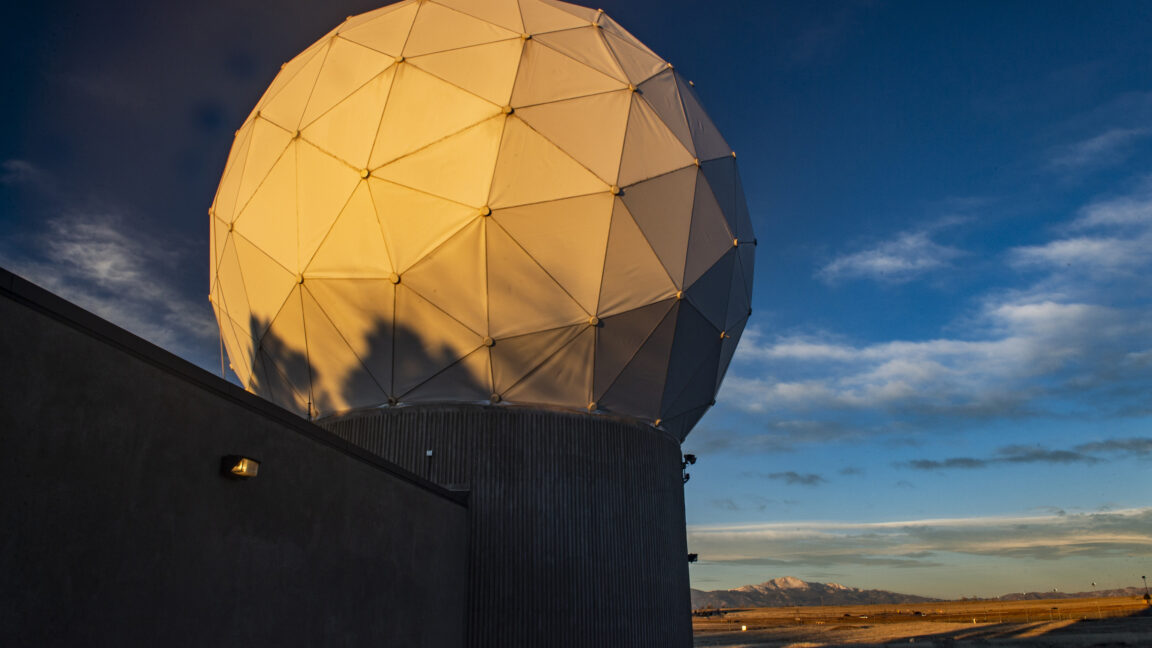
The GPS constellation is often discussed in terms of the satellites themselves — their orbits, their atomic clocks, the signals they broadcast. But the ground segment is arguably the more complex half of the architecture. It is the ground control system that uploads navigation messages, monitors satellite health, and manages the cryptographic keys that protect military-grade positioning data. Without a modern ground segment, newer satellites are forced to operate in a degraded mode, broadcasting legacy signals that do not take full advantage of their upgraded hardware.
OCX was supposed to solve this problem. When the program was initiated, the ambition was straightforward in concept but enormous in execution: build a single, integrated software platform capable of commanding every generation of GPS satellite, from the aging Block IIR vehicles to the newest GPS III spacecraft. The system also needed to meet stringent cybersecurity requirements — a mandate that grew more demanding as the threat landscape evolved over the program's long gestation. Each new security requirement added layers of complexity, and the software architecture, designed in an earlier era, struggled to absorb them.
The pattern is familiar in defense procurement. Programs conceived as unified, do-everything platforms tend to accumulate requirements faster than engineers can deliver working code. The result is a widening gap between schedule and reality. OCX followed this trajectory with unusual fidelity. Multiple Government Accountability Office reports over the years flagged the program for cost growth and schedule slippage, and the system repeatedly failed to pass critical testing milestones.
What the Cancellation Signals
The decision to terminate OCX rather than attempt yet another restructuring carries implications beyond the GPS program itself. It arrives at a moment when the Space Force is under pressure to demonstrate that it can acquire technology at a pace more consistent with the commercial space industry. Companies like SpaceX have compressed satellite development timelines from years to months. The contrast with a ground software program that consumed the better part of two decades is stark.
The cancellation also raises an immediate operational question: what replaces OCX? The current ground system, known as the Architecture Evolution Plan, has been kept running well past its intended lifespan precisely because OCX was never ready. The Space Force now faces the task of charting a new modernization path — likely one that favors modular, incrementally delivered software over the monolithic approach that defined OCX.
There is a broader tension at work. Military space systems increasingly depend on software for their competitive edge, yet the defense acquisition apparatus remains better suited to buying hardware. The OCX failure did not stem from a lack of funding or political will; it stemmed from a structural mismatch between the complexity of modern software and the procurement model used to build it. Whether the Space Force can close that gap with a successor program — or whether it will replicate the same dynamics under a new name — is the question that the OCX cancellation leaves unanswered.
With reporting from Ars Technica Space.
Source · Ars Technica Space