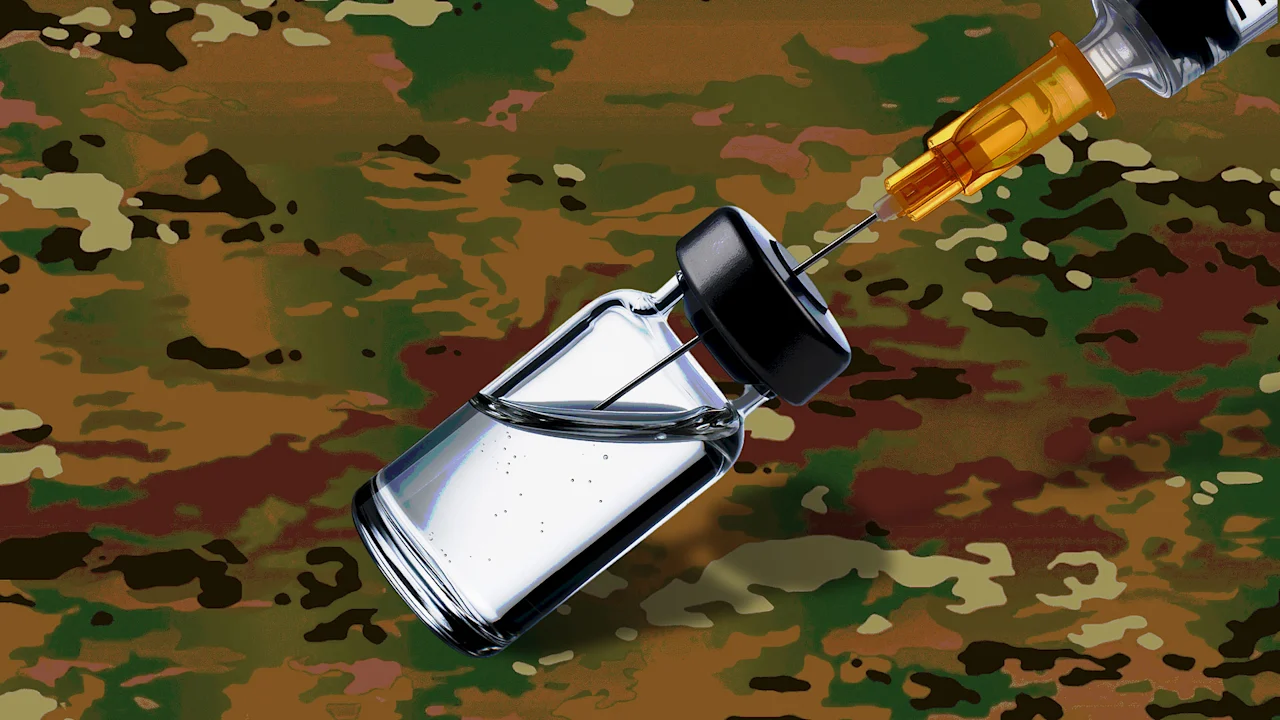
Defense Secretary Pete Hegseth announced this week that the U.S. military will no longer require service members to receive the annual influenza vaccine. In a video statement, Hegseth characterized the long-standing mandate as an \"absurd, overreaching\" policy that compromised military readiness. Under the new directive, the vaccine becomes voluntary for all active-duty and reserve members, as well as civilian personnel within the Department of Defense, framing the choice as a matter of personal conviction and bodily autonomy.
The policy shift marks a significant departure from nearly 80 years of military protocol. While the current political climate often frames vaccine requirements through the lens of recent pandemic debates, the military’s flu mandate was codified following World War II. The requirement was a direct response to the devastating impact of the 1918 influenza pandemic, which saw between 20% and 40% of U.S. Army and Navy personnel fall ill, severely hampering operations during a global conflict.
Public health experts note that the move introduces a new variable into the logistical reality of military life, where personnel frequently live and work in the high-density, close-quarter environments that facilitate rapid viral transmission. By prioritizing individual \"faith and convictions\" over universal immunization, the Pentagon is testing a doctrine of personal choice in an institution historically defined by collective discipline and centralized risk management.
With reporting from Fast Company.
Source · Fast Company