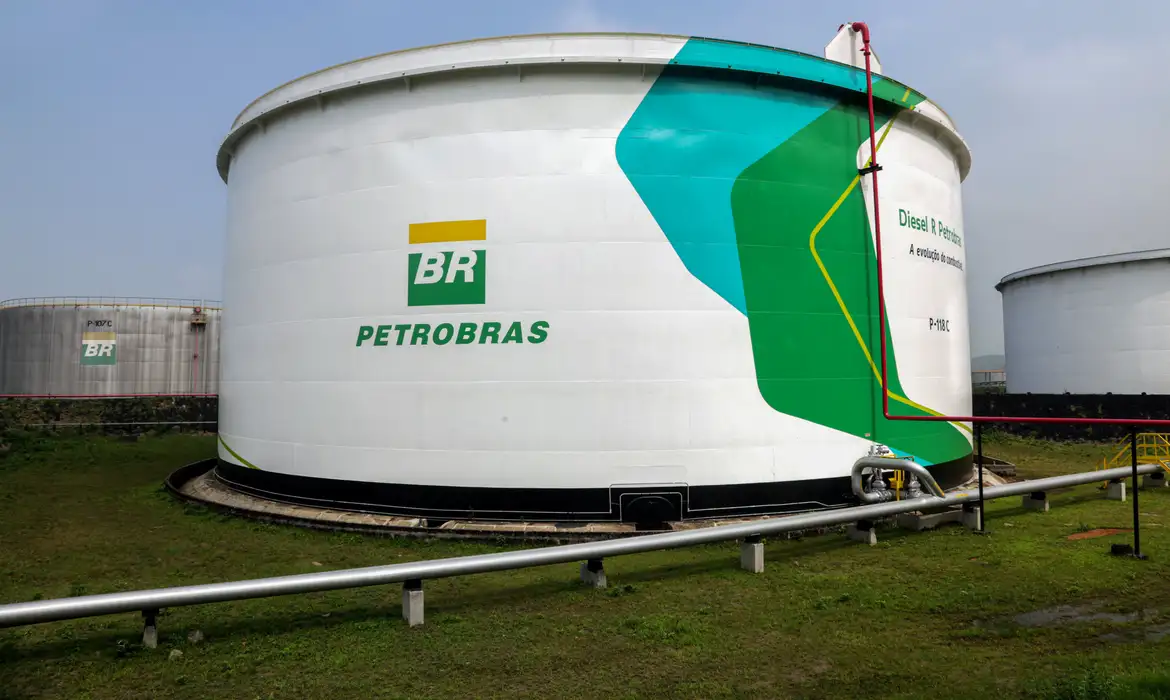
For Petrobras, the standard logic of the energy sector is currently being inverted. While global oil majors typically celebrate rising crude prices, the Brazilian state-run giant finds itself navigating a widening chasm between international benchmarks and domestic reality. At its refineries, diesel is sold for R$ 2.52 per liter less than the cost of importing the same fuel—a price gap that peaked at 74 percent in March 2026. Even after a mid-month price hike of 11.6 percent, the discrepancy persists at roughly 70 percent.
This price lag, or *defasagem*, represents a significant friction point for the company’s valuation. Drew Crawford, a managing partner at Austral Continental, notes that this is often the most critical variable ignored by international institutional investors. The dilemma is essentially political: Petrobras must weigh its fiduciary duty to shareholders against its role as an instrument of national economic policy. When the gap grows too wide, the company effectively subsidizes the domestic market, a move that protects consumers from inflation but strains the corporate balance sheet.
In this context, a drop in global oil prices might be the most favorable outcome for the company’s stability. A cheaper barrel would allow Petrobras to close the pricing gap naturally, avoiding the need for the aggressive domestic price increases that often trigger political volatility. Until the global market cools or domestic prices are further aligned, the company remains in a delicate holding pattern, serving as a buffer for the Brazilian economy at the expense of its own market parity.
With reporting from Exame Inovação.
Source · Exame Inovação