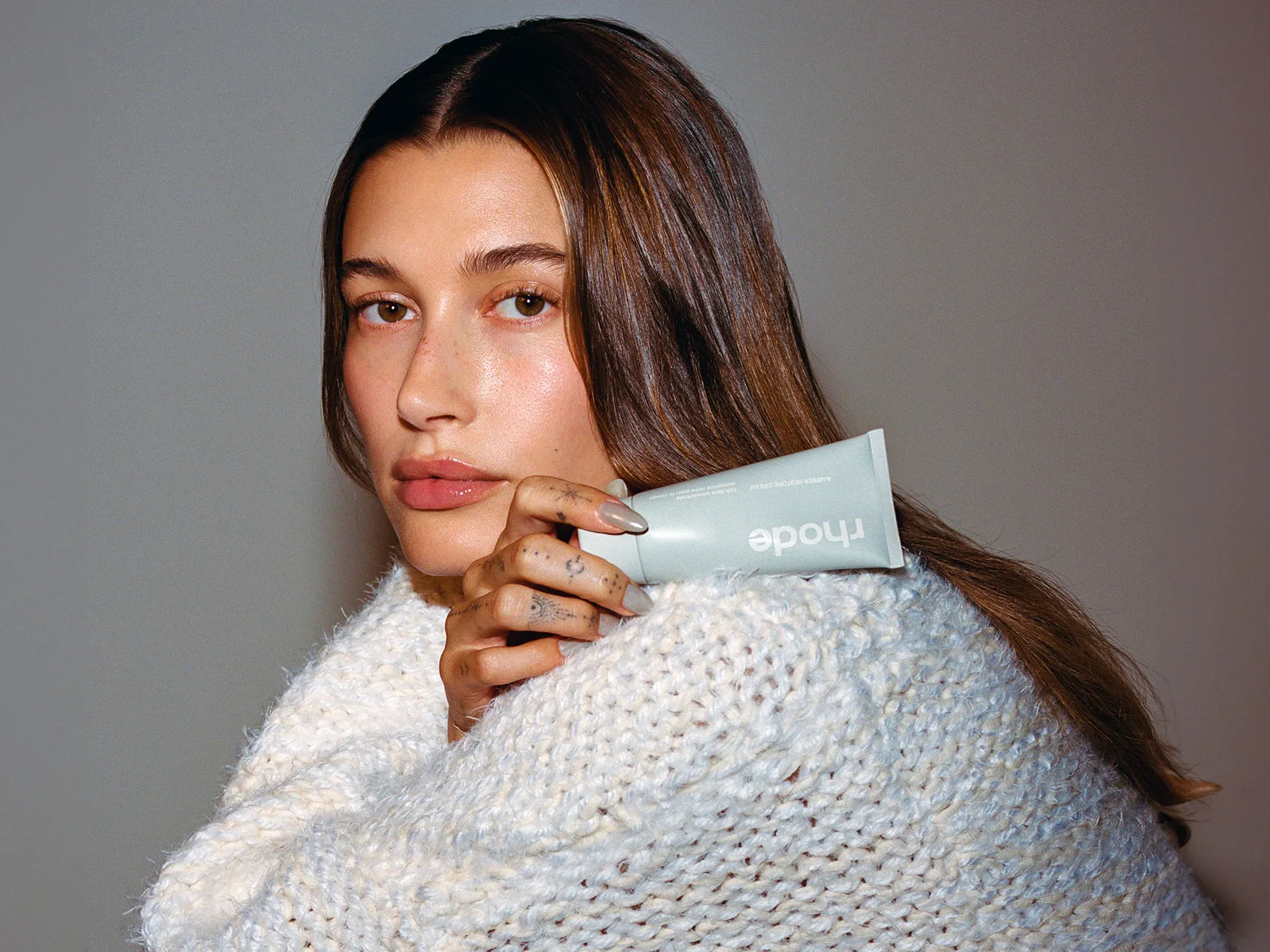
The 2026 iteration of Coachella arrived with the usual fanfare of historic musical milestones. Justin Bieber made a long-awaited return to the stage after a four-year hiatus, and Karol G became the first Latina artist to close the festival, marking a significant shift in the event's cultural geography. Yet, as the dust settles on the Indio desert, the narrative of the weekend belongs less to the performers and more to a figure who never picked up a microphone: Hailey Bieber.
The festival has long functioned as a high-stakes theater for brand placement, but 2026 signaled a evolution in the economy of influence. While Sabrina Carpenter transformed her set into a branded "Sabrinawood" spectacle, Hailey Bieber’s presence represented a more sophisticated form of cultural capital. Her dominance was not achieved through a scheduled set time, but through the seamless integration of lifestyle, luxury, and the quiet power of personal branding that permeated the festival’s VIP enclaves and social feeds.
This shift reflects a broader trend in the business of entertainment, where the "headliner" is no longer defined solely by musical output. Instead, the festival has become a platform for the architect of the aesthetic. In this landscape, the ability to command the visual narrative of the weekend is as valuable as a closing set on the main stage. Hailey Bieber’s "performance" was one of curation, proving that in the modern attention economy, being the face of the lifestyle is the ultimate headline act.
With reporting from Exame Inovação.
Source · Exame Inovação