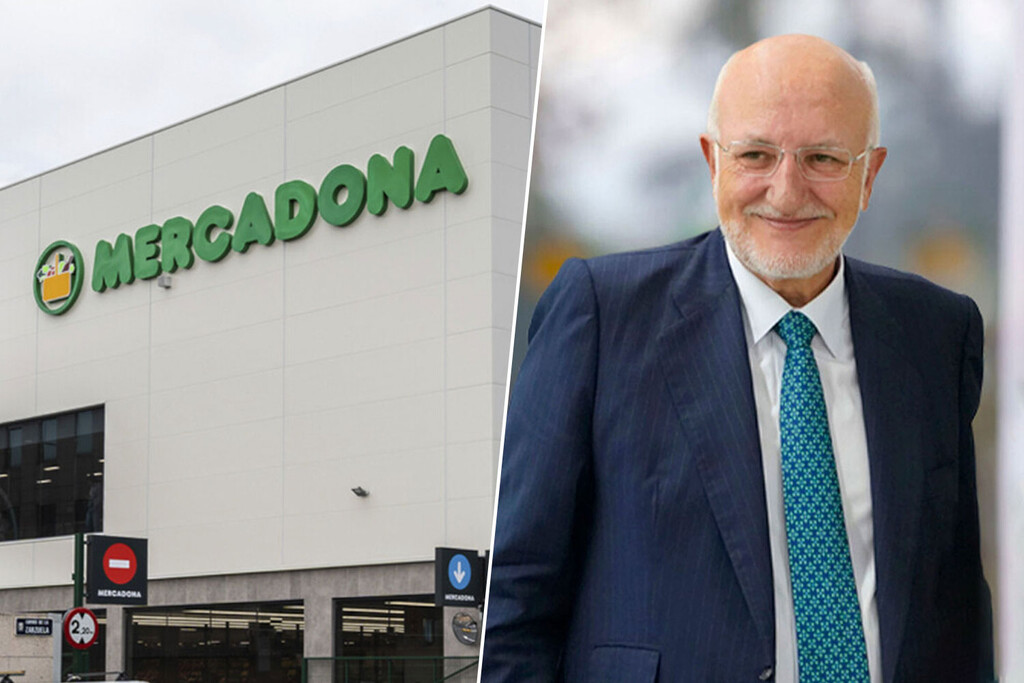
In the often-exorbitant world of executive compensation, Juan Roig, the chairman of the Spanish supermarket giant Mercadona, has maintained a rare level of fiscal consistency. For three consecutive years, Roig’s gross annual salary has remained fixed at €12 million. While the figure is substantial, it is notably modest when measured against the compensation packages of peers leading companies of similar scale, particularly given the absence of the performance-based bonuses that typically shield executive wealth from high tax brackets.
The structure of Roig’s pay reflects a straightforward, if heavily taxed, approach to personal finance. His earnings are split between €11 million as the sole administrator of Inmo-Alameda—the holding company through which he controls over 50% of Mercadona—and a €1 million salary for his role at the retailer. Under Spain’s current tax regime, this results in a 54% personal income tax rate, leaving Roig with a net take-home of approximately €5.5 million. By eschewing the intricate stock options and dividends that often define modern CEO pay, Roig’s compensation remains an outlier in its transparency.
Beyond personal earnings, Mercadona’s latest financial disclosures reveal a strategic pivot toward the company’s broader ecosystem. Rather than inflating executive pay or hoarding liquidity, the company has significantly increased its financial support for its network of vendors, quadrupling the volume of loans extended to its suppliers. This shift suggests a prioritization of supply chain resilience—a move that ensures the stability of the "product-to-shelf" pipeline in an era of fluctuating costs and economic uncertainty.
With reporting from Xataka.
Source · Xataka


