The conflict in Ukraine has entered a phase where the traditional kinetics of aerial combat are being superseded by a more static, psychological form of attrition. According to reporting from Xataka, military units have begun identifying an unconventional threat: small, thermal-signature points that remain motionless on rooftops or open fields for extended periods, only to activate when a target enters their immediate vicinity. These devices, colloquially dubbed "Zhduns" or "Waiters" by Russian forces, represent a departure from the high-speed, active-pursuit model that has characterized the first-person view (FPV) drone era.
This development signals a fundamental shift in how asymmetric warfare is conducted on the modern battlefield. By moving away from the need for continuous flight—which consumes energy and increases the probability of detection—these systems introduce a level of persistent, localized danger that effectively turns entire sectors of the front into high-risk zones. The editorial thesis here is that the integration of these "patient" platforms is not merely a tactical novelty but a structural evolution in how states and non-state actors project power through low-cost, high-leverage autonomous systems.
The Evolution of Static Lethality
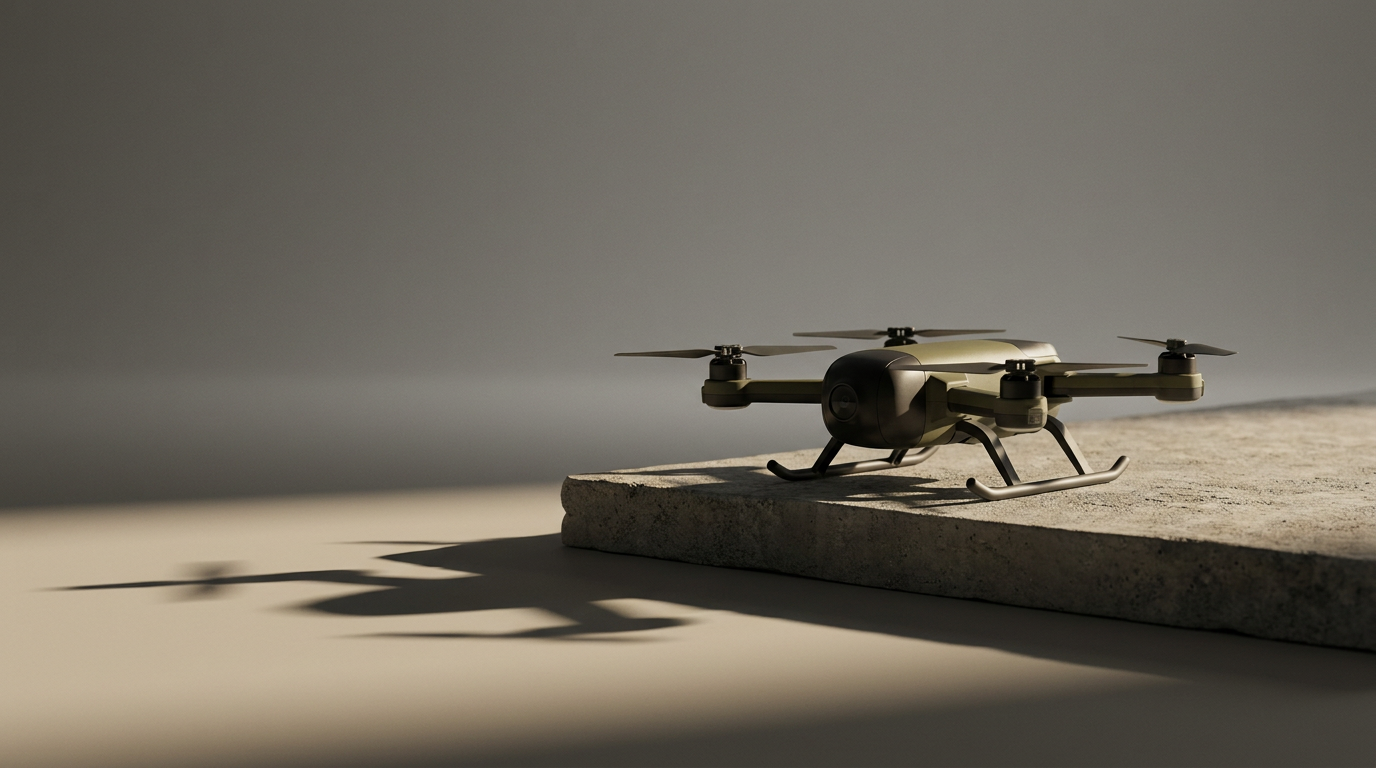
The strategic value of the "patient" drone lies in its ability to bridge the gap between a conventional munition and a smart landmine. Historically, the battlefield required a clear distinction between the delivery vehicle—the aircraft or missile—and the static obstacle, such as a minefield. The modern drone, however, has collapsed this distinction. By utilizing modified landing gear and fiber-optic tethering, these units can remain dormant for hours or even days, bypassing the electronic warfare (EW) countermeasures that typically disrupt radio-frequency communication in contested environments.
This approach mirrors the evolution of signal intelligence and pattern analysis in military operations. The placement of these drones is rarely opportunistic; it is the result of meticulous surveillance, mapping of logistics routes, and the identification of movement patterns. By pre-positioning assets, the operator shifts the burden of vigilance onto the adversary. The enemy is no longer just fighting a visible aerial threat; they are operating within an environment where the terrain itself has become hostile. This psychological dimension of warfare, where the mere possibility of an invisible, dormant threat forces a change in behavior, is perhaps more disruptive than the physical destruction the drones eventually inflict.
Mechanisms of the Invisible Ambush
Technologically, the effectiveness of these systems is rooted in their ability to minimize their electromagnetic and acoustic signatures until the moment of engagement. Unlike traditional FPV drones that announce their presence through the sound of propellers and the emission of control signals, these "patient" systems remain silent. The use of fiber-optic cables for control is a critical technical pivot. By replacing wireless links with physical connections, operators can mitigate the risk of jamming, which has become the primary defensive shield against drone incursions in Ukraine.
Furthermore, the integration of these systems with ground-based robotic platforms is expanding the reach of this "trap" architecture. As unmanned ground vehicles (UGVs) and aerial drones are increasingly synchronized, the battlefield becomes a network of interconnected sensors and effectors. This creates a feedback loop where the drone does not merely act as a weapon, but as a node in a larger intelligence-gathering apparatus. The machine learns the target's habits, waits for the optimal window of engagement, and strikes with the precision of a sniper, all while minimizing the risk to the human operator who remains safely behind the lines.
Implications for Future Conflict
The implications of this shift extend far beyond the current conflict in Eastern Europe. For regulators and military strategists, the democratization of such persistent, autonomous ambush technology presents a significant challenge to conventional force protection. If a relatively inexpensive drone can effectively deny an area to infantry or logistics convoys, the cost-benefit analysis of military hardware changes drastically. The vulnerability of traditional, high-cost assets to these low-cost, persistent threats suggests that future military procurement will likely prioritize defensive electronic warfare and counter-autonomous systems over traditional armor.
For competitors and observers, this trend highlights a growing reliance on machine learning and autonomous decision-making. As the volume of data collected by these "patient" sensors grows, the pressure to automate the identification and engagement process will increase. While this reduces the cognitive load on human operators, it also raises complex questions regarding the ethics of autonomous lethality and the potential for unintended escalation. The battlefield is becoming a space where the speed of adaptation is the only true measure of superiority, and the ability to out-wait the adversary is becoming as important as the ability to out-gun them.
The Outlook for Autonomous Attrition
What remains uncertain is the long-term sustainability of this "war within a war," where the primary objective is to hunt the hunters. As counter-drone technologies advance, incorporating more sensitive thermal imaging and AI-driven pattern recognition to detect dormant units, the cycle of innovation will only accelerate. We are observing the early stages of a recursive arms race where the hardware is secondary to the algorithms governing placement, stealth, and detection.
As these systems continue to evolve, the question of how militaries will maintain control over their own logistics and movement in an environment saturated with persistent, autonomous traps remains open. The transition from active, human-centered combat to this more detached, algorithmic form of attrition is likely to define the next decade of geopolitical conflict, forcing a reevaluation of what it means to hold ground when the ground itself is watching.
With reporting from Xataka
Source · Xataka