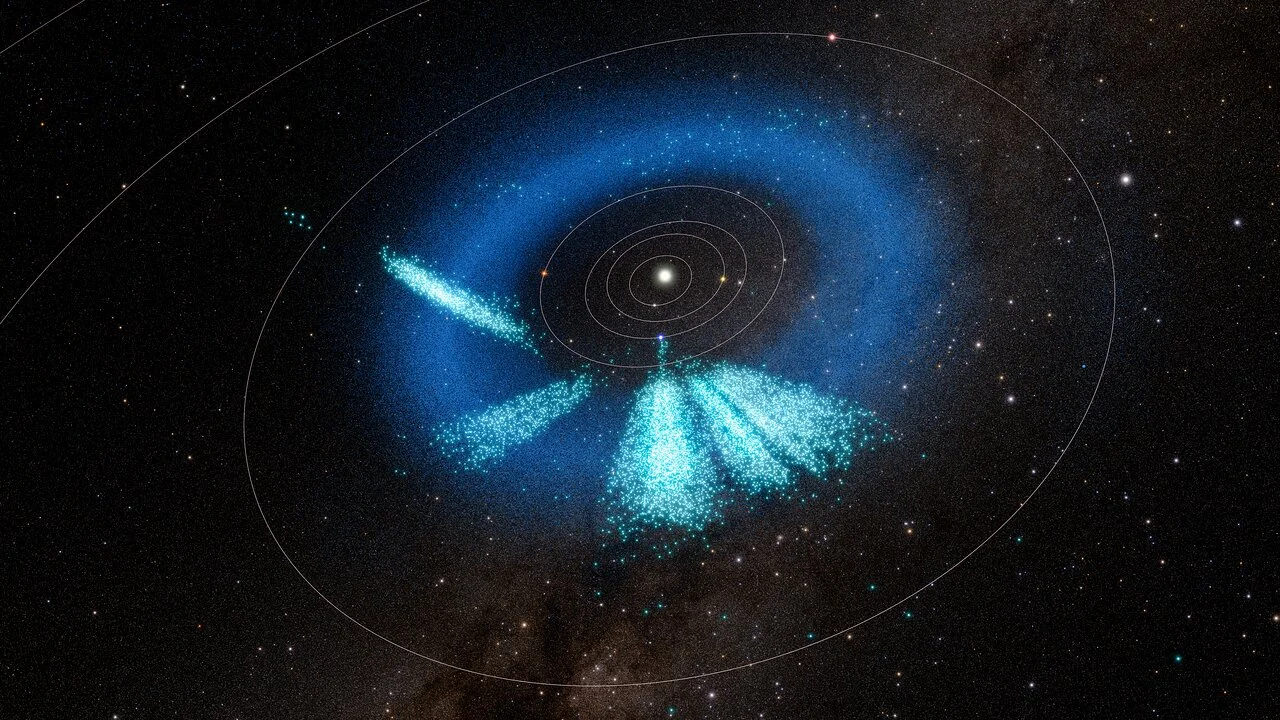
The Vera C. Rubin Observatory, perched atop Cerro Pachón in the Chilean Andes, is not yet fully operational. However, its preliminary data runs are already reshaping our inventory of the solar system. During a testing phase for its software pipelines, the observatory identified 11,000 new asteroids—a staggering figure for a facility that has barely begun its primary mission.
The discovery was made using the HELIO-LINC algorithm, a sophisticated tool designed to identify moving objects within sparse data sets. This success validates the observatory's core promise: to act as a high-speed, wide-angle lens for the cosmos. When the ten-year Legacy Survey of Space and Time (LSST) officially commences, Rubin is expected to increase the number of known solar system objects by a factor of ten, cataloging millions of asteroids that have previously escaped detection.
This early haul is more than a statistical milestone; it is a proof of concept for a new era of "big data" astronomy. Rather than focusing on individual targets, Rubin will photograph the entire visible sky every few nights, creating a panoramic time-lapse of the universe. By tracking the shifting positions of these 11,000 new objects—and the millions that will follow—astronomers can better map the gravitational architecture of our celestial neighborhood and identify potential threats to Earth with unprecedented precision.
With reporting from Universe Today.
Source · Hacker News