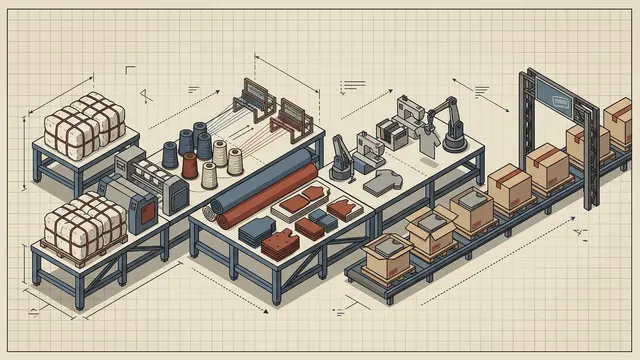
The global fashion industry has long operated under a singular, rigid definition of success: rapid scale, aggressive wholesale distribution, and the relentless pursuit of global brand recognition. For decades, the trajectory for an emerging label was clear—secure venture capital, expand into major international department stores, and achieve high-volume production to satisfy the demands of scale. However, a shifting landscape is forcing a re-evaluation of this model. According to Business of Fashion reporting, an increasing number of designers are now intentionally eschewing these traditional benchmarks of growth, opting instead for a slower, more deliberate approach that prioritizes operational stability and brand autonomy over rapid market penetration.
This trend represents a fundamental departure from the growth-at-all-costs ethos that characterized the luxury and contemporary fashion sectors throughout the early 2010s. By decoupling success from the metrics of wholesale volume and international store counts, these founders are attempting to insulate their businesses from the volatility inherent in global supply chains and the unpredictable shifts in consumer demand. This shift toward a more sustainable business model suggests a broader maturation of the independent design sector, where founders are increasingly wary of the structural dependencies that come with traditional scaling.
The Structural Limitations of Traditional Scaling
The traditional fashion scaling model is heavily reliant on wholesale distribution, a mechanism that historically provided brands with immediate cash flow and increased visibility. By placing collections in major department stores, labels could reach a wider audience and establish legitimacy in the eyes of the consumer. However, this model also trapped many designers in a cycle of constant, high-pressure production. The necessity to meet the delivery windows and inventory demands of major retailers often forced brands to scale faster than their infrastructure could support, leading to significant financial strain and, in many cases, creative burnout.
Furthermore, the wholesale model introduces a layer of separation between the brand and its ultimate customer. When a designer relies on a third-party retailer to represent their vision, they lose control over the brand experience and the pricing strategy. This loss of agency is particularly acute for independent labels that define their value proposition through craftsmanship or specialized design. The financial pressures of maintaining wholesale contracts often force brands to dilute their aesthetic or sacrifice quality to meet the margins required by retailers, a compromise that many contemporary founders now find increasingly untenable.
By moving away from this structure, these brands are reclaiming their operational independence. The decision to prioritize direct-to-consumer channels, smaller batch production, and a more curated retail presence allows for greater control over margins and brand narrative. While this approach may limit the potential for explosive short-term growth, it offers a more resilient foundation that can withstand the cyclical downturns that frequently plague the fashion industry.
The Mechanism of Sustainable Growth
At the core of this shift is a fundamental change in how founders approach capital allocation and inventory management. Instead of reinvesting profits into aggressive marketing or expanding into new international markets, these brands are directing resources toward internal infrastructure and long-term customer retention. This strategy relies on building a loyal, recurring customer base rather than constantly chasing new demographics through expensive acquisition channels. The emphasis is on depth of engagement rather than breadth of reach, a strategy that is particularly effective in an era where digital fragmentation makes broad-scale advertising increasingly inefficient.
This mechanism of growth also necessitates a more disciplined approach to the creative cycle. By rejecting the industry's traditional seasonal calendar, which demands constant newness and rapid turnover, these designers are creating space for more thoughtful, durable collections. This not only reduces the risk of unsold inventory—a perennial problem for the fashion industry—but also aligns the brand with the growing consumer preference for longevity and ethical production. The financial discipline required to maintain this model is significant, but it provides a buffer against the inventory write-downs that have historically crippled many mid-sized fashion businesses.
Moreover, this model allows for a more agile response to market changes. Without the burden of massive wholesale commitments, brands can adapt their production in real-time based on actual demand. This responsiveness is a competitive advantage in a market where consumer preferences are increasingly volatile and influenced by digital trends. By maintaining a leaner operation, these founders are essentially trading the potential for rapid, speculative growth for a more predictable and sustainable trajectory that prioritizes profit margins over gross revenue.
Stakeholder Implications and Market Tensions
This shift in strategy creates significant tensions for stakeholders across the fashion ecosystem. For investors, the move toward slower growth challenges the traditional venture capital model, which typically demands high-growth exits. If independent brands continue to prioritize autonomy over scale, the path to liquidity for early-stage investors becomes more complex, necessitating a re-evaluation of investment horizons and expected returns. This could lead to a bifurcation in the fashion funding market, with some investors shifting their focus toward brands that can prove a scalable digital-first model while others may need to adjust their expectations for smaller, more stable returns.
For major retailers, the trend poses a distinct challenge to their relevance. As more brands move toward direct-to-consumer models, department stores and multi-brand retailers must rethink their value proposition. If they can no longer rely on the exclusivity of their brand roster, they must find new ways to provide value, perhaps by shifting toward a more service-oriented model or by focusing on curation that goes beyond simply stocking popular labels. The tension between the brand’s desire for control and the retailer’s need for product exclusivity will likely remain a central point of friction in the coming years.
Uncertain Horizons for Independent Design
Despite the clear benefits of a slower growth trajectory, the long-term viability of this model remains an open question. Can a brand maintain its cultural relevance and creative edge without the massive marketing budgets and global distribution networks that traditional scaling provides? The risk of stagnation is real; in an industry that thrives on novelty, the ability to remain visible without the constant churn of new collections requires a sophisticated and highly effective brand narrative. The challenge for these founders will be to sustain their growth without falling into the trap of insularity.
Furthermore, the economic environment will play a critical role in how this trend evolves. If the broader economy faces prolonged headwinds, the pressure to seek capital or scale might become unavoidable for even the most committed founders. The question of whether this shift is a permanent change in industry structure or a temporary reaction to current market conditions remains to be seen. As these brands continue to navigate the balance between growth and sustainability, the fashion industry will likely see a widening gap between those who adhere to the traditional scale-at-all-costs model and those who are forging a new path of controlled, intentional expansion.
As these independent labels continue to refine their operations, the industry is forced to confront the limits of its existing growth paradigms. Whether this movement will inspire a broader systemic change remains an open question, but the current shift suggests that for many, the definition of a successful fashion business is undergoing a profound and necessary transition away from volume and toward sustained, long-term viability.
With reporting from Business of Fashion
Source · Business of Fashion