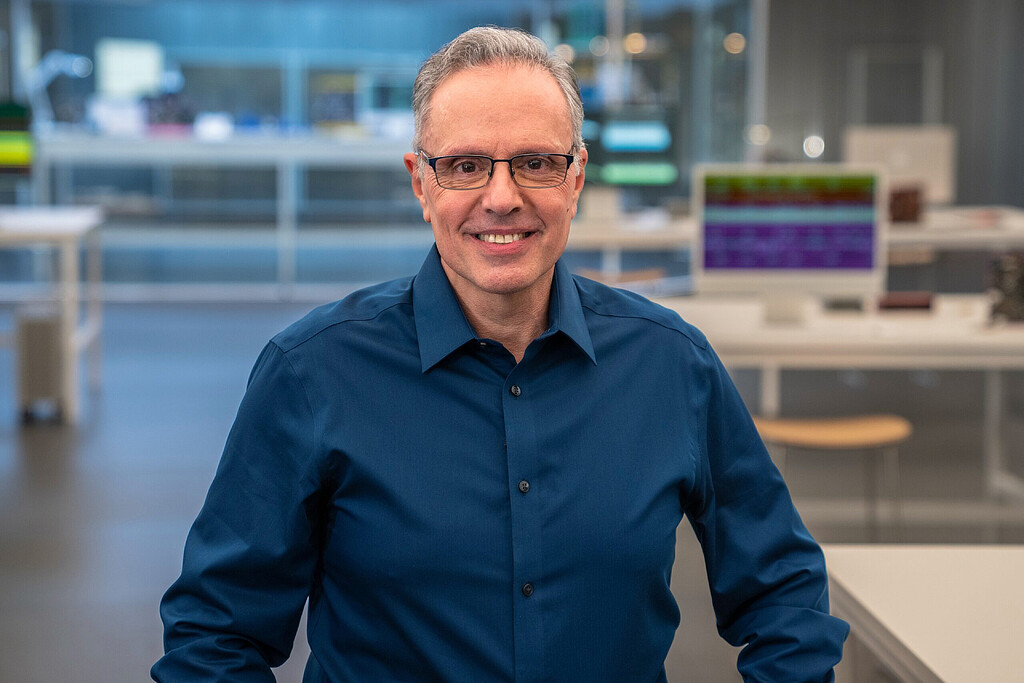
In the meticulous hierarchy of Apple’s executive suite, power is often measured by the distance between a leader’s vision and the physical reality of the hardware. For years, Johny Srouji has occupied that critical gap. Following a realignment of leadership that has positioned John Ternus at the helm, Srouji—the Israeli engineer who orchestrated Apple’s divorce from Intel—has emerged as arguably the second most powerful figure within the company.
Born in Haifa and educated at the Technion, Srouji arrived at Apple in 2008 after stints at Intel and IBM. His mandate was singular: to bring the design of the company’s most vital components in-house. The result was a decade-long masterclass in vertical integration. Beginning with the A4 chip in 2010 and culminating in the 64-bit A7 and the revolutionary M1 series, Srouji transformed Apple from a consumer electronics firm into a semiconductor powerhouse, ending its reliance on third-party silicon and granting it total control over its product roadmap.
Srouji’s ascent reflects a broader shift in Apple’s internal culture. While the company was once defined by the aesthetic purity of its industrial design, the modern era is defined by performance and efficiency. As Senior Vice President of Hardware Technologies, Srouji’s influence now extends beyond the laboratory; he is the architect of the systems that allow Apple’s software and hardware to achieve their characteristic synergy. In an industry increasingly defined by the limits of physics and the demands of artificial intelligence, the man who builds the chips now holds the keys to the kingdom.
With reporting from Xataka.
Source · Xataka