The relationship between a filmmaker and their audience is often defined by a fundamental asymmetry: what the viewer finds profound is rarely what the creator holds most dear. In the promotional cycle of a major festival like the Berlin International Film Festival, directors are frequently tasked with the labor of interpretation — forced to act as critics for their own work and explain "what it means." This demand for a coherent narrative often obscures the granular, often accidental realities of the creative process.
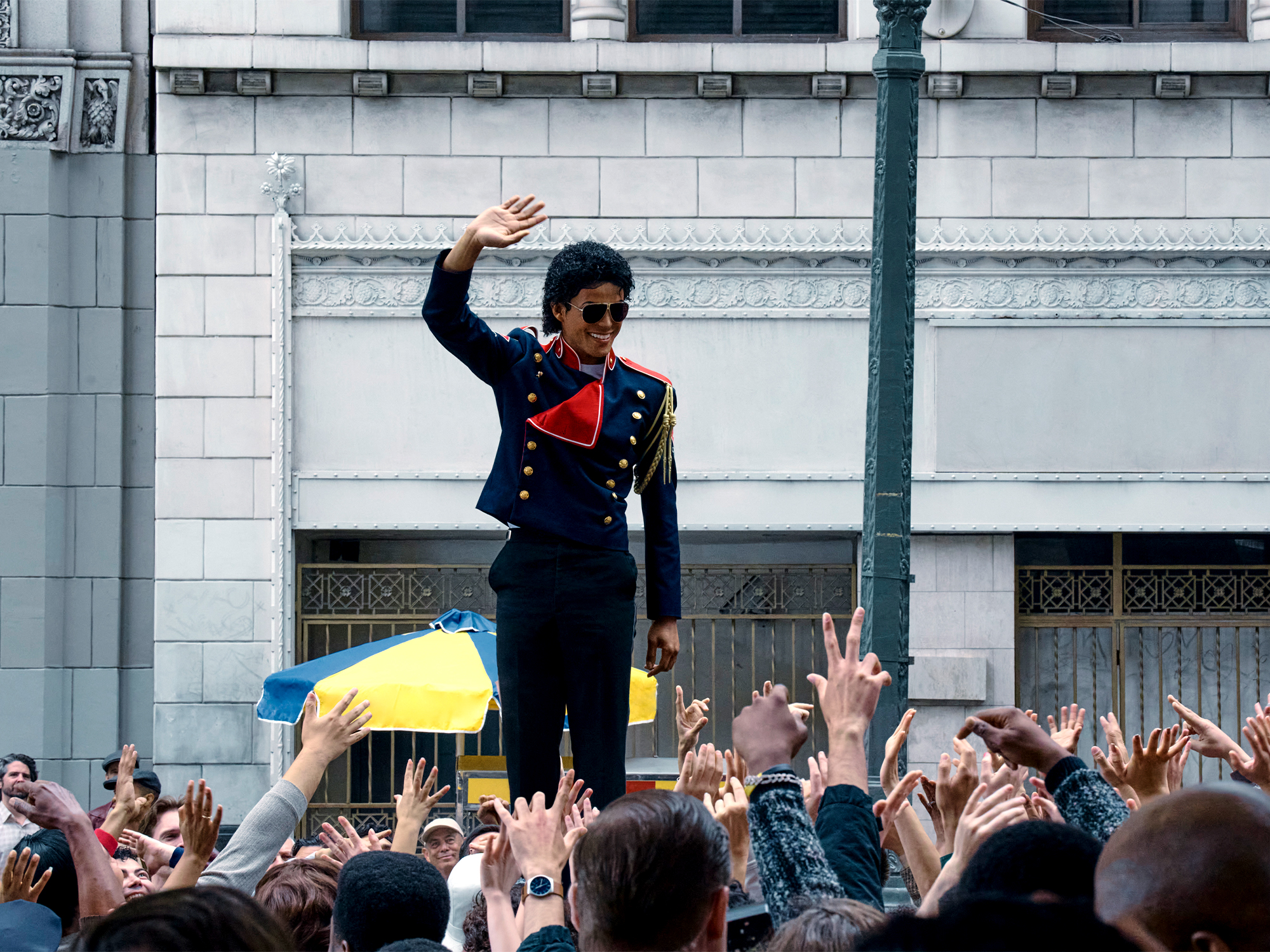
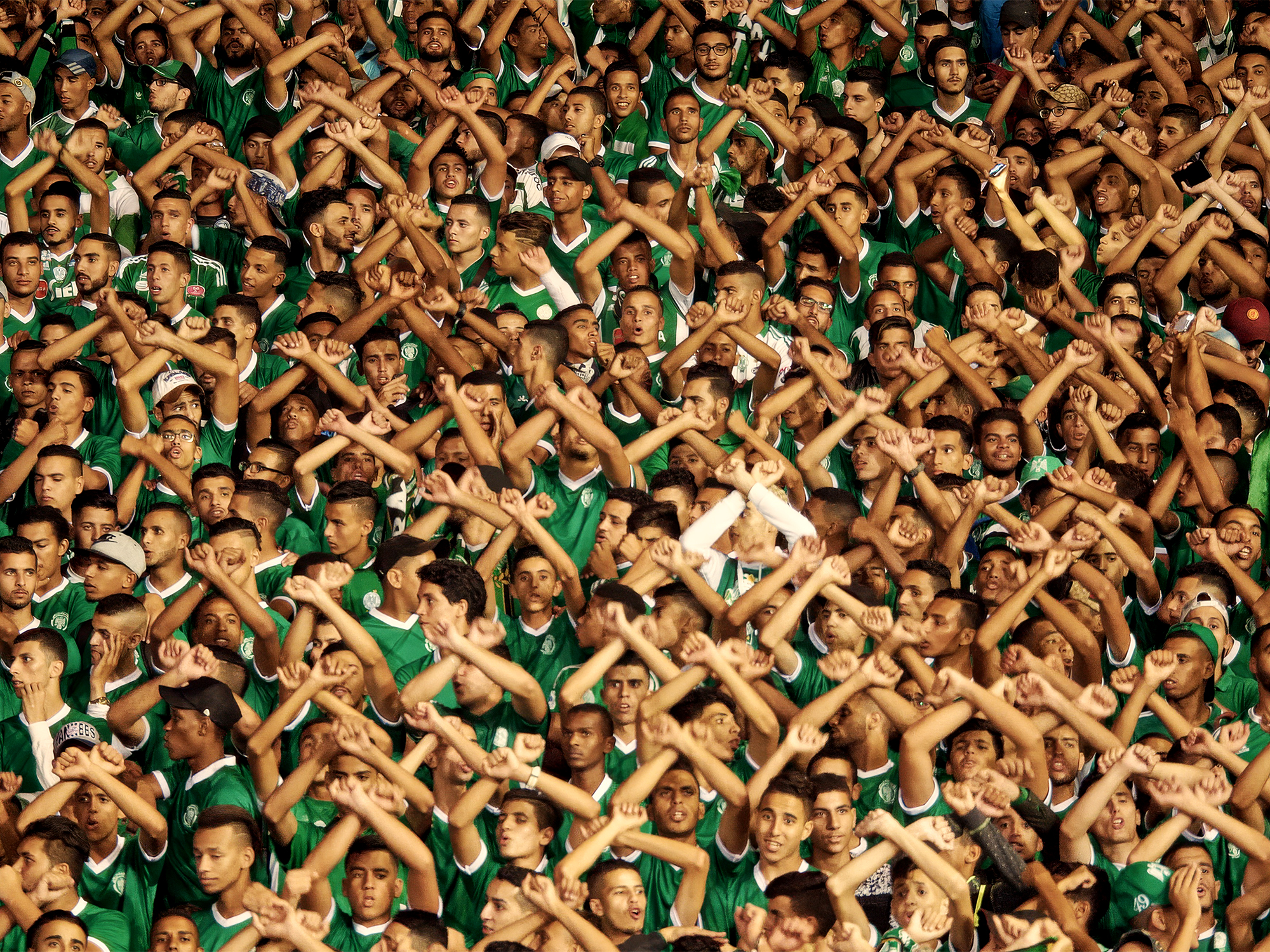
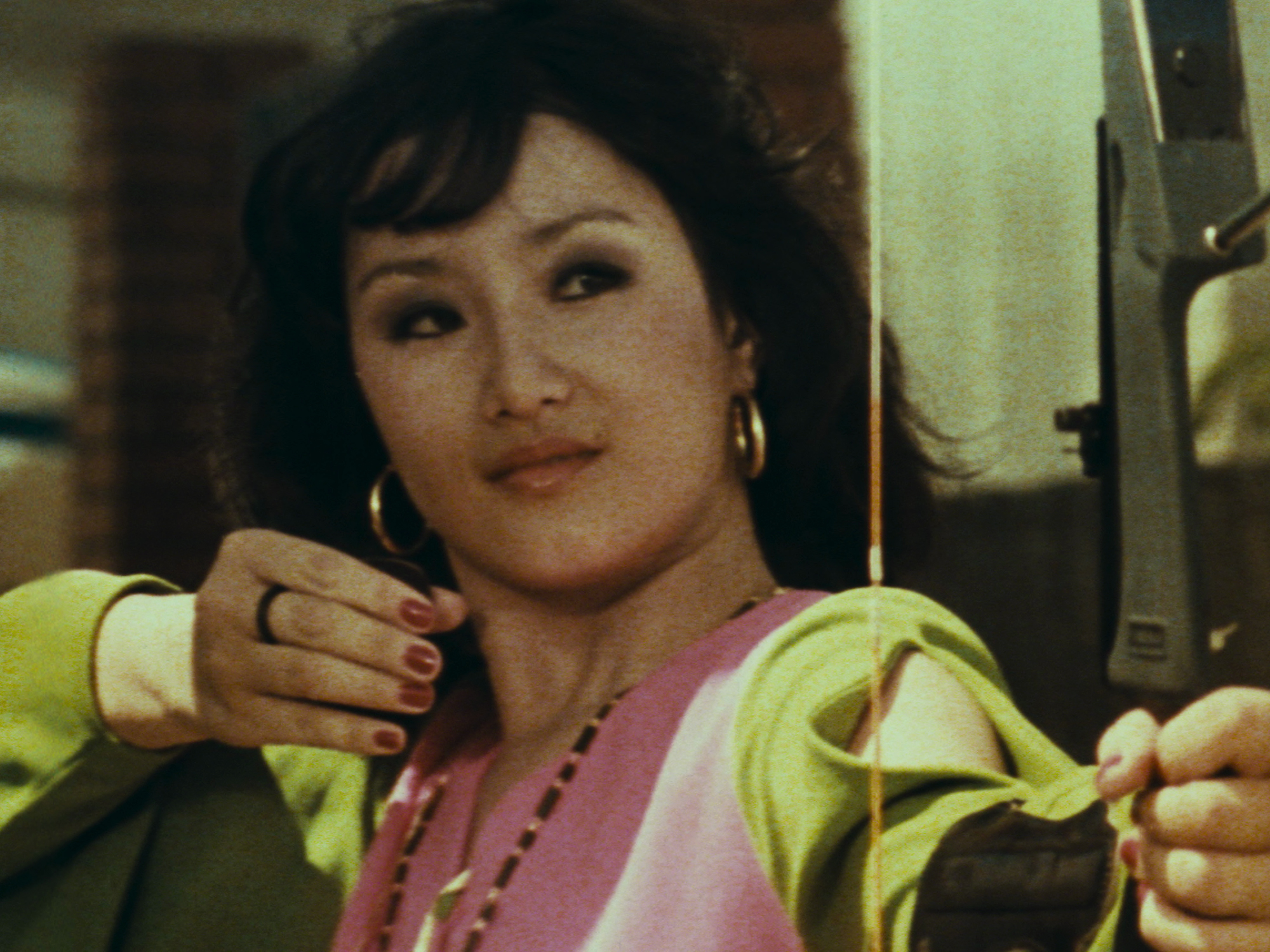
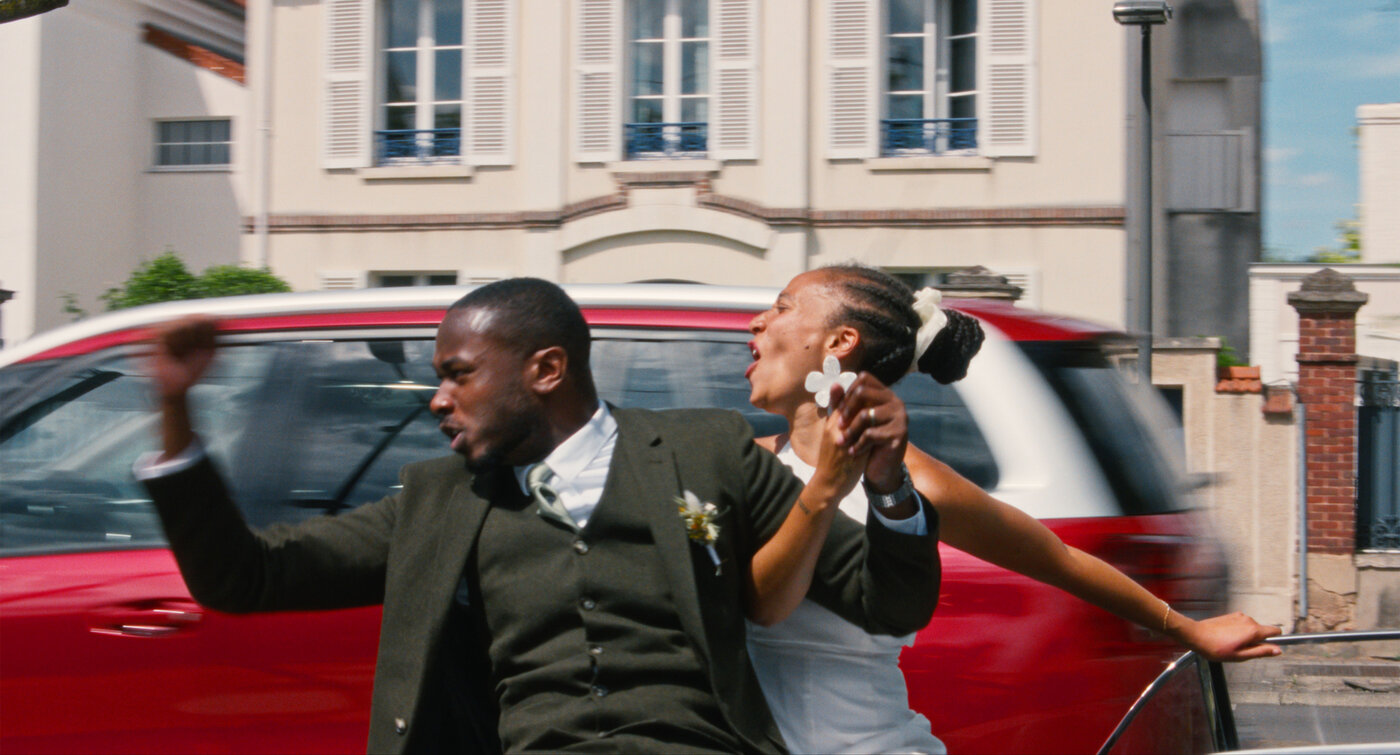
A recent survey from MUBI Notebook attempts to bypass this interpretive burden by asking filmmakers at the Berlinale to identify a single image or moment from their work that holds personal significance. The responses suggest that for many artists, the "best" part of a film is not necessarily its climax or its thematic core, but rather a fragment that captures the friction of production — moments where ingenuity or simple luck produced an effect that no script could have fully anticipated.
The Festival as Confessional
Film festivals have long served a dual function. They are marketplaces, where distribution deals are negotiated and critical reputations are forged, but they are also rare environments where filmmakers speak about their craft in something other than marketing language. The Berlinale, as one of the three major European festivals alongside Cannes and Venice, has historically cultivated a programming identity that favors political engagement and formal experimentation. Its audience — a mix of industry professionals, critics, and cinephiles — tends to be receptive to conversations that go beyond plot summary.
Yet even in this context, the standard press conference or post-screening Q&A tends to funnel discussion toward interpretation. Directors are asked what their film "says" about migration, or trauma, or modernity. The MUBI Notebook survey sidesteps this ritual by posing a deceptively simple question: not what does the film mean, but what single moment matters most to the person who made it. The distinction is significant. Meaning is constructed after the fact, often collaboratively between filmmaker and audience. A cherished moment, by contrast, is private — rooted in the specific conditions of its creation.
The answers that emerge from such exercises tend to cluster around two poles. Some filmmakers gravitate toward dramatic beats that crystallize the emotional architecture of the entire project. Others point to accidents: a shift in natural light during an exterior shot, an unscripted gesture from a non-professional actor, a sound captured on location that no foley artist could replicate. Both categories share a common thread — they resist the kind of tidy thematic packaging that festival discourse often demands.
Craft Against Narrative
This tension between the singular image and the finished narrative is not new to cinema. The French critic André Bazin wrote extensively about the photographic image's capacity to preserve a moment of reality that exceeds the filmmaker's intention. The Surrealists prized cinematic accidents precisely because they punctured the logic of storytelling. More recently, filmmakers working in hybrid documentary modes have built entire aesthetic programs around the productive collision between plan and chance.
What the MUBI Notebook survey captures, however modestly, is the persistence of this sensibility among working directors at a major institutional festival. The fact that filmmakers, when given the option, choose to talk about fragments rather than themes suggests that the creative process retains an irreducible particularity — one that the machinery of festival promotion tends to flatten.
There is a broader implication for how audiences engage with cinema. The impulse to extract a film's "message" can be a useful critical tool, but it can also function as a kind of closure, sealing off the work from the contingencies that shaped it. When a director identifies a fleeting trick of light as the moment that matters most, the gesture is not sentimental. It is a quiet assertion that the medium's power lies partly in what cannot be planned — and that the distance between intention and result is not a flaw to be corrected but a space where cinema actually lives.
Whether this kind of attention to the fragment can survive the accelerating pace of content production and algorithmic recommendation remains an open question. Festivals still provide a context where such conversations are possible. How long that context holds, and whether it can extend beyond the festival circuit into the broader culture of film consumption, is a tension worth watching.
With reporting from MUBI Notebook.
Source · MUBI Notebook