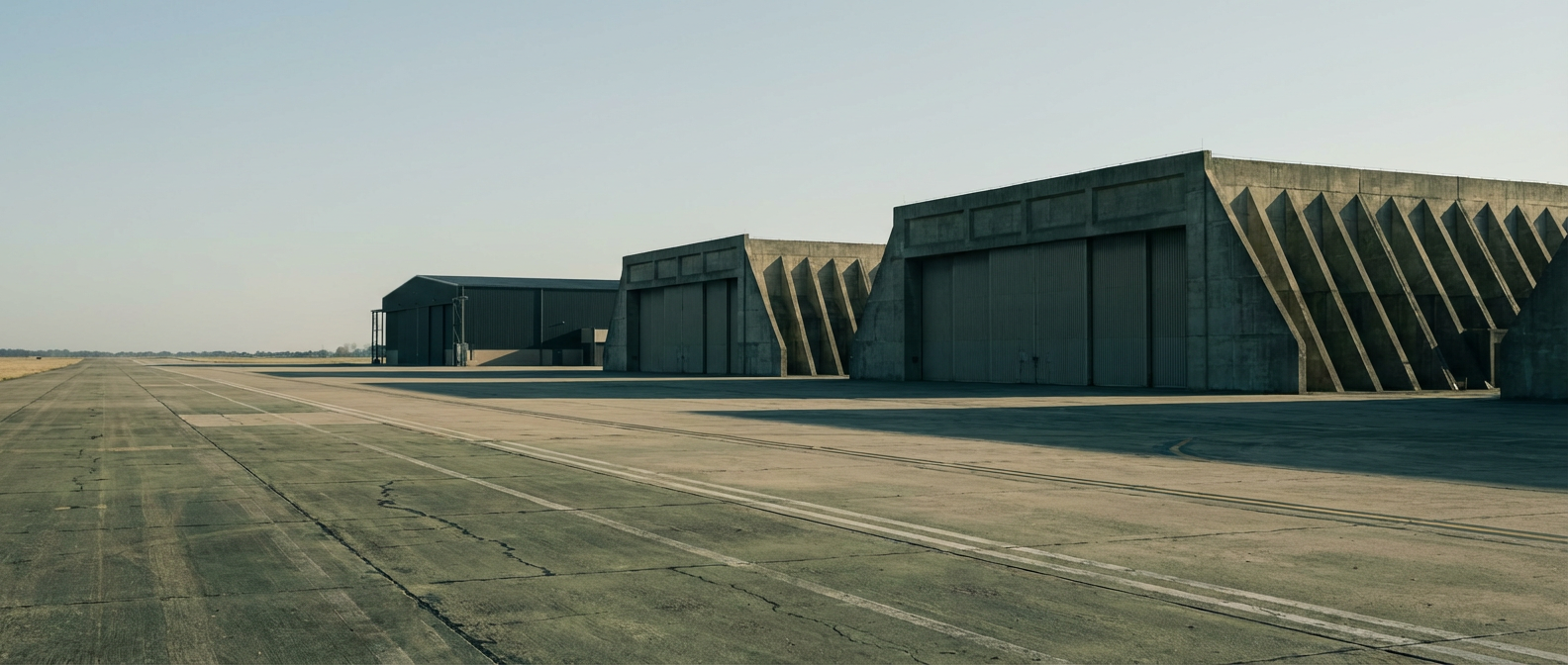
The United States Air Force has confirmed that it will continue to operate its existing fleet of B-1B Lancer and B-2 Spirit bombers well into the late 2030s. This decision comes as the service simultaneously begins the integration of the Northrop Grumman B-21 Raider into its operational inventory. The move highlights a deliberate transition period, ensuring that the Air Force maintains sufficient long-range strike capacity while navigating the complex logistics of fielding a new stealth platform.
According to reporting from Forbes, this extension of legacy assets reflects a pragmatic approach to defense modernization. Rather than a rapid retirement of Cold War-era airframes, the Air Force is opting for a phased overlap. This strategy acknowledges that the transition to the B-21 Raider—a platform designed for the modern era of contested airspace—cannot happen in a vacuum, as the current geopolitical climate demands a high volume of available sorties across multiple theaters of operation.
The Logic of Overlapping Capabilities
The decision to maintain the B-1B Lancer and B-2 Spirit for another decade or more is rooted in the fundamental constraints of defense acquisition and industrial base capacity. Modernizing a strategic bomber fleet is not merely a matter of hardware replacement; it involves a complex ecosystem of maintenance, pilot training, and infrastructure support. By retaining the B-1B and B-2, the Air Force avoids the risks of a capability gap that would occur if it were to retire older bombers too quickly before the B-21 reaches full operational status.
Furthermore, the B-1B Lancer, despite its age, offers unique capabilities in terms of payload capacity and speed that remain relevant in non-stealth-dependent environments. The B-2 Spirit, meanwhile, provides a specialized low-observable strike capability that remains highly effective, even as the B-21 is designed to surpass it. Maintaining these platforms allows the Air Force to distribute its mission sets, reserving the most advanced assets for the most challenging environments while utilizing legacy platforms for power projection in less contested regions.
This approach also serves as a hedge against the inherent uncertainties of new platform deployment. Every major aerospace program carries risks related to cost overruns, technical hurdles, and unforeseen delays. By keeping the B-1B and B-2 in the air, the Air Force ensures that its strategic deterrent and conventional strike options remain robust, regardless of the B-21's initial deployment timeline. It is a classic strategy of risk diversification in a sector where failure is not an option.
Industrial and Fiscal Realities
The fiscal implications of maintaining legacy airframes are significant, yet they are often viewed as a necessary investment in stability. The costs associated with extending the service life of these aircraft—including structural repairs, avionics upgrades, and engine maintenance—must be weighed against the cost of procuring a larger number of B-21 Raiders. In the current budgetary environment, where the Air Force must balance multiple modernization priorities, extending the life of proven assets is frequently the more cost-effective path to maintaining a credible force structure.
Beyond the budget, the industrial base faces its own set of challenges. The ability to produce, maintain, and upgrade high-end military aircraft is limited by the availability of skilled labor, specialized materials, and manufacturing facilities. By extending the operational life of the B-1B and B-2, the Air Force eases the pressure on the industrial base to ramp up B-21 production at an unsustainable rate. This allows for a more measured, predictable growth in the fleet, which is essential for long-term sustainability.
The mechanism of this transition is as much about logistics as it is about strategy. As the Air Force integrates the B-21, it must also manage the decommissioning of older systems in a way that does not strip the service of its operational depth. This requires a careful orchestration of personnel training, as crews must eventually transition from legacy platforms to the new technology, while also ensuring that the older aircraft remain mission-ready for the duration of their extended service lives.
Stakeholder Implications and Global Parity
For international stakeholders, the continued presence of the B-1B and B-2, alongside the introduction of the B-21, sends a clear signal of sustained U.S. commitment to global power projection. Competitors and allies alike will observe this as a sign that the Air Force is not merely replacing its fleet, but augmenting its overall strike capability. The ability to maintain a diverse mix of bombers—ranging from the high-speed, high-payload B-1B to the stealth-focused B-2 and B-21—provides the U.S. with a versatile toolkit for addressing a wide array of potential conflicts.
Regulators and defense policymakers must now navigate the tension between maintaining this diverse fleet and the pressures to modernize rapidly. The challenge lies in ensuring that the maintenance of legacy platforms does not cannibalize the resources needed for the B-21 program or for other emerging technologies such as autonomous systems. This requires a delicate balance, as the Air Force must remain at the cutting edge while also ensuring it does not become too reliant on a single, albeit advanced, platform.
The Outlook for Long-Range Strike
Looking ahead, the primary question remains how the Air Force will manage the inevitable decline of the B-1B and B-2 as they approach their final retirement dates in the late 2030s. The transition will likely be characterized by a gradual shift in the mission profile for these aircraft, moving from primary strike roles to supporting functions as the B-21 assumes the lead. The Air Force will need to determine the exact point of diminishing returns, where the cost of maintenance exceeds the operational value of the aircraft.
Furthermore, the evolution of drone technology and long-range precision munitions could alter the role of the bomber fleet entirely. As the Air Force explores the integration of collaborative combat aircraft and advanced long-range weapons, the traditional definition of a bomber may continue to expand. The coming decade will be a period of intense evaluation, as the Air Force learns how to best leverage the combination of legacy stealth, new-generation technology, and emerging unmanned systems to maintain its strategic advantage.
As the Air Force navigates this transition, the interplay between legacy maintenance and the integration of the B-21 will remain a focal point for defense analysts. Whether this strategy ultimately provides the necessary flexibility to meet evolving global demands or creates a burden that limits future modernization efforts is a question that will only be answered by the operational realities of the next decade. The path forward is one of careful calibration.
With reporting from Forbes
Source · Forbes — Business