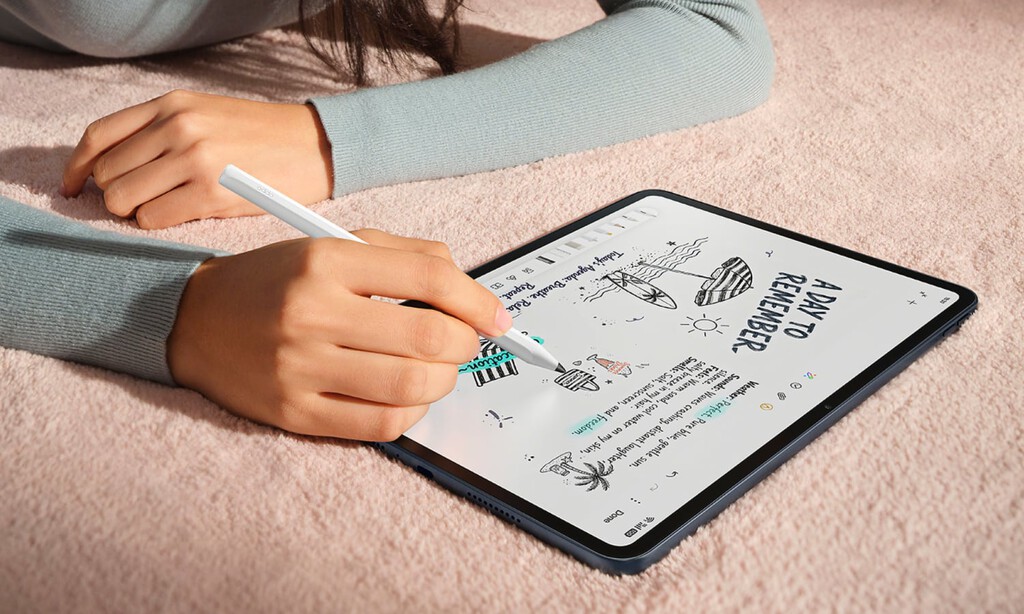
The tablet market, long caught in a liminal space between the smartphone’s portability and the laptop’s utility, is increasingly pivoting toward specialized productivity. Oppo’s latest release, the Pad 5, exemplifies this shift. Unveiled alongside a broader suite of hardware—including the Find X9 Ultra and the Watch 3 Titanium—the tablet arrives not as a mere media consumption device, but as a deliberate tool for digital creation.
The centerpiece of the Pad 5 is its 12.1-inch, 2.8K display, which adopts a 7:5 aspect ratio. This specific geometry is a departure from the cinematic widescreen standards of the past decade, designed instead to mimic the proportions of physical paper. By prioritizing vertical real estate, the device caters to the ergonomics of reading and writing, a focus reinforced by the introduction of the Oppo Pencil 2R and a suite of AI-driven tools intended to assist in content generation.
Under the hood, the hardware is built for endurance rather than raw spectacle. A 10,500 mAh battery supports the large-format screen, paired with 33W charging and four-speaker audio. While the tablet form factor offers little room for radical aesthetic innovation, Oppo is betting that a refined software ecosystem and a competitive price point—set at 399 euros—will justify its place in a crowded digital landscape. It is a play for the "prosumer" who views the screen not just as a window, but as a canvas.
With reporting from Xataka.
Source · Xataka