The lifecycle of the smartphone has shifted from a frantic sprint toward novelty to a more nuanced calculation of utility. In the current hardware landscape, the Apple ecosystem presents a tiered entry point, where the latest silicon must compete with the enduring relevance and lower price points of its own predecessors.
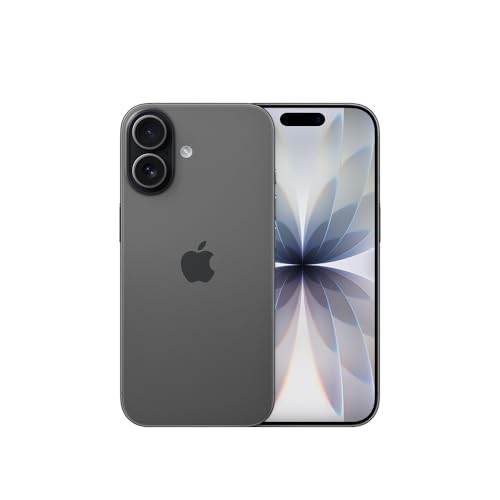
Current market listings highlight this widening spectrum. At the top of the stack, the iPhone 17 (256 GB) represents the brand’s current peak of mobile architecture, integrating advanced camera arrays and high-capacity storage for a price of R$ 6,299. It is a device designed for the power user for whom performance overhead is a necessity rather than a luxury.
Conversely, the secondary market offers a compelling study in hardware longevity. Models like the iPhone 13, a 2021 release powered by the A15 Bionic chip, and the even older iPhone 11, remain functional pillars within the market. These refurbished units, often priced significantly lower than their launch figures, reflect a growing consumer comfort with the circular economy. They prioritize the stability of the iOS ecosystem over the aesthetic allure of the newest chassis, proving that in a mature market, "new" is no longer the only metric of value.
With reporting from Olhar Digital.
Source · Olhar Digital