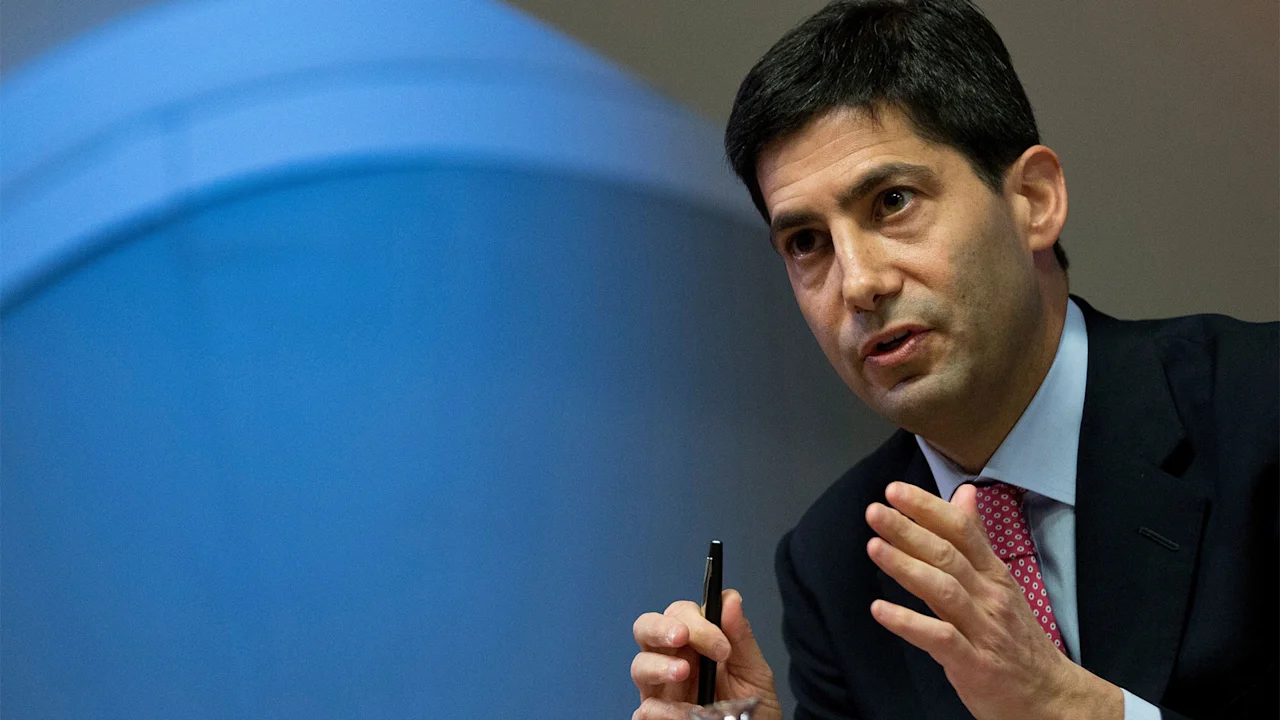
Kevin Warsh is stepping into a spotlight intensified by geopolitical friction and economic volatility. As he appears before the Senate Banking Committee on Tuesday, the former Federal Reserve official and wealthy investor finds the path to the central bank’s top job increasingly narrow. Inflation is once again a primary concern, driven in part by energy price spikes resulting from the conflict in Iran, making the interest rate cuts sought by President Donald Trump a difficult, if not risky, proposition.
The scrutiny Warsh faces is both ideological and financial. Democrats on the committee have signaled they will press him on the transparency of his personal finances, with recent disclosures revealing holdings exceeding $100 million. Beyond his portfolio, the hearing will likely center on the perception of his independence. With the president frequently demanding lower rates, Warsh must convince a skeptical legislature that he will prioritize institutional stability over political loyalty, even as other Fed officials argue for keeping rates unchanged to cool the economy.
Should Warsh eventually ascend to the chairmanship, he may encounter a rare and potentially awkward institutional arrangement. His predecessor, Jerome Powell, could remain on the Fed’s governing board—a situation that has not occurred since the late 1940s. This potential overlap underscores the friction of a central bank in transition, caught between the established norms of the current regime and the disruptive ambitions of the next, all while the global economy remains on a knife-edge.
With reporting from Fast Company.
Source · Fast Company