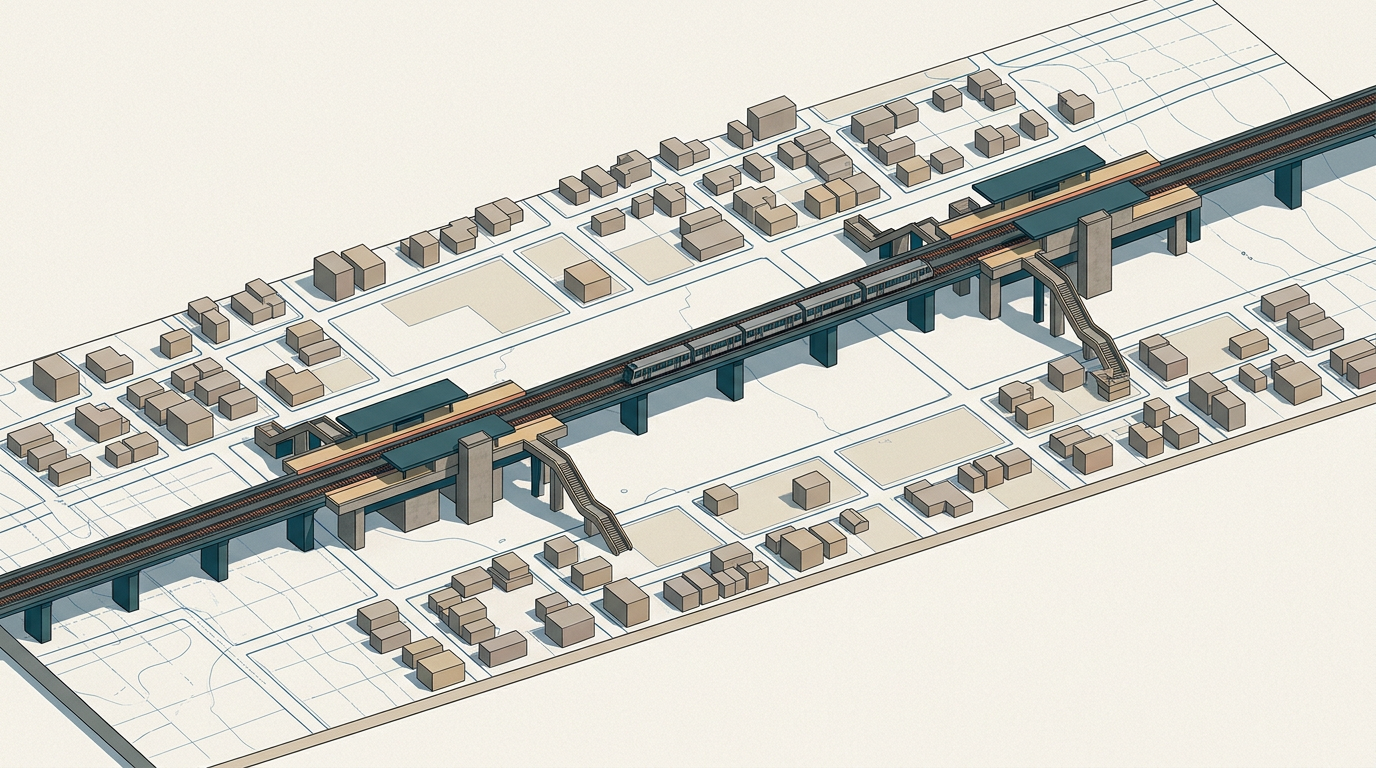
The inauguration of the Tren Maya in December 2023 was framed by the administration of then-president Andrés Manuel López Obrador as a transformative milestone for Mexico. Spanning over 1,500 kilometers across the states of Chiapas, Tabasco, Campeche, Yucatán, and Quintana Roo, the project was intended to serve as a catalyst for economic growth, tourism, and modernization in some of the country's most historically marginalized regions. With a global budget estimated to exceed $25 billion, the railway was positioned as a quintessential "magna project" designed to bridge the developmental gap between the industrial north and the rural southeast.
However, nearly two and a half years after its commencement, the reality on the ground presents a sobering contrast to the initial political rhetoric. According to reporting from Xataka, the project is currently grappling with low passenger numbers, underutilized hospitality infrastructure, and widespread frustration among local residents who feel excluded from the promised prosperity. The structural disconnect between the deployment of high-cost capital and the actual improvement of local living standards suggests a profound failure in the project's long-term planning and integration strategies.
The Fallacy of Infrastructure-Led Growth
The central premise of the Tren Maya was that connectivity would act as an automatic engine for regional development. This logic, often found in state-led infrastructure initiatives, assumes that the mere presence of a transportation artery will attract private investment, stimulate local commerce, and integrate regional labor markets into the national economy. Yet, the experience in the Yucatán Peninsula reveals the limitations of this top-down approach. While the construction phase itself generated a temporary economic spike—evidenced by a 13.2% growth rate in Quintana Roo during the building period—this momentum proved to be transient and highly dependent on public spending rather than sustainable commercial activity.
Following the conclusion of major construction works, the region experienced a sharp economic contraction of approximately 9.7% in early 2025. This volatility highlights a common pitfall in mega-projects: the "construction bubble" effect, where regional GDP is artificially inflated by the infusion of capital into physical assets that do not necessarily foster local productive capacity. When the project transitions from construction to operation, the lack of a diversified economic base leaves the surrounding communities vulnerable. The failure to leverage the railway to solve foundational issues, such as access to reliable water and electricity, underscores a misalignment between the government's focus on grand structural icons and the immediate, granular needs of the population.
Operational Hurdles and Institutional Control
Beyond the macroeconomic indicators, the operational dynamics of the Tren Maya provide a study in the complications of centralized management. The decision to transfer control of the railway to the Mexican military introduces a unique layer of institutional complexity. While the government argued that military oversight would ensure discipline and security, critics point to the inherent friction between military administrative structures and the needs of a commercial, tourism-focused transport system. The lack of transparency and the ongoing legal battles regarding the environmental and social compliance of specific segments, such as "Tramo 5" between Tulum and Cancún, further complicate the project's reputation and operational efficiency.
Furthermore, the hospitality sector, which was expected to be a primary beneficiary of the increased traffic, has struggled to find a viable business model. With monthly occupancy rates for new hotels in the area hovering between 5% and 24% for much of 2025, it is clear that the supply of infrastructure has significantly outpaced the actual demand from travelers. This misalignment indicates that the project may have been predicated on optimistic projections of tourism growth that failed to account for the actual logistics of the region or the preferences of potential visitors. The railway is currently operating in a vacuum where the infrastructure exists, but the ecosystem to support it remains underdeveloped.
Socio-Economic Disparities and Stakeholder Frustration
The human cost of this disconnect is most visible in the communities adjacent to the tracks. Reports of residents living in the shadows of high-voltage power lines intended for the train, yet lacking basic electricity in their own homes, serve as a potent symbol of the project's failure to deliver equitable benefits. For the local populace, the Tren Maya has become a physical manifestation of broken promises. The promise of an "aqueduct" to solve chronic water shortages in regions like Xpujil remains largely unfulfilled, leaving agricultural communities to rely on external resources despite the massive investment in the area's development.
For investors and regulators, the situation serves as a cautionary tale regarding the risks of prioritizing political legacy over social and economic utility. The reliance on informal labor, which still accounts for approximately 60% of employment in Yucatán, remains largely unaddressed by the current railway operations. Without a concerted effort to integrate the railway into a broader regional development plan that includes education, utility infrastructure, and support for small-scale local enterprises, the project risks remaining an expensive, underutilized asset that provides little value to the very people it was intended to serve.
Outlook and Persistent Uncertainties
As the project moves into its third year, the primary uncertainty lies in its long-term financial sustainability. The government faces a difficult choice: continue to subsidize the operations of an underperforming, state-controlled asset, or attempt to pivot the project toward a more market-oriented model that might require significant restructuring. The lack of clear benchmarks for success beyond the completion of the tracks leaves analysts and citizens alike wondering how the administration plans to bridge the gap between the current state of stagnation and the original vision of regional prosperity.
Looking ahead, the focus will likely shift to whether the government can improve the integration of the railway with local industries and public services. However, the path to correcting these systemic issues is narrow and fraught with bureaucratic and financial constraints. Whether the Tren Maya eventually evolves into a functional regional transport network or remains a cautionary example of infrastructure overreach will depend on the government's willingness to address the structural failures that have emerged since its inception.
As the administration of Claudia Sheinbaum navigates the challenges of managing such a complex legacy project, the fundamental question remains whether the state can pivot from the construction of grand physical assets to the more difficult, less visible work of fostering sustainable regional development. The history of large-scale infrastructure projects suggests that without such a shift, the economic and social dividends of the Tren Maya will remain elusive, leaving the region to grapple with the consequences of a vision that was perhaps too ambitious in scale and too narrow in its focus on physical connectivity alone.
With reporting from Xataka
Source · Xataka


