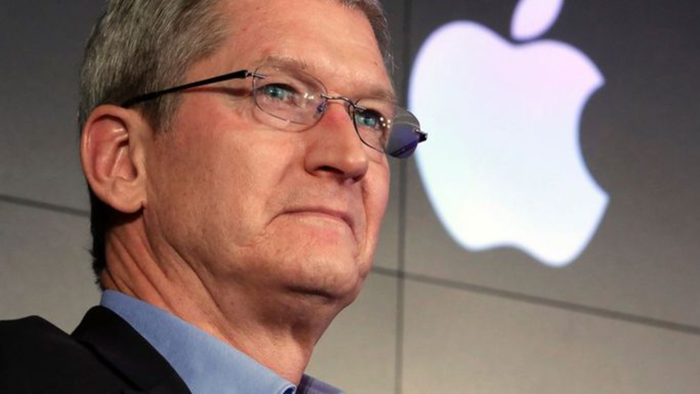
When Tim Cook took the helm of Apple in August 2011, he was tasked with the unenviable job of succeeding a myth. Steve Jobs had provided the spark; Cook provided the engine. Apple has now announced that this era of unprecedented operational scaling will conclude on September 1, 2026, when Cook steps down as CEO to become the company’s executive chairman. He will be succeeded by John Ternus, the current senior vice president of hardware engineering, signaling a transition that feels both calculated and inevitable.
Cook’s tenure has been defined less by the invention of new categories and more by the relentless optimization of existing ones. Under his watch, Apple’s market valuation swelled tenfold, transforming a successful consumer electronics firm into a global economic pillar. While Jobs gave the world the iPhone and the iPad, Cook built the supply chains and services ecosystems that made them ubiquitous, growing annual revenue from $108 billion in 2011 to the multi-trillion-dollar heights of the modern era.
The timing of the announcement caught Wall Street off guard, arriving just days before the company’s quarterly earnings report. Apple shares dipped slightly in after-hours trading, a minor tremor reflecting the market’s inherent discomfort with the departure of a leader who prioritized stability and predictable growth. In Ternus, Apple appears to be choosing a successor who bridges the gap between Cook’s disciplined management and the company's core identity as a hardware innovator.
With reporting from Canaltech.
Source · Canaltech