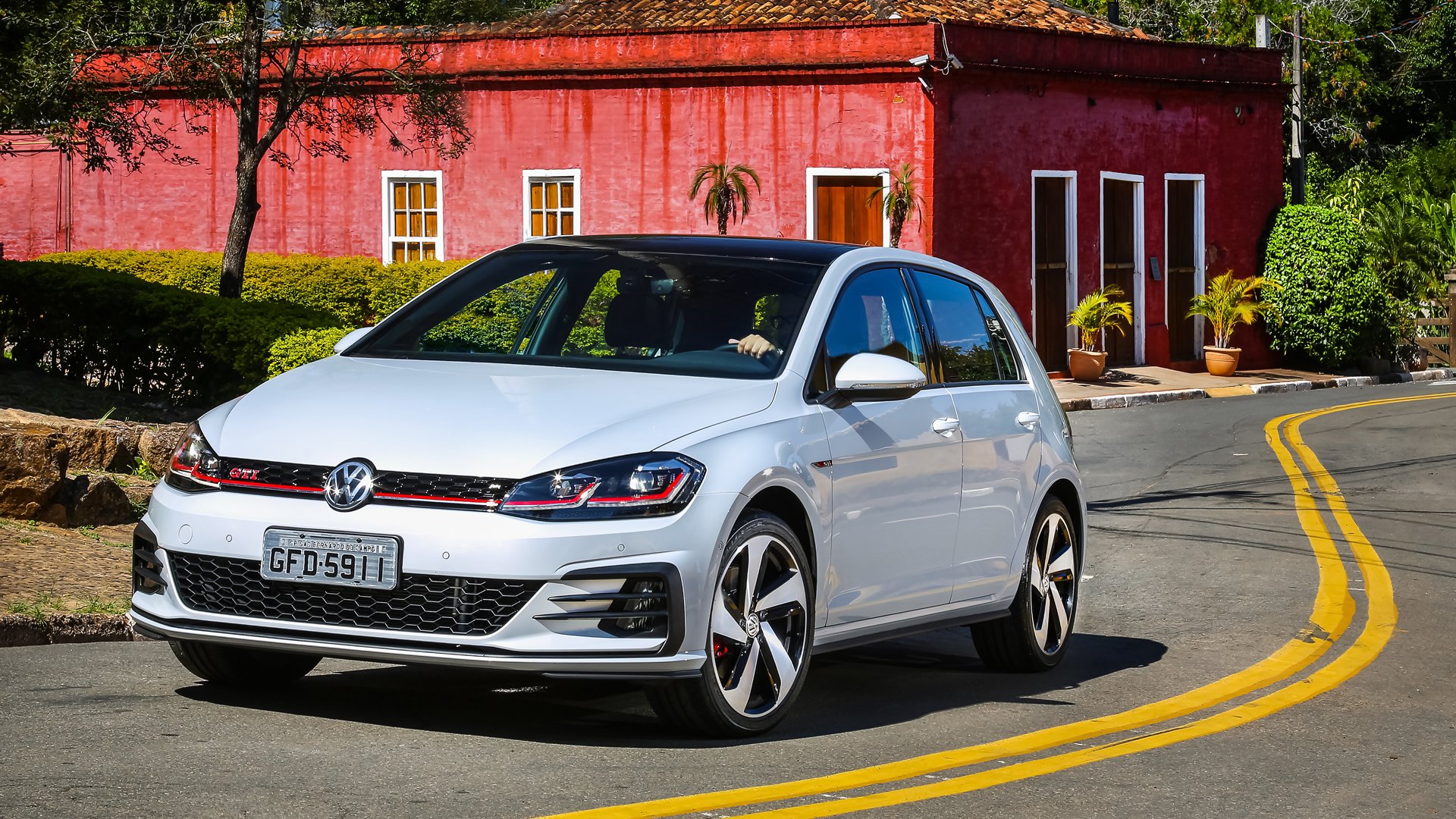
The long-gestating trade agreement between the European Union and Mercosul is poised to do more than just streamline agricultural exports; it may fundamentally recalibrate the premium automotive market in South America. Speaking in Hanover, Volkswagen CEO Thomas Schäfer indicated that the deal’s ratification would significantly lower the cost of importing German-made vehicles to Brazil, specifically citing high-performance models like the Golf GTI as primary beneficiaries of the shifting tariff landscape.
For years, high import duties and complex regulatory barriers have acted as a ceiling for European manufacturers seeking to maintain a competitive edge in the Brazilian market. The new accord represents a strategic pivot toward deeper industrial integration between Berlin and Brasília. By reducing these fiscal hurdles, Volkswagen aims to reposition its flagship German engineering not merely as a luxury curiosity, but as a more accessible fixture of the regional market.
Beyond the immediate pricing of individual models, the agreement signals a broader commitment to stabilizing supply chains and fostering a more predictable economic corridor between the two blocs. As trade barriers dissolve, the movement of high-value industrial goods is expected to accelerate, marking a new chapter in the transatlantic exchange of technology and manufacturing expertise.
With reporting from Exame Inovação.
Source · Exame Inovação