Apple's Worldwide Developers Conference is, by design, a controlled environment — a stage where the company decides which futures to narrate and which to leave in the margins. At this year's edition, according to reporting from The Verge and TechCrunch, Apple previewed software updates across the bulk of its platform lineup under a unified "27" versioning banner. What was missing, beyond a single slide listing all current Apple operating systems, was any substantive mention of tvOS.
The absence was not a technical omission. tvOS appeared in the graphic — acknowledged, numbered, present. But it received no dedicated segment, no feature walkthrough, and no developer guidance during the keynote itself. The Verge flagged the gap directly. Whether this reflects a deliberate deprioritization of the Apple TV platform, a quiet holding pattern ahead of a separate announcement, or simply a conference format that ran out of room is not clear from the available reporting.
A Conference Structured Around Selective Disclosure
This year's WWDC was, by multiple accounts, structured differently from previous editions — though the precise nature of those structural changes is only partially described in the available signals. What is clear is that Apple used the event to showcase a range of AI-driven features across its core platforms, with Safari receiving particular attention: according to The Verge, Apple is deploying AI to address longstanding limitations in Safari's extension ecosystem, a move that reframes a chronic weakness as a design opportunity.
The AI framing at WWDC also carried institutional weight beyond product announcements. TechCrunch reported that Apple's AI demonstrations this year appeared more carefully calibrated following a $250 million settlement over false advertising claims tied to earlier AI feature promises — a settlement that, if accurate, would represent a significant legal and reputational forcing function on how the company presents unshipped capabilities. Apple has not publicly confirmed the settlement figure, and TechCrunch's report should be treated as reported rather than confirmed at this stage.
tvOS and the Quiet Platforms Problem
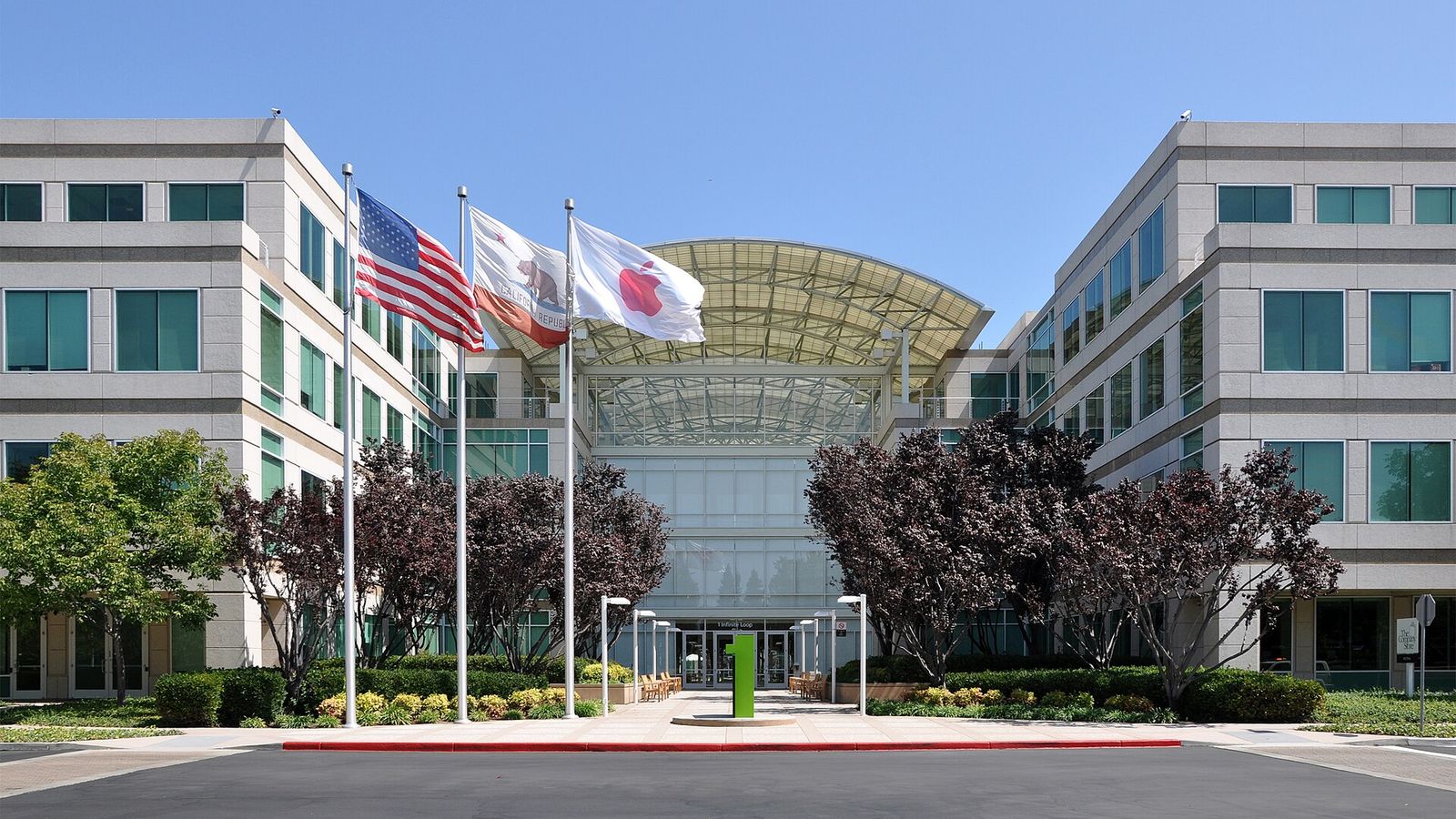
Apple, the Cupertino-based technology company whose hardware and software ecosystem spans more than two billion active devices globally, has long maintained tvOS as a functional but lower-profile platform. The Apple TV hardware line has not seen a major update cycle in some time, and the television operating system has historically received thinner developer attention than iOS or macOS. The absence of tvOS from WWDC's main stage does not confirm a strategic retreat — but it does fit a pattern of the platform receiving less institutional energy than its siblings.
The Verge's separate roundup of 44 features announced at WWDC — spread across iOS, iPadOS, macOS, watchOS, and visionOS — underscores how much ground Apple covered elsewhere. That breadth makes the tvOS silence more conspicuous, not less. Developers building for the living room now have little new guidance to work from, at least based on what was publicly presented at the keynote.
Whether Apple addresses tvOS through a separate release, a developer note, or simply a quieter software update later in the year remains to be seen. The platform's absence from the main stage is a data point, not a verdict — but it is the kind of data point that developers and platform watchers tend to remember when the next hardware cycle comes around.
With reporting from The Verge, TechCrunch
Source · The Verge