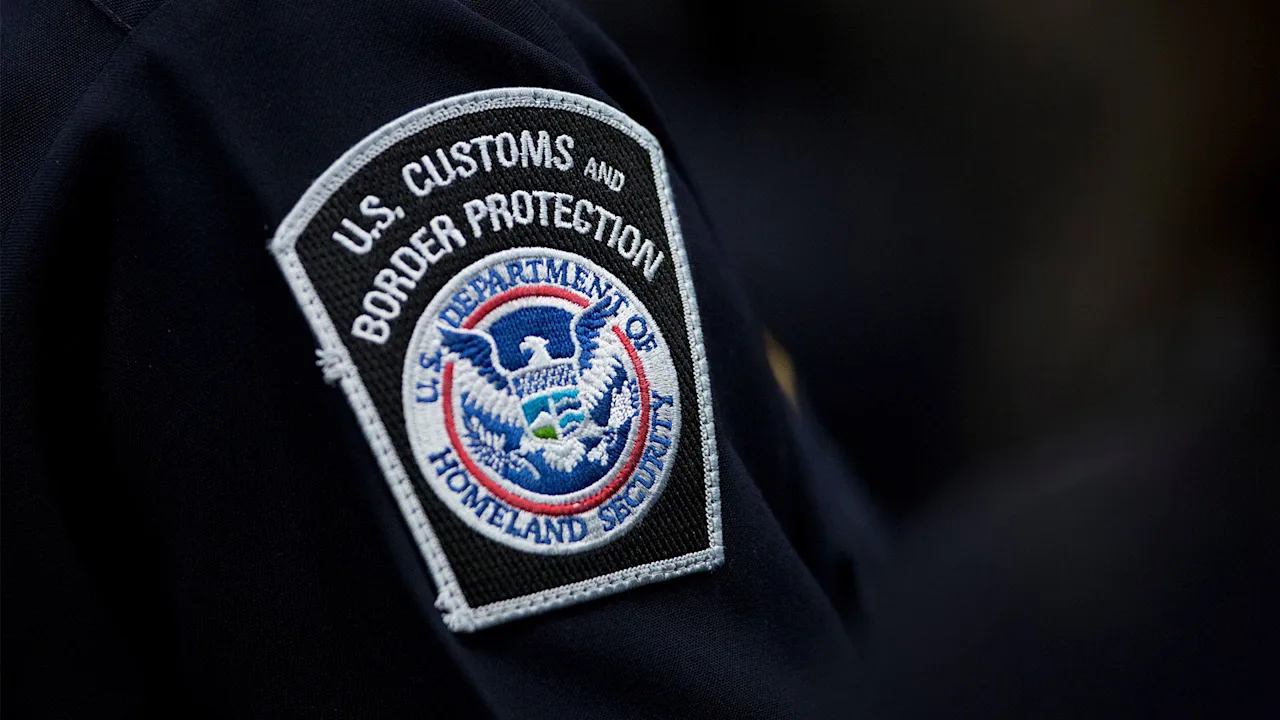
The machinery of federal restitution began its slow churn this week as U.S. Customs and Border Protection (CBP) launched an online portal for businesses to reclaim billions in tariff payments. The system follows a landmark 6-3 Supreme Court decision in February, which determined that President Trump overstepped constitutional bounds by unilaterally imposing import taxes. The court found that by citing the trade deficit as a national emergency to invoke the 1977 International Emergency Economic Powers Act, the executive branch had effectively usurped Congress’s exclusive authority to set tax rates.
The recovery process promises to be as bureaucratic as the taxes were controversial. Importers and brokers must now submit detailed declarations for goods affected by the struck-down rates. While the portal is live, the CBP has cautioned that refunds will be processed in phases, prioritizing more recent payments. Once a claim is approved, the agency estimates a wait of 60 to 90 days before funds are actually issued. Technical hurdles and the sheer volume of claims mean that the financial relief will likely arrive in a trickle rather than a flood.
While the immediate beneficiaries are the corporations that paid the taxes directly, the ruling carries implications for the broader economy. There is a secondary, more complex hope that these refunds might eventually reach consumers who bore the brunt of price hikes on imported goods. However, given the procedural labyrinth ahead for businesses, any "trickle-down" reimbursement to the public remains a distant prospect. For now, the portal stands as a quiet admission of constitutional overreach, attempting to undo the fiscal impact of a trade policy ruled fundamentally flawed.
With reporting from Fast Company.
Source · Fast Company