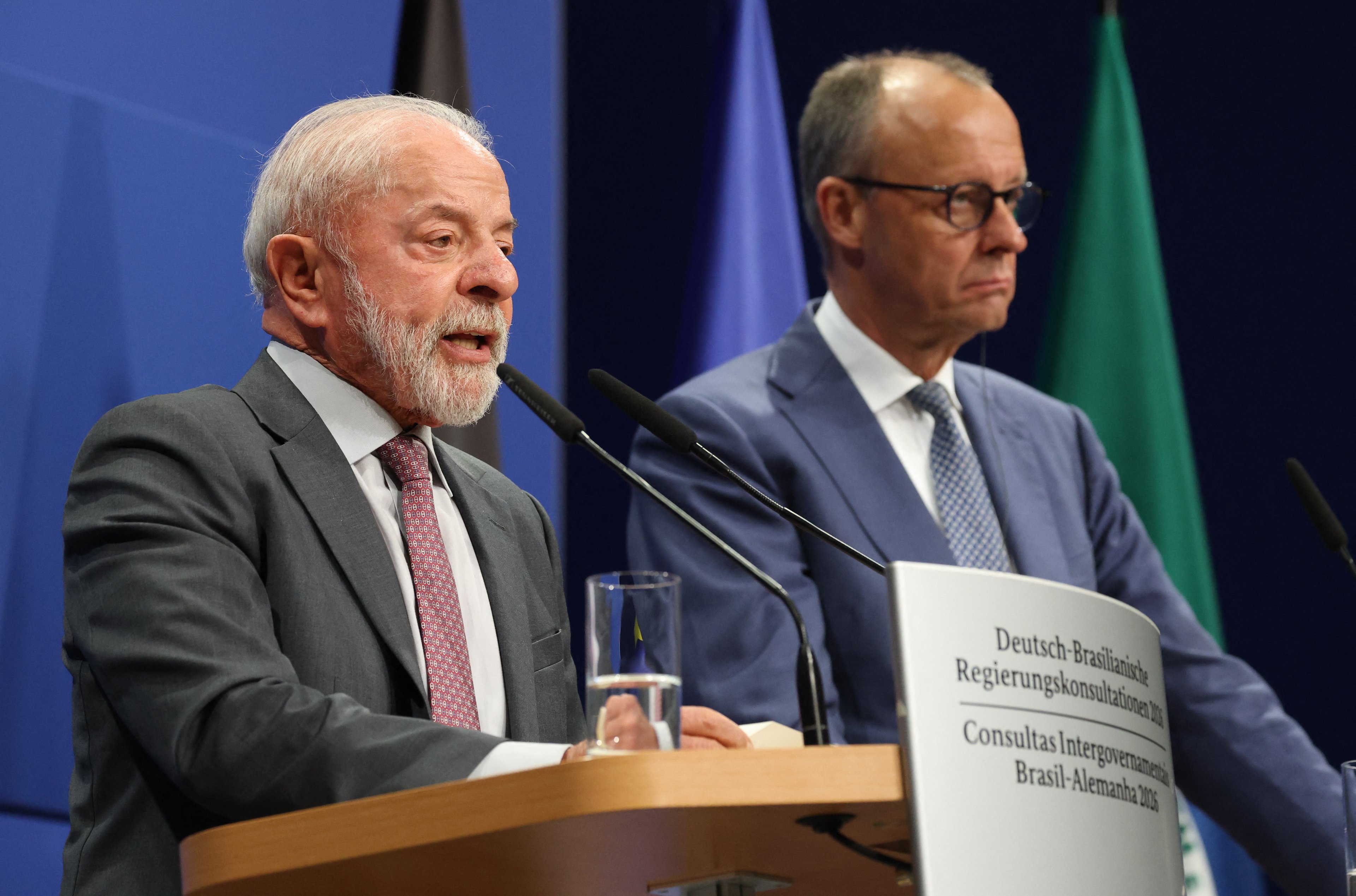
During a high-profile visit to Hannover, Germany, Brazilian President Luiz Inácio Lula da Silva articulated a vision for his country that leans heavily on its agricultural prowess to redefine global energy markets. Lula’s rhetoric was pointed: Brazil, he suggested, is poised to become the \"Saudi Arabia of biofuels,\" a comparison that underscores the nation's ambition to dominate the renewable fuel sector much as the Gulf states have dominated oil.
The pitch is part of a broader diplomatic effort to secure new partnerships and solidify Brazil’s standing as a cornerstone of the green transition. By framing biofuels—ethanol and biodiesel—as the logical successors to fossil fuels, Lula is attempting to pivot the national economy toward a high-value, low-carbon export model that appeals to a decarbonizing Europe.
Lula also took the opportunity to address long-standing criticisms regarding the trade-offs between energy and agriculture. He dismissed claims that a surge in biofuel production would compromise food security as \"lies,\" asserting that Brazil can balance its role as a global breadbasket with its aspirations in the energy sector. For the administration, the challenge lies in proving that its land-use policies can support this dual identity while maintaining environmental credibility on the world stage.
With reporting from Exame Inovação.
Source · Exame Inovação