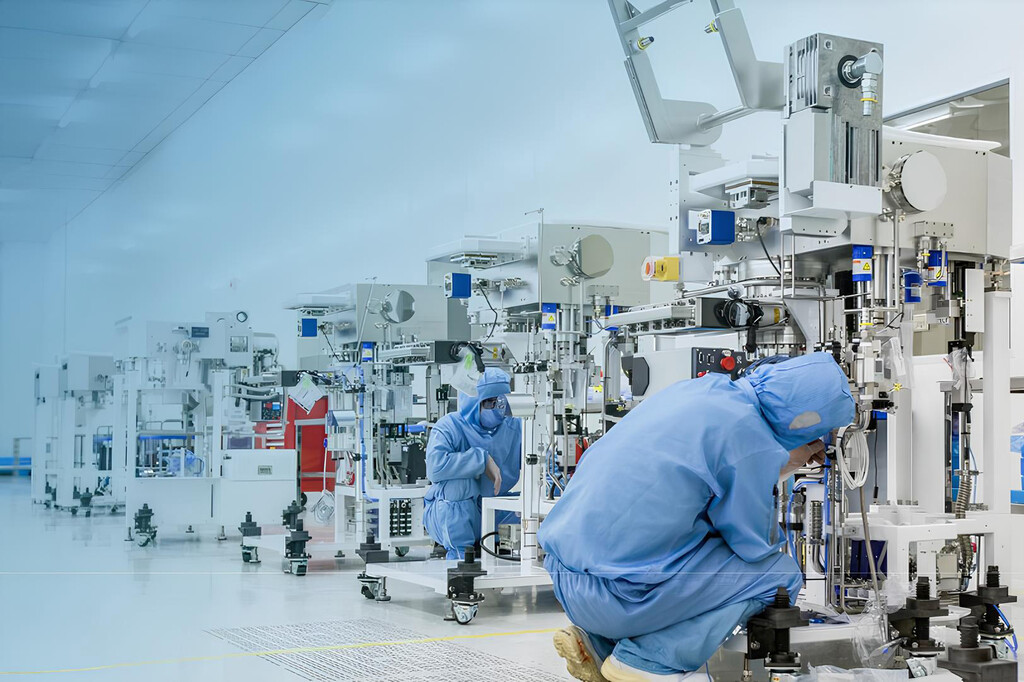
The global semiconductor landscape is undergoing a forced reorganization. For years, Western and Japanese firms like ASML and Applied Materials found their most lucrative growth in China. But recent data suggests the tide is turning. ASML, the Dutch lithography giant, saw its China-derived revenue drop from 41 percent in 2024 to 33 percent in 2025, with projections suggesting a slide to just 20 percent by next year. American firms are seeing similar retreats: Applied Materials’ share of sales in China fell from 37 percent to 30 percent in a single year, while Lam Research and KLA report comparable declines.
This retreat is less a choice and more a consequence of a tightening geopolitical pincer movement. On one side, escalating U.S. export controls have barred the delivery of the most sophisticated lithography and wafer-processing hardware to Chinese shores. On the other, the Xi Jinping administration has responded with a massive state-backed push for "technological sovereignty," incentivizing domestic chipmakers to replace foreign gear with homegrown alternatives.
The results of this internal pivot are becoming visible on the factory floor. Domestic tools now represent roughly 35 percent of the equipment in use across China’s integrated circuit plants. Beijing’s ambitions are even more aggressive for the immediate future, targeting a 50 percent domestic adoption rate for all new semiconductor facilities by 2026. While the highest-end nodes remain a challenge, China is proving that for the vast majority of the market, self-sufficiency is no longer a distant theoretical goal, but a rapidly approaching reality.
With reporting from Xataka.
Source · Xataka