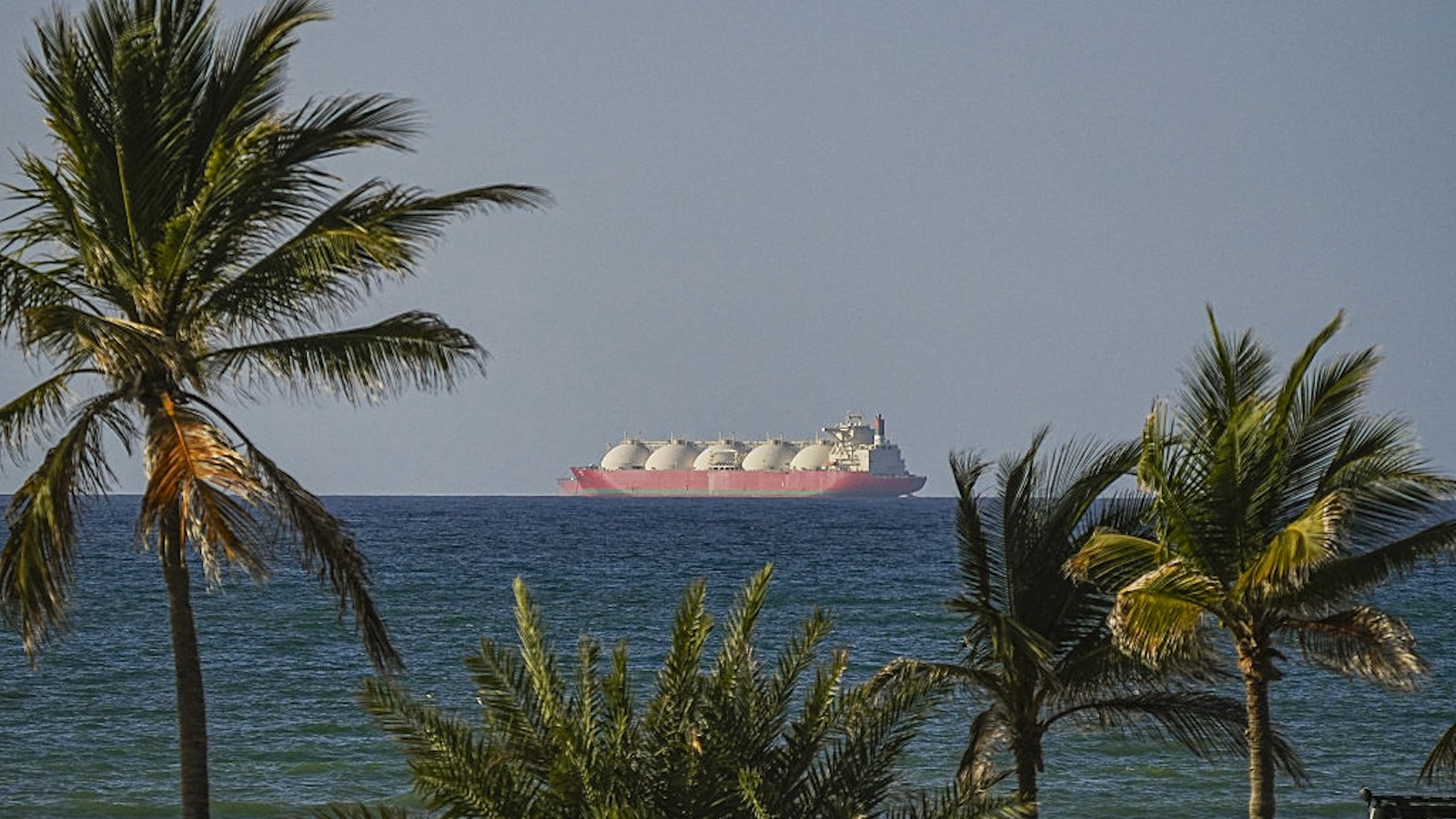
Global shipping is currently navigating a dual crisis of security and sustainability. For weeks, the industry has contended with the effective closure of the Strait of Hormuz and the Red Sea—arteries that carry a fifth of the world’s oil supply. Iranian seizures and Houthi rebel threats have forced hundreds of vessels into costly detours around the Cape of Good Hope, adding weeks to transit times and driving crude oil prices to levels that have upended traditional maritime economics.
This volatility has created an unexpected opening for green energy. As traditional maritime fuel costs spike, certain biofuels have, for the first time, become more cost-effective than their fossil-fuel counterparts. It is against this backdrop of instability that the International Maritime Organization (IMO) is meeting this week. The UN agency, representing 176 nations, is attempting to finalize a net-zero framework that would impose a mandatory fee on every ton of greenhouse gas emissions produced by the sector.
Shipping remains one of the most difficult industries to decarbonize, accounting for roughly 3 percent of global emissions. The proposed carbon levy represents a seismic shift in how international trade is regulated, potentially generating billions to fund the transition to cleaner propulsion. Yet, the consensus required for such a policy remains elusive, caught between the immediate pressures of a fractured global supply chain and the long-term necessity of a post-carbon future.
With reporting from Grist.
Source · Grist