The waiting rooms of dermatological clinics are witnessing a demographic shift. Historically the domain of aging men, these spaces are increasingly occupied by women aged 18 to 25. Recent data suggests that one in four young women is now grappling with significant hair thinning—a phenomenon driven by a "perfect storm" of cultural aesthetics and pharmaceutical intervention.
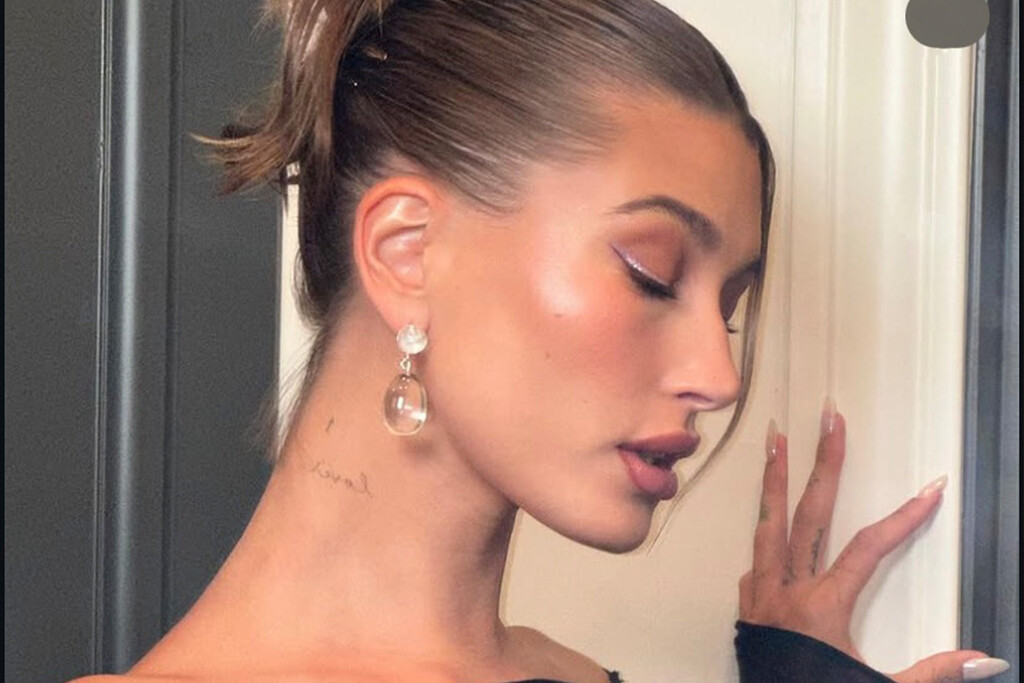
At the heart of this crisis is the "clean look," a TikTok-born aesthetic that demands clinical neatness and tightly slicked-back hair. While visually minimalist, the physical toll of these styles is high; the constant tension required to achieve the look can lead to traction alopecia, where the hair follicle is damaged by repetitive strain. This pursuit of a polished, effortless facade is, ironically, compromising the very health of the hair it seeks to showcase.
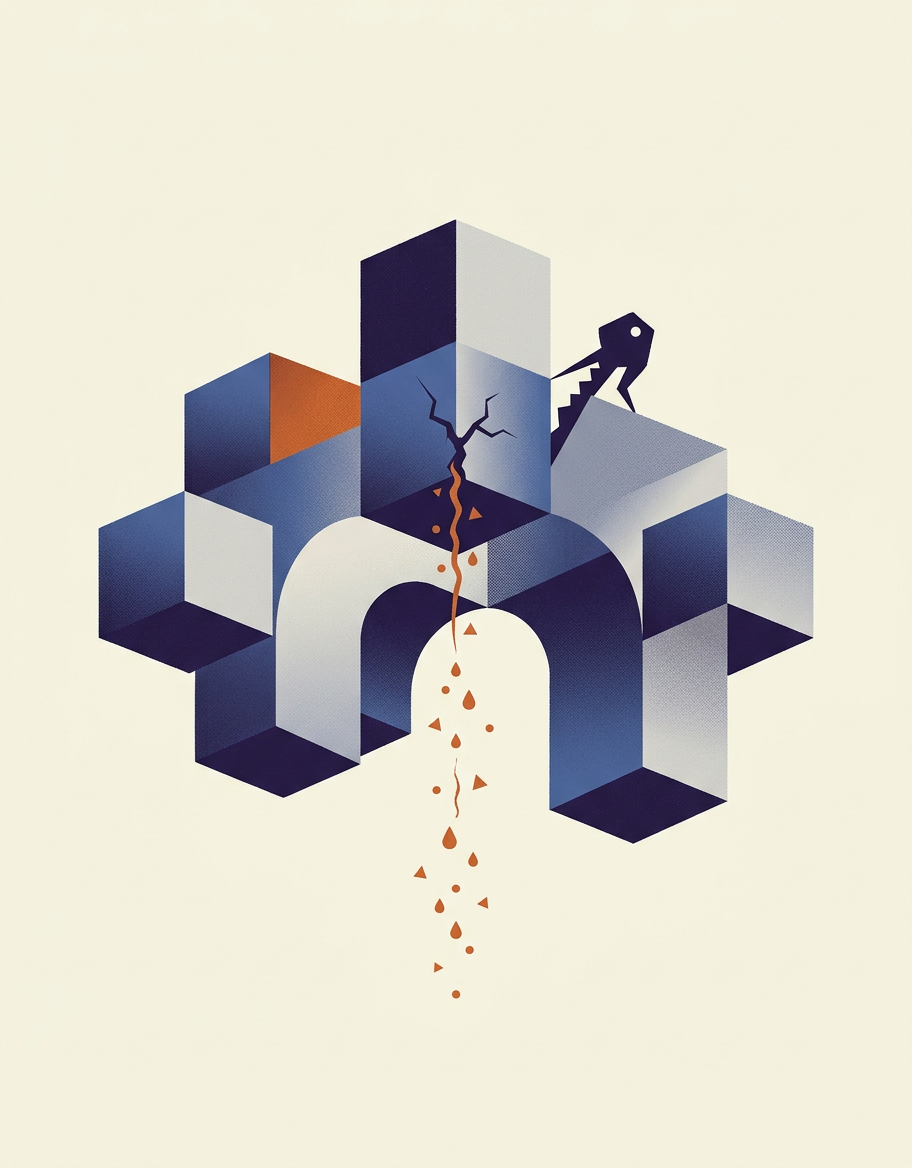
The issue is further compounded by the rise of GLP-1 agonists like Ozempic. As these drugs move from clinical necessity to lifestyle tools for rapid weight loss, the physiological shock to the body often manifests as telogen effluvium. This distressing shedding occurs when the body, stressed by sudden caloric deficits or metabolic shifts, prematurely pushes hair follicles into a resting phase.
For a generation already navigating the pressures of digital hyper-visibility, the psychological impact of hair loss is profound. What begins as an attempt to meet a viral standard of beauty often ends in a cycle of anxiety and diminishing self-esteem. As the "clean look" persists on social feeds, the medical reality behind the filter is becoming increasingly difficult to ignore.
With reporting from Xataka.
Source · Xataka