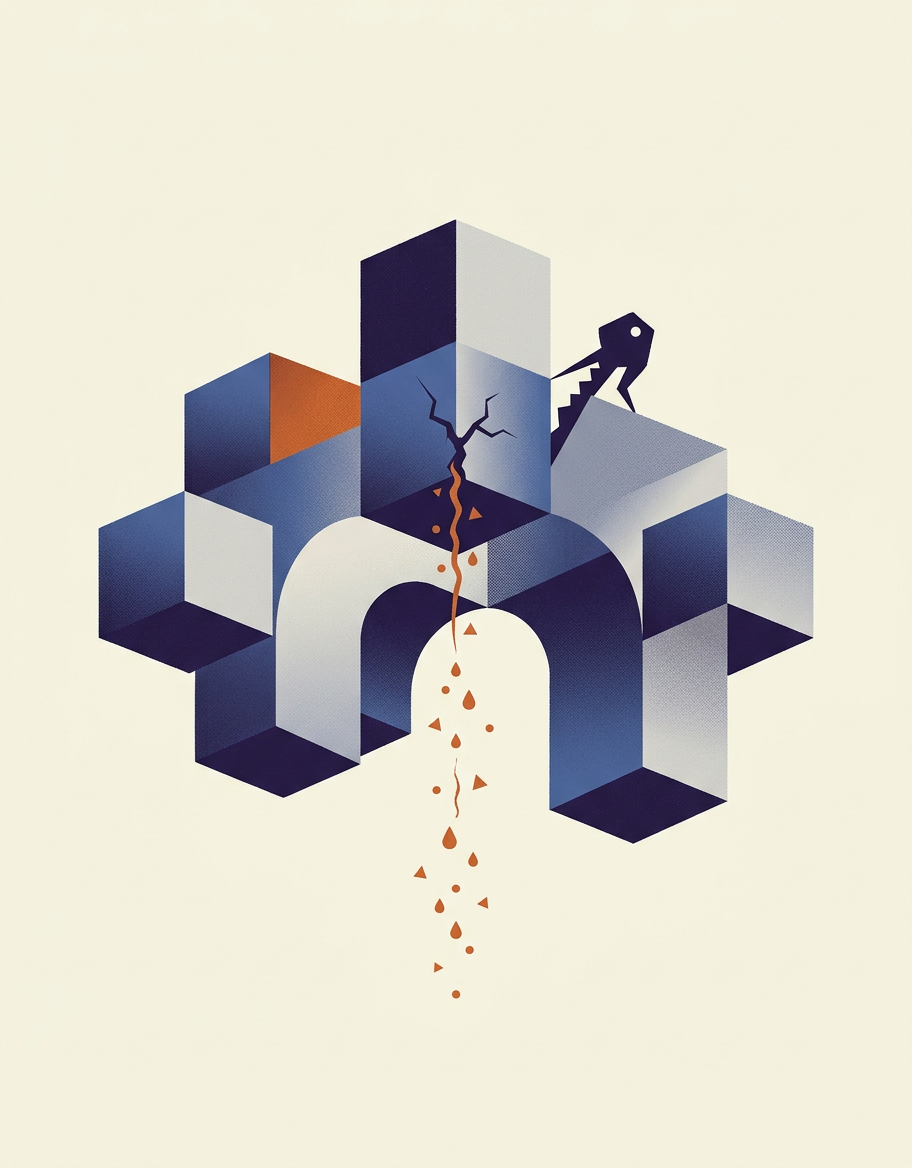
The notion that excellence is a habit, not an act, is a cornerstone of Aristotelian ethics that remains remarkably relevant in an era obsessed with optimization. Success, in this framework, is stripped of its mythological status as a stroke of luck or a singular burst of genius. Instead, it is reframed as the cumulative result of consistent, often mundane, repetitions. It is the architecture of the day-to-day that dictates the long-term trajectory of an individual’s life and work.
From a behavioral perspective, this philosophy aligns with how the brain processes automation. By turning productive actions into defaults, we reduce the cognitive friction of decision-making. When a behavior becomes a habit, it requires less willpower to execute, allowing the mind to focus on higher-order complexities. This automation is a double-edged sword, however; just as positive habits build a foundation for success, negative ones can quietly erode character and performance through the same mechanism of repetition.
Ultimately, the Aristotelian view suggests that we are the sum of our repetitions. Success is not an endpoint to be reached but a state maintained through discipline and awareness. By prioritizing the small, consistent actions that shape our routines, we move away from the unpredictability of inspiration and toward a more reliable, systemic form of achievement. Time, in this equation, acts as a force multiplier, turning the steady application of effort into a definitive outcome.
With reporting from Olhar Digital.
Source · Olhar Digital