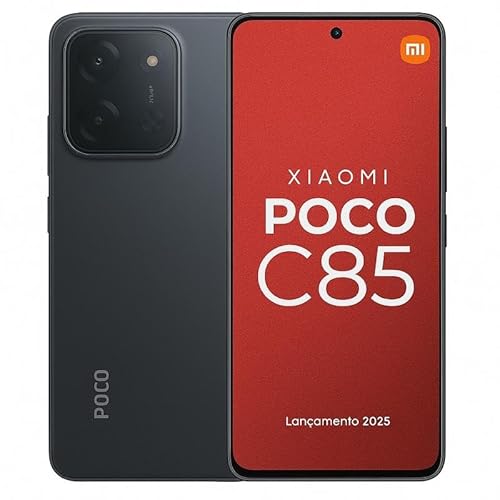
In the global smartphone market, Xiaomi has long occupied a strategic middle ground, offering a bridge between high-end hardware aspirations and the practicalities of a budget-conscious consumer base. Recent listings on Amazon Brazil underscore this position, highlighting a trend where features once reserved for flagship devices—specifically 8GB of RAM and 256GB of internal storage—are becoming the new baseline for the entry-level segment.
The Poco C85 illustrates a shift in how utility is prioritized in budget hardware. By integrating NFC (Near Field Communication) into a competitively priced device, Xiaomi is positioning the smartphone as essential financial infrastructure. In a landscape where contactless payments have moved from a novelty to a standard urban requirement, the inclusion of such hardware in a value-oriented device reflects a pragmatic approach to product design.
Similarly, the Redmi 15C reflects the modern expectation for high-capacity storage and aesthetic variety. With its 256GB of storage and "Mint Green" finish, the device addresses the growing digital footprint of the average user, who now requires significant space for media and applications. Xiaomi’s strategy remains consistent: capturing the market by providing the essential architecture of contemporary digital life at a fraction of the traditional cost.
With reporting from Olhar Digital.
Source · Olhar Digital