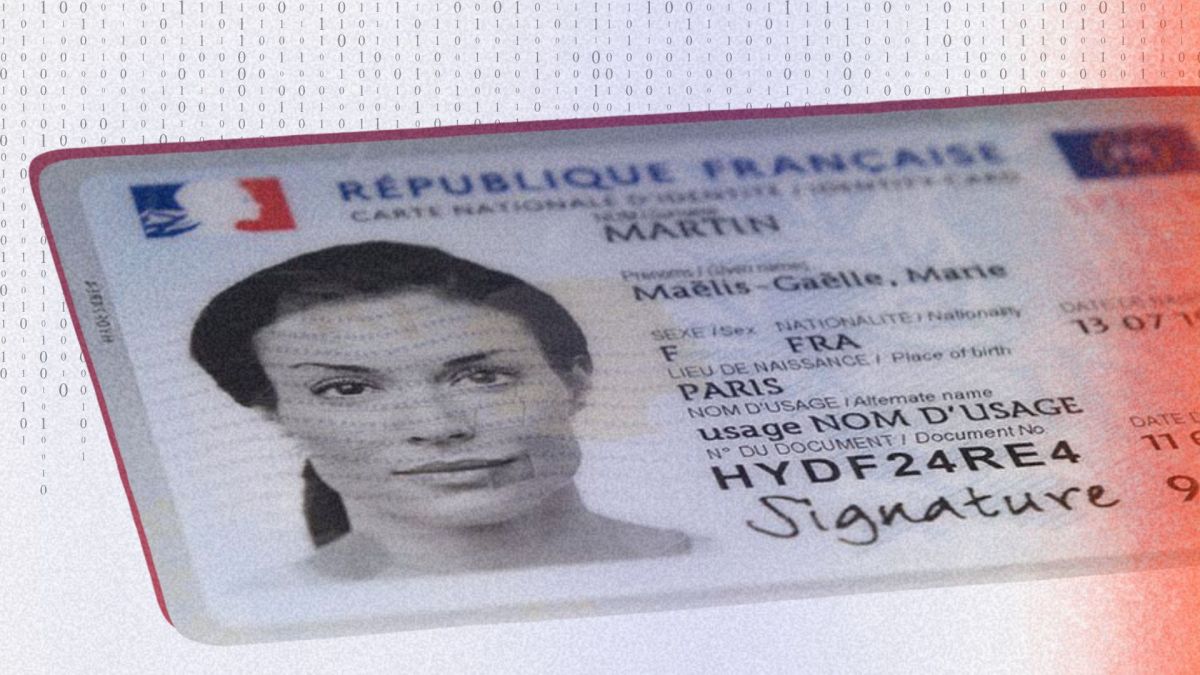
On April 20, 2026, France’s national agency for secure identity documents, ANTS (now known as France Titres), confirmed it had fallen victim to a significant cyberattack. The agency, which manages the issuance of everything from passports to driver’s licenses, sits at the administrative heart of the French state. While the Ministry of the Interior has moved quickly to reassure the public that the integrity of the physical documents themselves remains intact, the theft of the underlying personal data presents a more insidious threat.
The breach has released a cache of civil information that serves as the bedrock for identity verification. For citizens, the immediate risk is not the loss of a physical ID, but the weaponization of their personal details. Security analysts warn that the leaked data will likely fuel sophisticated phishing campaigns and identity theft operations, as bad actors leverage official information to bypass traditional security hurdles and gain the trust of unsuspecting targets.
This incident underscores a growing paradox in modern governance: the same centralization that makes state services more efficient also creates a single, high-value point of failure. As France Titres works to contain the fallout, the breach serves as a sober reminder that in the digital age, the most sensitive infrastructure is often the most invisible—and the most difficult to defend.
With reporting from Numerama.
Source · Numerama