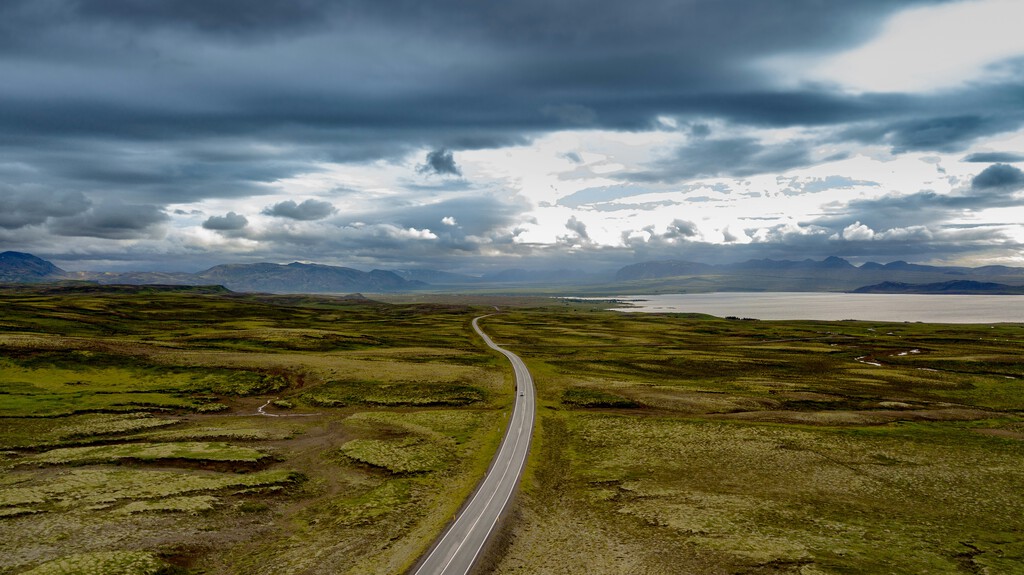
For centuries, Iceland was defined as much by what it lacked as what it possessed. Among its most envied absences was the mosquito. While the rest of the subarctic world grappled with seasonal swarms, Iceland’s volatile climate—characterized by rapid, unpredictable cycles of freezing and thawing—acted as a biological barrier. Larvae simply could not survive the erratic rhythm of the island’s winters, which frequently killed off any nascent populations before they could mature.
That ecological isolation has now come to an end. In the Kjós region, resident Björn Hjaltason recently noticed unfamiliar insects in his garden. Using a makeshift trap of ropes soaked in red wine, he captured three specimens that were later sent to the Icelandic Institute of Natural Sciences. There, entomologist Matthías Alfreðsson confirmed the presence of *Culiseta annulata*, a common European mosquito species that had never before managed to establish a foothold on the "island of ice and fire."
The breach is a testament to the dual forces of globalization and a warming North. Experts suggest the insects likely arrived as stowaways aboard cargo ships from mainland Europe, finding a landscape that is increasingly hospitable to their lifecycle. As the thermal buffer of the North Atlantic weakens, the "Icelandic exception" fades, marking another subtle but permanent shift in the planet’s shifting biomes.
With reporting from [Xataka].
Source · Xataka